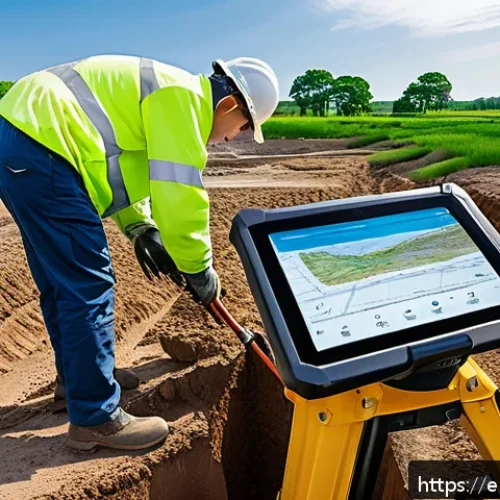
Ever wonder what truly lies beyond those impressive blueprints and bustling construction sites? When you hear “civil engineer,” your mind might instantly conjure images of grand bridges spanning rivers or the intricate dance of machinery shaping a new highway.
And while that’s absolutely a core part of the profession, I’m here to tell you that holding a civil engineering license unlocks a universe of possibilities far more expansive and dynamic than you might ever have imagined.
From meticulously crafting the resilient infrastructure that underpins our daily lives to pioneering innovative solutions for climate change adaptation and spearheading the development of our increasingly smart cities, this isn’t merely a career path; it’s an opportunity to actively build the future.
I’ve personally seen how this qualification can open doors to incredibly diverse and fulfilling roles, often blending traditional engineering prowess with cutting-edge technologies like advanced analytics, sustainable material science, and even AI-powered design.
It’s a field characterized by consistent demand, profound impact, and continuous innovation, offering a genuine chance to leave a lasting, tangible legacy on the world around us.
If you’re ready to explore a career that is both stable and incredibly forward-thinking, then you’ve absolutely landed in the perfect spot. Let’s truly dive in and uncover the astonishing array of opportunities a civil engineering license can empower you with.
Shaping the Skylines and Ground Beneath Our Feet

You know, when I first started out, I always pictured civil engineers as the folks who just built stuff. Big, grand structures, sure, but mostly just building. Oh, how naive I was! While laying the groundwork for our physical world is absolutely at the core of what we do, the depth and breadth of projects are truly astonishing. I’ve personally witnessed how a seemingly straightforward bridge project can involve everything from complex hydrological studies to intricate traffic flow modeling, all before the first foundation pile is even driven. It’s not just about erecting steel and pouring concrete; it’s about envisioning how people will interact with these spaces, how resilient they’ll be against the elements, and how they’ll contribute to the fabric of a community for decades, even centuries. Every single day, we’re making decisions that affect millions of lives, ensuring safety, efficiency, and sustainability in ways that most people never even consider. It’s a profound responsibility, but also an incredible privilege, to quite literally build the framework of our daily existence. There’s a real sense of pride that comes with driving over a bridge or walking through a bustling urban center and knowing you played a vital part in its creation.
The Art of Bridge Building and Road Weaving
Think about the sheer elegance of a suspension bridge or the seamless flow of a meticulously designed highway interchange. These aren’t just feats of brute force; they’re masterpieces of engineering, blending aesthetics with profound structural integrity. I remember working on a project that involved widening a major freeway near a metropolitan area, and the amount of coordination required was mind-boggling. We had to consider not only the structural elements of new lanes and overpasses but also the environmental impact, the geological stability of the ground, and the immense logistical challenge of keeping traffic moving during construction. It’s like a giant, real-world puzzle where every piece has to fit perfectly. You’re constantly balancing cost, safety, public convenience, and future growth, always with an eye toward making things better, smoother, and safer for everyone. The feeling when you see that final ribbon cut, or you’re one of the first to drive on a newly opened section, is just unbeatable.
Fortifying Our Foundations: Buildings and Urban Spaces
Beyond the arteries of transport, civil engineers are integral to the very buildings that house us, our workplaces, and our entertainment venues. From the towering skyscrapers that define our cityscapes to the critical infrastructure beneath our feet – think water mains, sewer systems, and storm drains – we ensure these structures are sound, safe, and sustainable. I recall a project involving the retrofitting of an older commercial building in a seismic zone. It wasn’t just about adding new beams; it was a deep dive into historical blueprints, material analysis, and advanced seismic modeling to understand exactly how the structure would behave under stress. We had to consider everything from the soil conditions to the type of glass in the windows. This kind of work is incredibly satisfying because you’re not just building something new; you’re preserving and enhancing existing spaces, ensuring they continue to serve communities safely and effectively. It’s a constant challenge that keeps you on your toes, always learning and adapting to new technologies and evolving safety standards.
Pioneers of a Greener Tomorrow
The role of a civil engineer has shifted dramatically over the past couple of decades. It’s no longer just about building bigger; it’s about building smarter, with a profound respect for our planet. When I started, sustainability was a buzzword, something nice to have. Now, it’s absolutely non-negotiable, a fundamental principle woven into every project we undertake. We’re on the front lines of addressing some of the most pressing environmental challenges of our time, from mitigating the effects of climate change to ensuring access to clean water and managing waste responsibly. It’s incredibly rewarding to know that the work you do is directly contributing to a healthier, more resilient future for everyone. There’s a palpable sense of urgency and innovation in this area, pushing us to explore cutting-edge materials and methodologies that would have seemed like science fiction just a few years ago. It really feels like we’re not just engineers, but environmental stewards.
Engineering Sustainable Solutions for Climate Change
Climate change isn’t some abstract concept to civil engineers; it’s a tangible force that dictates how we design and build. We’re involved in everything from developing coastal protection strategies against rising sea levels to designing stormwater management systems that can cope with increasingly extreme weather events. I’ve personally seen how devastating floods can be, and it truly drives home the importance of robust, resilient infrastructure. This means using permeable pavements to reduce runoff, constructing wetlands for natural water filtration, and even developing innovative materials that sequester carbon. It’s a constant push to find solutions that not only work but also minimize our environmental footprint. We’re not just reacting to problems; we’re actively working to future-proof our communities, integrating climate resilience into the very foundations of urban planning and infrastructure development. The satisfaction of knowing you’re contributing to a safer, more sustainable environment is immense.
Crafting Eco-Friendly Water and Waste Systems
Access to clean, safe water is a fundamental human right, and civil engineers are absolutely critical in making that a reality. We design the intricate networks that bring potable water to our homes and businesses, as well as the advanced treatment facilities that clean wastewater before it’s returned to the environment. I once visited a state-of-the-art wastewater treatment plant, and it was mind-blowing to see the complex biological and chemical processes at work, transforming contaminated water into something safe and reusable. Beyond water, we’re also innovating in waste management, moving beyond simple landfills to designing waste-to-energy plants and developing strategies for resource recovery. It’s about creating circular economies where waste is minimized, and resources are maximized. This work, though often out of sight, is profoundly impactful, directly influencing public health and environmental quality. It’s a testament to how our profession directly contributes to the well-being of entire populations.
The Digital Frontier: Smart Cities and Advanced Analytics
If you think civil engineering is all about hard hats and muddy boots, you’re missing a huge, exciting piece of the puzzle! The digital revolution has utterly transformed our field, pushing us into the realms of smart cities, advanced data analytics, and even artificial intelligence. It’s no longer enough to just build; we have to build intelligently, creating infrastructure that can communicate, adapt, and learn. I’ve personally been involved in projects where we’ve used predictive modeling to anticipate traffic bottlenecks or deployed sensor networks to monitor the structural integrity of bridges in real-time. This blend of traditional engineering principles with cutting-edge technology is incredibly stimulating. It means our designs are more efficient, our structures are safer, and our cities are becoming more responsive to the needs of their inhabitants. It’s a thrilling time to be a civil engineer, especially if you have a knack for combining the physical with the digital.
Designing the Interconnected Urban Fabric
Imagine cities where traffic lights adapt to real-time flow, where public transport knows exactly when and where to deploy extra vehicles, and where energy consumption is optimized block by block. This isn’t science fiction; it’s the reality that civil engineers are actively building. We’re designing the underlying physical and digital infrastructure for these “smart cities.” This involves everything from integrating fiber optic networks into new developments to planning for autonomous vehicle corridors. I worked on a proposal for a new urban district that incorporated smart street lighting, intelligent waste collection systems, and even sensors embedded in sidewalks to monitor pedestrian flow. It’s about creating a seamless, intuitive urban experience. This requires a deep understanding of urban planning, civil systems, and information technology, making it a truly interdisciplinary endeavor. The feeling of contributing to a city that genuinely feels alive and responsive to its people is incredibly motivating.
Leveraging Data for Smarter Infrastructure Decisions
Data is the new gold, and in civil engineering, it’s becoming an indispensable tool. We’re using advanced analytics to gain unprecedented insights into how our infrastructure performs, where vulnerabilities lie, and how we can optimize operations. Think about using drone imagery combined with AI to detect micro-cracks in bridge decks before they become major issues, or employing machine learning to predict maintenance needs for road networks. In a recent project, we analyzed years of traffic data to redesign an intersection, significantly improving safety and reducing congestion. The results were dramatic! This data-driven approach allows us to make more informed decisions, allocate resources more effectively, and ultimately build more resilient and efficient systems. It’s a game-changer, transforming our reactive maintenance approach into a proactive, predictive strategy. For anyone who loves solving complex problems with tangible results, this is an incredibly exciting area.
Navigating the Complexities of Project Leadership
While the technical aspects are undeniably exciting, many civil engineers, myself included, find immense satisfaction in moving into project leadership and management roles. It’s where you truly get to orchestrate the grand vision, bringing together diverse teams, managing budgets that can reach into the hundreds of millions (or even billions!) of dollars, and ensuring that complex projects stay on track, on time, and within scope. It’s a completely different kind of challenge, moving from designing a beam to designing an entire project’s workflow, but it’s incredibly rewarding. I’ve found that my deep understanding of the engineering principles actually makes me a more effective leader, as I can anticipate technical hurdles and communicate effectively with every specialist on the team. It’s about leadership, communication, and a strategic vision, all built on a solid foundation of engineering expertise.
Beyond Blueprints: Orchestrating Large-Scale Developments
Becoming a project manager in civil engineering means stepping back from the detailed calculations and embracing the bigger picture. You’re the conductor of a massive orchestra, with hundreds of different instruments playing their part. This involves everything from negotiating contracts with suppliers, managing vast teams of engineers, contractors, and subcontractors, to navigating complex regulatory environments and engaging with local communities. I remember overseeing a major airport expansion project, and the sheer scale of it was breathtaking. We had to coordinate with air traffic control, environmental agencies, local businesses, and even international airlines. It’s a high-stakes role where your decisions can have monumental impacts, but the satisfaction of seeing a multi-year project successfully delivered, knowing you guided it every step of the way, is truly unparalleled. It’s an exercise in patience, problem-solving, and decisive leadership.
Guiding Clients Through Technical Landscapes
Another fascinating leadership path is moving into consultancy. Here, you leverage your deep technical expertise to advise clients – from private developers to government agencies – on their most challenging infrastructure projects. You might be conducting feasibility studies, performing risk assessments, or providing expert testimony. I’ve consulted on projects ranging from assessing the structural integrity of historic buildings to advising on the best flood protection measures for a new development. It requires not only a strong technical background but also exceptional communication skills to translate complex engineering concepts into understandable terms for non-engineers. You become a trusted advisor, helping clients navigate the often-daunting technical and regulatory landscapes. The variety of challenges is constant, and you’re always learning, which for a curious mind like mine, is absolutely fantastic.
Global Impact: From Local Projects to International Endeavors

What’s truly incredible about a civil engineering license is its universal applicability. While local projects are often the bread and butter, the skills you develop are in demand literally everywhere on the globe. I’ve had colleagues work on everything from humanitarian aid projects in developing nations to cutting-edge infrastructure in bustling Asian megacities. The challenges might be different – adapting to local materials, cultural norms, or extreme climates – but the fundamental principles of design, safety, and functionality remain constant. This global reach means your career isn’t bound by geographical limits. If you have a passion for travel, cultural exchange, or simply making a difference on a larger scale, civil engineering can absolutely open those doors. It’s an opportunity to learn from different approaches and bring your expertise to where it’s most needed, truly impacting lives across borders.
Contributing to Resilient Communities Worldwide
The need for robust infrastructure isn’t confined to any single country; it’s a global imperative. Civil engineers play a crucial role in building resilient communities, especially in regions prone to natural disasters or undergoing rapid development. I know engineers who have worked with NGOs to design earthquake-resistant housing in Nepal or developed sustainable water systems in drought-stricken areas of Africa. These projects often come with unique challenges, like limited resources, difficult terrain, or a lack of existing infrastructure, which pushes you to innovate and adapt. It’s not always about the flashy mega-projects; sometimes, the most impactful work is the simplest, ensuring basic necessities and safety for vulnerable populations. The personal stories I’ve heard from friends who have done this kind of work are truly inspiring, highlighting the profound human impact of our profession.
Addressing Global Challenges Through Engineering Expertise
From the global climate crisis to rapid urbanization, the world faces monumental challenges that civil engineers are uniquely positioned to address. We’re involved in international collaborations, sharing knowledge and developing best practices to tackle these issues on a grand scale. Consider the development of international standards for sustainable construction or the creation of global networks for disaster preparedness. This often involves working with diverse teams from different countries, navigating complex international regulations, and understanding the nuances of different economic and political landscapes. It’s a truly intellectually stimulating environment that requires a broad perspective and a willingness to engage with diverse viewpoints. The satisfaction of knowing you’re contributing to solutions for humanity’s biggest problems is a powerful motivator, pushing you to constantly learn and grow.
Lifelong Learning and Professional Growth
One of the things I absolutely adore about being a civil engineer is that it’s never static. The learning never really stops. New materials, new technologies, new regulations, new environmental challenges – the field is constantly evolving, which means we get to constantly evolve with it. If you’re someone who thrives on continuous learning and intellectual curiosity, this profession is absolutely perfect. It’s not just about earning continuing education units; it’s about genuinely staying at the forefront of innovation, whether that means delving into the latest in smart infrastructure design, specializing in resilient coastal engineering, or mastering advanced project management software. This commitment to growth ensures that your skills remain relevant and your career path remains dynamic and engaging, preventing any chance of getting stuck in a rut. It’s a career that actively encourages you to keep pushing your boundaries.
Specializing in Niche and Emerging Disciplines
Beyond the broad categories, civil engineering offers a plethora of niche specializations that allow you to really hone your expertise. Are you fascinated by geotechnical engineering, understanding the very ground beneath our feet? Or perhaps transportation engineering, optimizing the movement of people and goods? Then there’s structural engineering, water resources, environmental engineering, construction management, urban planning, coastal engineering, earthquake engineering, even forensic engineering investigating structural failures. And new fields are constantly emerging, driven by technological advancements and societal needs. For instance, the demand for experts in sustainable infrastructure or smart grid integration is soaring. I’ve seen colleagues pivot from general civil work to become highly sought-after specialists in areas like green building certifications or advanced hydrological modeling. This ability to specialize means you can truly carve out a unique professional identity and become an undisputed expert in your chosen domain.
The Continuous Journey of Professional Development
Maintaining a civil engineering license isn’t just a formality; it’s a commitment to ongoing professional development. This involves attending conferences, taking specialized courses, pursuing certifications, and engaging with professional organizations. These aren’t chores; they’re opportunities to network with peers, learn about groundbreaking research, and stay updated on the latest industry trends and best practices. I remember attending a workshop on advanced BIM (Building Information Modeling) techniques that completely transformed how I approached design visualization and coordination. It opened up a whole new world of possibilities for efficiency and collaboration. This continuous learning ensures that your skills remain sharp, your knowledge base is current, and you’re always ready to tackle the next big challenge. It also provides fantastic opportunities to expand your professional network and find new mentors and collaborators, enriching your career journey immensely.
The Entrepreneurial Spirit: Building Your Own Path
For those with a strong sense of independence and a burning desire to innovate, a civil engineering license isn’t just a gateway to a job; it’s a launchpad for entrepreneurship. I’ve seen so many talented engineers take their expertise and vision and turn it into successful businesses, ranging from small consulting firms to specialized construction companies and even tech startups focused on infrastructure solutions. It’s a truly exhilarating path, allowing you to not only shape the physical world but also to build your own enterprise, create jobs, and define your own culture. It takes courage, yes, and a whole lot of grit, but the freedom and potential for impact are immense. The foundational knowledge and problem-solving skills you gain as an engineer are incredibly valuable assets when you venture out on your own. It teaches you how to meticulously plan, manage risks, and execute complex projects, all of which are vital for a successful business.
From Engineer to Innovator: Starting Your Own Firm
Imagine having an idea for a more sustainable way to manage urban stormwater, or a new approach to designing resilient coastal defenses. With your civil engineering license and experience, you have the credibility and expertise to turn those ideas into a functioning business. Starting your own engineering firm allows you to set your own standards, pursue projects you’re passionate about, and build a team that shares your vision. I’ve known engineers who started with just a small home office and grew their firms into respected regional players, tackling significant public and private projects. It’s a journey of constant learning, from marketing and client acquisition to financial management and human resources. But the satisfaction of seeing your name on the door and building something from the ground up, with your principles and expertise at its core, is an incredibly powerful experience. It’s truly taking ownership of your professional destiny.
Freelancing and Consultancy: The Independent Expert
If the idea of full-scale business ownership feels daunting, freelancing or independent consulting offers a fantastic alternative. Many civil engineers choose this path after gaining significant experience, becoming highly specialized experts in areas like structural analysis, environmental impact assessments, or forensic engineering. You get to pick your projects, set your own hours (to a degree!), and work with a diverse range of clients without the overhead of running a large company. I’ve seen consultants brought in for everything from advising on high-profile legal cases involving construction defects to providing specialized design reviews for complex infrastructure projects. It requires strong self-discipline, excellent networking skills, and the ability to market your unique expertise. But for those who value flexibility and the opportunity to continuously engage with new challenges, it’s an incredibly fulfilling way to leverage your civil engineering background, often commanding premium rates for your specialized knowledge.
Here’s a quick glance at some of the exciting sectors where a civil engineering license truly shines:
| Sector | Key Responsibilities | Impact & Innovation |
|---|---|---|
| Transportation Engineering | Designing roads, bridges, railways, airports, and public transit systems. Optimizing traffic flow and safety. | Developing smart traffic systems, autonomous vehicle infrastructure, and sustainable transport solutions. |
| Structural Engineering | Designing the structural framework for buildings, bridges, and other large structures. Ensuring safety and stability. | Innovating with advanced materials, seismic resistance, and modular construction techniques. |
| Water Resources Engineering | Managing water supply, wastewater treatment, flood control, and irrigation systems. | Implementing eco-friendly water purification, smart leak detection, and climate-resilient flood management. |
| Environmental Engineering | Designing solutions for air and water pollution control, waste management, and public health. | Pioneering sustainable waste-to-energy systems, carbon capture technologies, and green infrastructure. |
| Geotechnical Engineering | Analyzing soil and rock mechanics to design foundations, retaining walls, and earthworks. | Utilizing advanced ground improvement techniques and geological modeling for challenging sites. |
| Construction Management | Overseeing construction projects from planning to completion, managing budget, schedule, and quality. | Adopting BIM (Building Information Modeling), drone surveillance, and AI for project optimization. |
글을 마치며
So, there you have it – a whirlwind tour through the incredible, often unseen, world of civil engineering. It’s truly more than just blueprints and concrete; it’s about shaping lives, fostering communities, and quite literally building the future beneath our feet and above our heads. I hope this deep dive has opened your eyes to the sheer scale of impact and the endless possibilities this dynamic field offers. From the smallest local project to grand global endeavors, the hands and minds of civil engineers are constantly at work, innovating and adapting to create a safer, more sustainable, and better-connected world for all of us. It’s a journey of continuous learning, profound responsibility, and immense satisfaction, and honestly, I wouldn’t trade it for anything in the world.
알아두면 쓸모 있는 정보
Want to dig a little deeper or perhaps even consider a career in this fascinating field? Here are a few things I’ve picked up along the way that might just come in handy:
1. Networking is Gold: Seriously, connect with other engineers. Join professional organizations like the ASCE (American Society of Civil Engineers) or your local chapters. These connections can open doors to mentorship, job opportunities, and invaluable insights that you simply won’t find in a textbook. I’ve seen firsthand how a casual conversation at an industry event turned into a game-changing partnership that shaped someone’s entire career trajectory, and it truly makes a difference.
2. Embrace Lifelong Learning: The field of civil engineering evolves at lightning speed, with new technologies, advanced materials, and sustainable practices emerging all the time. Don’t just get your degree and stop. Stay curious, take specialized workshops, pursue certifications in niche areas like Building Information Modeling (BIM) or advanced environmental impact assessment. It keeps your skills sharp, ensures you remain competitive, and truly makes your career journey exhilarating.
3. Think Beyond the Desk: While design and analysis are crucial, a true understanding of engineering often comes from visiting construction sites, seeing the physical challenges firsthand, and understanding the practical implications of your designs. Get your boots dirty, talk to the contractors and tradespeople, and observe the processes in action. This practical, real-world experience is incredibly valuable and really rounds out your engineering perspective, making you a much more effective problem-solver.
4. Soft Skills Are Non-Negotiable: Technical prowess is essential, but equally important are communication, teamwork, problem-solving, and leadership abilities. You’ll be working with diverse teams, clients, and community stakeholders. Being able to explain complex technical ideas clearly, negotiate effectively, and lead with empathy and vision will set you apart and accelerate your career faster than almost anything else. It’s about building bridges, both literally and figuratively.
5. Consider the Global Impact: Civil engineering challenges aren’t confined by national borders; they are global imperatives. Whether it’s designing resilient infrastructure in developing nations or leading climate resilience projects in coastal cities worldwide, your skills have universal value and are in high demand. Explore opportunities for international work or collaborations; it’s an incredible way to broaden your perspective, learn from diverse cultures, and make a truly profound difference on a much larger scale.
중요 사항 정리
To wrap things up, remember that civil engineering is a dynamic, profoundly impactful, and endlessly rewarding career path. It’s where innovation meets tangible results, shaping the very world we inhabit. We’ve explored how civil engineers are absolutely critical in constructing our vital transportation networks and shaping our modern urban spaces, all while acting as pioneers for sustainable solutions against the pressing challenges of climate change. Furthermore, the profession is leading the charge in smart city development through advanced analytics and cutting-edge technology. It offers significant leadership opportunities, from managing colossal infrastructure projects to providing expert consultancy, with a global reach that allows you to contribute to resilient communities worldwide. It also inherently demands and richly rewards lifelong learning, offering numerous specializations and even entrepreneurial avenues for those with vision and drive. Ultimately, it’s a career built on continuous problem-solving, collaborative effort, and a deep, unwavering commitment to public safety, quality of life, and environmental stewardship, continually evolving and offering fresh challenges for those passionate about building a better future for everyone.
Frequently Asked Questions (FAQ) 📖
Q: I’ve always thought civil engineers just built roads and buildings. What kind of other amazing things can I actually do with a civil engineering license that I might not be thinking of?
A: Oh, you are absolutely not alone there! So many people have that initial image, but let me tell you, that license is your golden ticket to a world far more diverse and impactful than just bridges and highways.
From my personal experience, and what I’ve observed countless times in the field, it’s truly astounding. You could find yourself diving deep into environmental engineering, for example, working on crucial water treatment systems, developing cutting-edge waste management solutions, or designing sustainable infrastructure to actively combat climate change – imagine crafting resilient coastal protections for vulnerable communities!
Or perhaps urban planning sparks your interest, where you’d be shaping the smart cities of tomorrow, optimizing intricate traffic flow with advanced AI, or seamlessly integrating beautiful green spaces into bustling metropolises to enhance quality of life.
Then there’s the exciting realm of project management, where you’re not just an engineer, but a dynamic leader, orchestrating incredibly complex developments from initial concept to successful completion.
You might even find yourself in forensic engineering, meticulously investigating structural failures to prevent future disasters, or working in public policy development, directly influencing how our communities grow, adapt, and thrive.
It’s truly about problem-solving on a grand, tangible scale, often blending your core engineering prowess with cutting-edge data analytics, innovative material science, and even a touch of behavioral psychology.
Honestly, the possibilities often feel limitless, and that’s precisely what makes this career so incredibly thrilling and profoundly rewarding.
Q: Is a civil engineering career truly stable in the long run, especially with all the new technologies like
A: I emerging? Will my skills remain relevant? A2: This is such a critical question, and one I hear quite often from aspiring engineers!
From my perspective, having watched the industry evolve and adapt over the years, a civil engineering license offers remarkable long-term stability and incredible adaptability.
Think about it: our world absolutely always needs infrastructure. We need safe drinking water, reliable transportation networks, resilient buildings, and innovative solutions for energy distribution and waste management.
These aren’t just “nice-to-haves”; they are truly fundamental to the functioning and progress of society. While new technologies like artificial intelligence, advanced analytics, and machine learning are certainly transforming how we approach our work, they don’t replace the fundamental, essential need for human engineers.
In fact, they enhance our capabilities! I’ve seen firsthand how engineers who embrace these powerful tools become even more valuable, utilizing AI to optimize intricate designs, predict maintenance needs with greater accuracy, and manage complex, multi-faceted projects far more efficiently.
Your core problem-solving abilities, critical thinking skills, and foundational design principles remain absolutely essential, and these new tools simply become powerful extensions of your expertise, allowing you to achieve even more.
The demand for civil engineers isn’t just consistent; it’s constantly evolving, and that’s where the unparalleled opportunities for continuous learning and profound professional growth truly shine.
It’s a fantastic, reassuring feeling to know you’re in a field that’s not just inherently stable, but also actively shaping the future.
Q: Okay, this sounds absolutely incredible! What’s the general pathway or the biggest hurdle to actually getting that civil engineering license?
A: That’s the spirit! It is incredible, and taking that first step is always the biggest and most exciting part of any journey. While the exact requirements can vary a bit depending on your specific state or country, the general pathway to becoming a licensed Professional Engineer (PE) in civil engineering typically follows a fairly standardized and exceptionally well-regarded process across the board.
First up, you’ll definitely need to earn an accredited engineering degree, usually a Bachelor’s, which meticulously lays down all that crucial foundational knowledge.
After successfully completing your degree, the journey usually involves passing the Fundamentals of Engineering (FE) exam. This is a big one, often taken while you’re still in college or right after graduation, and it rigorously certifies your fundamental engineering knowledge across various disciplines.
Then comes the absolutely crucial experience phase – typically around four years of supervised engineering work under a licensed PE. This is where you truly get your hands dirty, apply everything you’ve learned in real-world scenarios, and build that invaluable practical expertise.
Finally, you’ll tackle the Principles and Practice of Engineering (PE) exam in Civil Engineering, which is much more focused on discipline-specific knowledge and its practical application to complex engineering problems.
It’s undeniably a rigorous process, a true test of your dedication, perseverance, and expertise, but I can tell you from personal experience and seeing so many of my colleagues achieve it, earning that PE license is genuinely one of the most rewarding and impactful milestones in your entire career.
It profoundly opens up so many new doors and truly validates your professional standing in the engineering community. It’s a challenging journey, absolutely, but one hundred percent worth every ounce of effort for the lasting impact you can make on the world.