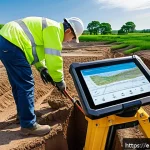
Alright, fellow infrastructure enthusiasts! You know, it feels like just yesterday we were talking about the fundamentals of structural analysis, and now?
The world of civil engineering is absolutely buzzing with innovation, pushing us to build not just bigger, but *smarter* and *greener*. If you’re anything like me, you’ve probably felt that exciting tremor of change, wondering how to best navigate this dynamic landscape and carve out a truly impactful career.
It’s no longer just about concrete and steel; it’s about sustainable solutions, smart cities, and leveraging cutting-edge tech like AI and BIM to create resilient infrastructure that truly serves our communities for generations to come.
The demand for civil engineers is incredibly strong, with projections showing healthy growth over the next decade as we tackle everything from upgrading aging national infrastructure to designing brand-new urban landscapes and renewable energy projects.
But here’s the kicker: simply having a degree isn’t enough anymore. Employers are actively seeking professionals who can adapt, innovate, and bring specialized skills to the table, whether that’s in environmental engineering, transportation systems, or even construction management where you can really make projects sing from planning to completion.
I’ve seen firsthand how a strategic approach can open up incredible doors, not just in traditional roles but also in exciting emerging areas like data analytics and smart infrastructure.
So, if you’re ready to really dig deep and uncover the specific strategies that will elevate your career in civil engineering’s most impactful fields, I’m here to tell you exactly what you need to know to thrive and truly make your mark.
Let’s explore it together!
Embracing the Digital Frontier in Civil Engineering
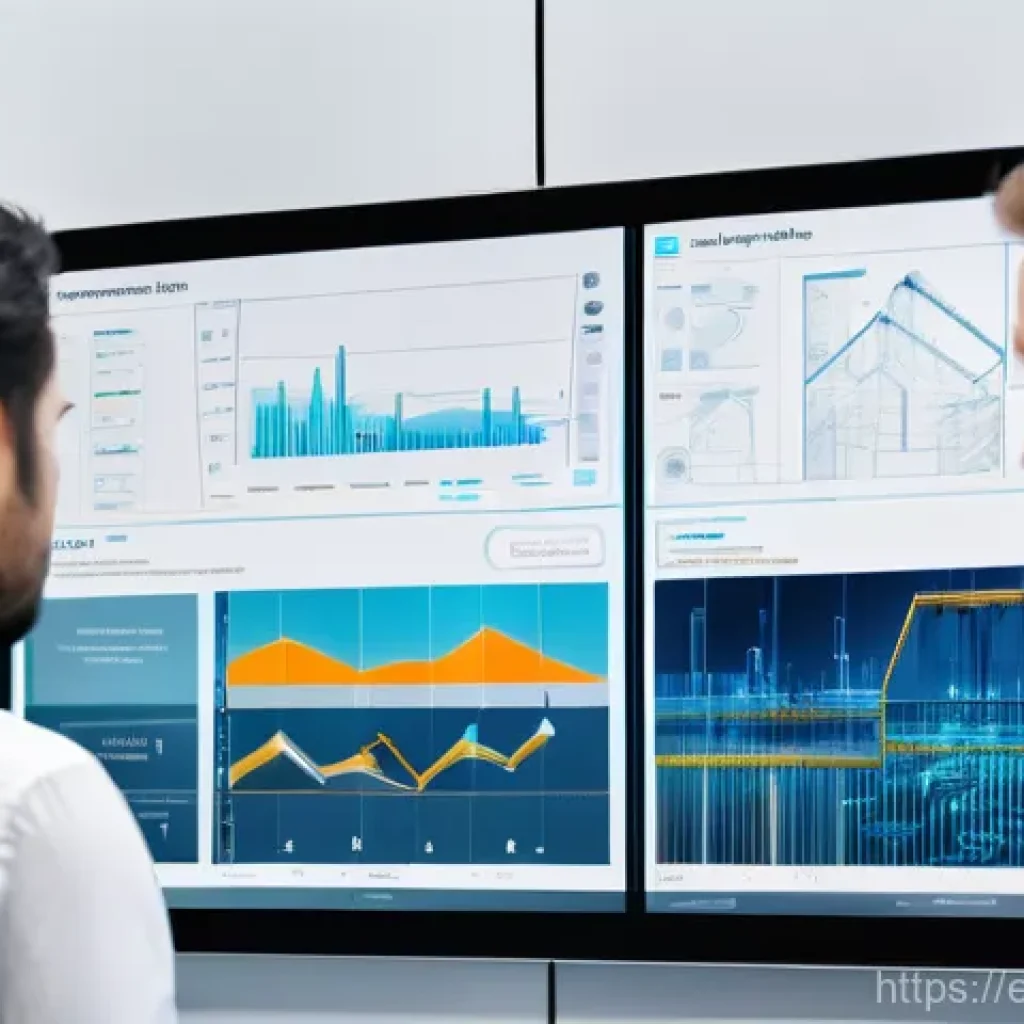
You know, it’s truly fascinating how much our field has evolved, even in just the last few years. It feels like every time I turn around, there’s a new piece of technology shaking things up, and honestly, it’s exhilarating!
For us civil engineers, diving headfirst into the digital transformation isn’t just an option anymore; it’s an absolute necessity if you want to stay ahead of the curve and genuinely make an impact.
I’ve personally seen how professionals who grasp Building Information Modeling (BIM) don’t just design structures, they bring entire projects to life in a way that’s collaborative, efficient, and significantly reduces costly errors down the line.
It’s not just a fancy 3D model; it’s a living, breathing digital twin of your project that streamlines everything from initial concept to facility management.
Beyond BIM, we’re seeing incredible breakthroughs with Artificial Intelligence (AI) and machine learning being used for predictive maintenance, optimizing traffic flow, and even simulating complex environmental impacts.
Trust me, understanding these tools isn’t about replacing our foundational engineering knowledge; it’s about amplifying our capabilities and allowing us to tackle challenges with unprecedented precision and foresight.
When I first started out, a good set of drafting skills was paramount, but now? Being fluent in digital tools like Revit, Civil 3D, and even programming languages like Python can open doors to opportunities you might not have even imagined a decade ago.
It really puts you in a position to lead, innovate, and essentially, engineer the future in a much more intelligent way.
Unlocking Opportunities with Building Information Modeling (BIM)
BIM isn’t just software; it’s a paradigm shift in how we approach design, construction, and operation. I’ve witnessed firsthand how teams leveraging BIM effectively can dramatically improve project coordination, clash detection, and overall cost predictability.
It moves us away from disjointed drawings and into an integrated, data-rich environment where every team member is working from the same precise model.
This level of collaboration significantly reduces rework, saves immense amounts of time, and ultimately delivers higher quality assets. If you’re looking to make yourself indispensable, mastering BIM software like Autodesk Revit, Bentley AECOsim, or even exploring advanced parametric design tools will put you in an elite category.
It’s about understanding the entire lifecycle of a project through a unified digital lens, allowing you to contribute not just to the design, but to the entire build and operational efficiency.
I genuinely believe that a deep understanding of BIM processes and methodologies is one of the most valuable assets any civil engineer can bring to the table today.
Leveraging AI and Data Analytics for Smarter Infrastructure
This is where things get truly exciting for me! The application of AI and data analytics in civil engineering is still relatively nascent, but the potential is absolutely massive.
Imagine using AI algorithms to predict structural fatigue in bridges before it becomes critical, or optimizing public transportation routes in real-time based on live data feeds.
We’re moving into an era where sensors embedded in infrastructure collect vast amounts of data, and knowing how to interpret, analyze, and apply that data through machine learning models is becoming an incredibly sought-after skill.
I’ve seen projects where drone data, combined with AI, has dramatically sped up site surveys and construction progress monitoring. Learning the fundamentals of data science, perhaps even a bit of Python or R for statistical analysis, isn’t just for tech gurus anymore; it’s becoming a powerful tool for engineers to design more resilient, efficient, and responsive infrastructure.
Being able to extract meaningful insights from big data sets isn’t just cool; it’s how we’ll solve some of the most complex urban and environmental challenges of our time.
Building a Sustainable Legacy: The Green Engineering Movement
If there’s one area that truly ignites my passion, it’s sustainable engineering. We’re living in a time where the impact of our infrastructure on the planet is undeniably clear, and honestly, it feels incredibly rewarding to be part of the solution.
The shift towards greener, more resilient infrastructure isn’t just a trend; it’s a fundamental change in our professional ethos. Gone are the days when environmental considerations were an afterthought; now, they’re integrated into every stage of a project, from initial concept to demolition.
I’ve personally been involved in projects where prioritizing sustainable materials and construction methods didn’t just reduce the environmental footprint, but also led to long-term cost savings for the client through reduced energy consumption and increased durability.
It’s a win-win scenario, and employers are actively seeking engineers who can bring this forward-thinking mindset to the table. Understanding concepts like life-cycle assessment, renewable energy integration in buildings, and designing for climate change resilience will make you an invaluable asset.
This isn’t just about ticking boxes; it’s about genuinely creating infrastructure that respects our planet and serves communities for generations to come, something I find incredibly fulfilling.
Designing for Climate Change Resilience and Adaptation
It’s no secret that our world is facing increasingly unpredictable weather patterns and environmental shifts. From rising sea levels impacting coastal communities to more frequent extreme weather events, the need for infrastructure that can withstand these forces is paramount.
I’ve worked on projects where we meticulously analyzed historical climate data and future projections to design systems that can adapt and endure. This involves everything from developing robust stormwater management systems to designing flood-resistant foundations and exploring innovative materials that can withstand harsher conditions.
Being able to assess risks, implement adaptive strategies, and think proactively about long-term environmental impacts is a critical skill. It’s about building structures and systems that aren’t just strong, but are smart enough to flex and recover from whatever nature throws their way.
This area isn’t just about technical drawings; it’s about critical thinking, foresight, and a deep understanding of environmental science.
Integrating Renewable Energy and Green Materials
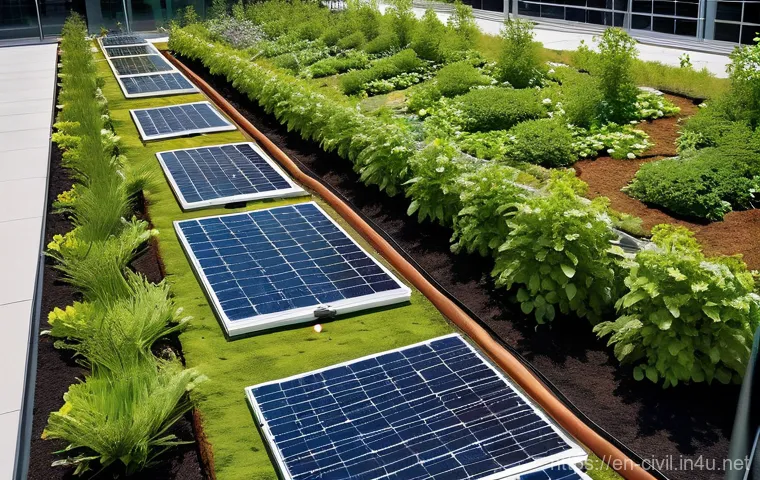
The push for net-zero construction and renewable energy solutions is creating exciting avenues for civil engineers. Imagine designing a building that generates more energy than it consumes, or a bridge that incorporates solar panels to power its lighting.
These aren’t futuristic pipe dreams; they’re happening right now! My own experience has shown me the incredible satisfaction of specifying sustainable materials like recycled concrete, low-carbon steel, or even innovative bio-based composites that have a significantly reduced environmental impact.
Understanding energy efficiency principles, the basics of solar or wind power integration, and how to source and apply sustainable materials will position you at the forefront of this movement.
It’s about bringing a holistic approach to design, where every material choice and energy system contributes to a healthier planet. This field is constantly innovating, so staying curious and keeping up with the latest advancements in green technology is key.
Mastering Specialized Niches: Beyond the Generalist
Honestly, when I first started in civil engineering, I thought it was all just about buildings and roads. But the longer I’ve been in this field, the more I realize the incredible breadth and depth of specialization available.
While a strong foundational knowledge is crucial, honing in on a specific niche can truly differentiate you and open up some incredibly rewarding career paths.
I’ve seen peers who’ve become absolute experts in areas like traffic modeling, geotechnical investigations, or even water resource management, and they’re highly sought after because of their focused expertise.
It’s about finding what genuinely excites you and then diving deep to become a true authority. Think about it: a general practitioner is great, but when you need specific advice, you go to a specialist, right?
The same applies in engineering. Employers are increasingly looking for individuals who can tackle very specific, complex problems, and that’s where your specialized knowledge truly shines.
It gives you a competitive edge and allows you to command higher compensation because you’re offering something truly unique.
Navigating the Complexities of Transportation Systems
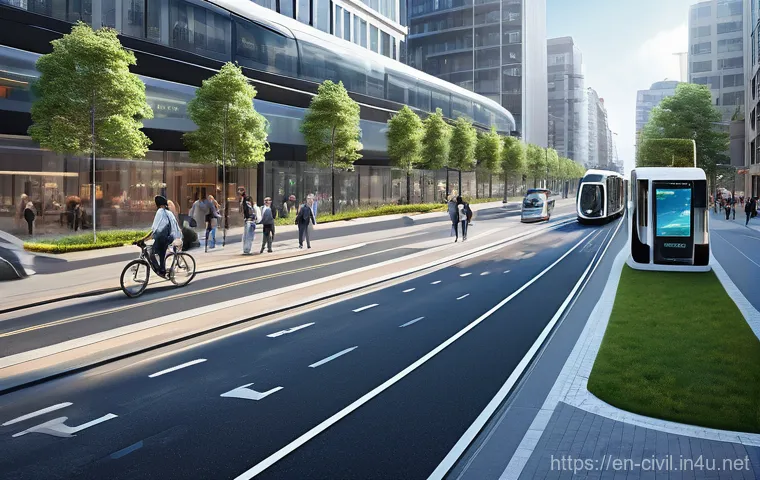
For me, there’s something incredibly satisfying about understanding how people and goods move through a city. Transportation engineering is far more than just designing roads; it encompasses everything from intelligent traffic systems and public transit networks to pedestrian walkways and cycling infrastructure.
I’ve had the chance to work on projects that directly impact how thousands of people commute daily, and that sense of immediate, tangible contribution is immense.
This specialization requires a keen eye for detail, strong analytical skills, and often, an understanding of urban planning principles. With the advent of autonomous vehicles and smart city initiatives, this field is undergoing a massive transformation, creating exciting new challenges and opportunities for engineers who are ready to innovate.
If you’re passionate about alleviating congestion, promoting sustainable mobility, and designing the arteries of our communities, this is a fantastic path.
Diving Deep into Structural and Geotechnical Engineering
If you’re anything like me, you probably find immense satisfaction in understanding how things stand up, and more importantly, how to make sure they *stay* up!
Structural engineering is about ensuring the safety and integrity of buildings, bridges, and other structures against various loads and environmental forces.
It’s a field where precision, meticulous calculations, and a deep understanding of materials are absolutely paramount. On the other hand, geotechnical engineering focuses on the behavior of earth materials and how they interact with our structures.
I’ve seen countless projects where a thorough geotechnical investigation was the make-or-break factor for success. These two fields often go hand-in-hand, requiring a strong grasp of physics, mechanics, and material science.
It’s incredibly rewarding to know that the foundations you design or the structural systems you analyze are literally supporting the fabric of our built environment.
Cultivating a Growth Mindset: Lifelong Learning is Your Superpower
Look, I’m going to be completely honest with you: the day you stop learning in civil engineering is the day you start falling behind. Our field is just too dynamic, too innovative, to ever think you know it all.
I’ve always found that the most successful and impactful engineers are the ones who treat their career as a continuous journey of learning and self-improvement.
It’s not just about earning that initial degree; it’s about relentlessly pursuing new knowledge, adapting to emerging technologies, and constantly refining your skillset.
I’ve seen engineers who, despite years of experience, eagerly embrace new software or pursue specialized certifications, and they are always the ones leading the most exciting projects and having the greatest influence.
This isn’t just about staying relevant; it’s about pushing your own boundaries, discovering new passions, and unlocking your full potential.
The Value of Advanced Degrees and Professional Certifications
For a long time, I debated whether to pursue a master’s degree. I eventually did, and let me tell you, it was one of the best decisions I ever made. An advanced degree can provide a deeper theoretical foundation, expose you to cutting-edge research, and often open doors to more specialized or leadership roles.
But it’s not just about degrees. Professional certifications, like becoming a Project Management Professional (PMP) or earning specific software proficiencies, can be incredibly powerful.
I’ve seen PMP-certified engineers take charge of complex, multi-million dollar projects with a level of confidence and competence that’s truly inspiring.
These certifications demonstrate a commitment to excellence and a verified level of expertise that employers absolutely value. They show you’re not just knowledgeable, but you’re serious about your craft.
Staying Ahead with Continuous Skill Acquisition
Beyond formal education, it’s the everyday commitment to learning that truly makes a difference. I’m talking about things like attending industry workshops, devouring technical journals, or even just dedicating an hour a week to learning a new feature in your CAD software.
I’ve personally found incredible value in online courses from platforms like Coursera or edX, which offer specialized knowledge in areas from GIS to advanced structural analysis.
The key is to be proactive. Don’t wait for your company to send you to training; take the initiative yourself. The engineering landscape is constantly shifting, with new materials, methodologies, and digital tools emerging all the time.
Being adaptable and always eager to pick up new skills isn’t just a nice-to-have; it’s a crucial differentiator that will keep your career trajectory pointing upwards, always.
Building Your Brand: Networking and Personal Development
You know, I used to think that being a great engineer was all about crunching numbers and designing perfect structures in isolation. Boy, was I wrong!
While technical prowess is absolutely essential, I’ve learned firsthand that building a strong personal brand and a robust professional network are equally, if not more, critical for long-term career success.
It’s not just about getting a job; it’s about creating opportunities, finding mentors, and becoming a recognized voice in your field. I’ve seen how a well-maintained LinkedIn profile can act as a powerful resume, connecting you with industry leaders and potential collaborators.
Going to industry conferences, even if it feels a little awkward at first, can be a game-changer. These events aren’t just for collecting business cards; they’re about engaging in meaningful conversations, sharing insights, and genuinely connecting with people who share your passion.
| Skill Area | Key Competencies | Impact on Career |
|---|---|---|
| Digital Fluency (BIM, CAD) | 3D Modeling, Data Management, Collaboration Tools | Enhanced Efficiency, Project Leadership Opportunities |
| Sustainable Design | Life-Cycle Assessment, Renewable Energy Integration | High Demand, Environmentally Conscious Project Roles |
| Data Analytics | Statistical Analysis, Predictive Modeling, Visualization | Innovative Problem Solving, Smart Infrastructure Development |
| Project Management | Budgeting, Scheduling, Risk Management, Leadership | Leadership Roles, Improved Project Delivery |
| Communication (Technical & Soft) | Report Writing, Presentations, Negotiation, Teamwork | Influencing Stakeholders, Career Advancement |
Mastering the Art of Professional Networking
I can’t stress this enough: your network is your net worth. Seriously! I remember being a young engineer, a bit shy, and thinking networking was just for sales folks.
But over the years, I’ve realized it’s about building genuine relationships. Attending local chapter meetings of organizations like the American Society of Civil Engineers (ASCE) or the Institution of Civil Engineers (ICE) isn’t just about showing up; it’s about actively participating, offering your insights, and asking thoughtful questions.
Don’t be afraid to reach out to people you admire on LinkedIn for an informational interview. You’d be surprised how willing people are to share their experiences.
I’ve personally gained invaluable advice, mentorship, and even unexpected job opportunities simply by putting myself out there and connecting with others.
These connections become your sounding board, your support system, and often, your pathway to incredible new ventures.
Crafting Your Unique Professional Brand
Think of your professional brand as your reputation, but proactive and strategic. What do you want to be known for? Are you the go-to person for sustainable concrete solutions?
The expert in urban transportation planning? It’s about more than just your resume; it’s about the consistent message you project through your online presence, your interactions, and your contributions to the field.
I’ve seen engineers create compelling personal websites, write insightful articles for industry blogs, or even present at local conferences. These activities not only solidify your expertise but also expand your reach and visibility.
It’s an ongoing process of showcasing your unique skills, experiences, and perspectives. When you consistently demonstrate value and expertise, you essentially become a magnet for exciting opportunities, rather than just passively waiting for them.
It’s a powerful feeling to know your reputation precedes you, in the best possible way.
Understanding the Business Acumen: Beyond Blueprints
Okay, let’s be real for a moment. As engineers, we’re naturally drawn to the technical side of things – the calculations, the designs, the sheer elegance of a well-executed structural plan.
But here’s something I’ve learned the hard way: if you want to truly climb the ladder and make a significant impact, you *must* understand the business side of our industry.
It’s not enough to be technically brilliant; you need to grasp project economics, risk management, and client relations. I’ve seen incredibly talented engineers struggle because they couldn’t effectively communicate the financial implications of their designs or manage a project budget.
This isn’t just about becoming a manager; it’s about being a well-rounded professional who understands that every engineering decision has business ramifications.
Learning about contracts, bids, and even the nuances of legal liability can make you an indispensable asset to any firm. It elevates you from a technical contributor to a strategic partner, and honestly, that’s where the most fulfilling challenges often lie.
Mastering Project Management and Cost Control
If you’ve ever been part of a large-scale project, you’ll know that chaos is always just around the corner if it’s not managed meticulously. That’s where project management skills come in.
I’ve had the privilege of working under some truly exceptional project managers, and what I learned from them goes beyond any textbook. It’s about leadership, communication, negotiation, and an uncanny ability to keep things on track, on time, and within budget.
Understanding critical path analysis, resource allocation, and how to effectively mitigate risks are skills that will serve you no matter what your specific engineering role is.
And when it comes to cost control? That’s where the rubber meets the road for many clients. Being able to provide accurate estimates, track expenditures, and find value engineering solutions that don’t compromise quality is a highly valued skill.
It shows you’re not just building something; you’re building it smart and efficiently.
Navigating Contracts, Bids, and Client Relationships
This is an area where many engineers, myself included early in my career, felt a bit out of our depth. But truthfully, understanding contracts and the bidding process is absolutely crucial for anyone wanting to advance.
How do firms win projects? What are the legal implications of different contract types? I’ve seen projects go sideways simply because of misunderstandings or overlooked clauses in a contract.
Beyond that, nurturing strong client relationships is paramount. It’s not just about delivering a product; it’s about understanding their needs, communicating effectively, and building trust.
Repeat business and positive referrals often stem from excellent client relations, and as an engineer, being able to contribute to that positive interaction is incredibly valuable.
It’s about seeing the bigger picture of how our technical work translates into successful partnerships and profitable ventures.
Embracing Global Opportunities and Diverse Perspectives
You know, one of the most eye-opening experiences I’ve had in my career was working on an international project. It truly broadened my horizons in ways I never anticipated.
The world of civil engineering isn’t confined to national borders anymore; it’s a global tapestry of innovation, challenges, and diverse approaches. I’ve seen how working with teams from different cultural backgrounds can bring fresh perspectives to problem-solving and lead to incredibly creative solutions that might not have emerged otherwise.
The demand for civil engineers in developing nations, or on large-scale multinational projects, is immense. If you have an adventurous spirit and an openness to different cultures and ways of doing things, pursuing international opportunities can be an incredibly enriching and career-defining move.
It’s not just about seeing the world; it’s about becoming a more adaptable, culturally intelligent, and well-rounded engineer.
Working on International Projects and Cross-Cultural Teams
Venturing into international projects is a fantastic way to accelerate your career and gain a truly unique skill set. I’ve personally found that navigating different regulatory environments, construction standards, and even communication styles across cultures forces you to think more creatively and adapt quickly.
It’s a steep learning curve, but incredibly rewarding. Imagine contributing to infrastructure development in a rapidly growing economy, or collaborating with engineers from various countries on a complex environmental initiative.
These experiences not only bolster your technical expertise but also significantly enhance your soft skills – your ability to negotiate, lead diverse teams, and communicate across cultural divides.
These are invaluable attributes that employers are increasingly seeking in today’s interconnected global market. It truly makes you a more versatile and empathetic professional.
Cultivating Cultural Competence and Global Awareness
Beyond simply working abroad, it’s about developing genuine cultural competence. This means understanding and respecting different customs, communication norms, and professional etiquette.
I’ve learned that what might be perfectly acceptable in one country could be considered disrespectful in another, and being aware of these nuances is absolutely critical for successful collaboration.
Reading about global affairs, traveling with an open mind, and even learning a new language can significantly enhance your ability to connect with people from diverse backgrounds.
This isn’t just a feel-good skill; it directly impacts project success. When teams understand and respect each other’s cultural contexts, communication flows more smoothly, trust is built more easily, and projects run more efficiently.
It’s about becoming a global citizen as well as a global engineer, and honestly, it enriches your life in so many ways beyond just your career.
Concluding Thoughts
Whew! It’s been an incredible journey exploring the dynamic landscape of civil engineering together. Honestly, what truly excites me is seeing how our field is constantly evolving, pushing the boundaries of what’s possible, and making a real difference in the world. From the digital tools that streamline our design processes to the sustainable practices that protect our planet, and the global collaborations that broaden our horizons, there’s never a dull moment. I genuinely believe that by embracing a mindset of continuous learning, seeking out specialization, and actively building our professional networks, we’re not just adapting to change – we’re leading it. This isn’t just a job; it’s a profound opportunity to shape the future, one intelligent, sustainable, and impactful project at a time. Keep that curiosity alive, keep pushing your limits, and let’s engineer a better tomorrow together.
Useful Information to Know
1. Digital Proficiency is Key: Seriously, if you’re not comfortable with BIM, CAD, and exploring data analytics tools, start learning now. These aren’t just buzzwords; they’re the foundational languages of modern engineering projects and will drastically enhance your efficiency and career prospects.
2. Sustainability Sells (and Saves!): Employers are actively seeking engineers who can design with the environment in mind. Understanding life-cycle assessments, green materials, and renewable energy integration isn’t just about being eco-conscious; it’s about adding significant value to projects and standing out in the job market.
3. Specialize to Excel: While a broad understanding is good, truly mastering a niche area like transportation systems, geotechnical engineering, or water resources will make you an indispensable expert. Find what truly captivates you and dive deep into it; that’s where your unique impact lies.
4. Never Stop Learning: The pace of innovation in civil engineering is breathtaking. Dedicate time each week to professional development, whether it’s through online courses, industry webinars, or pursuing certifications. Your intellectual curiosity is your greatest asset in this ever-changing field.
5. Network Your Way to Success: Technical skills are paramount, but building genuine relationships with peers, mentors, and industry leaders is equally crucial. Attend conferences, join professional organizations, and engage online. Your network is a powerful catalyst for opportunities and growth.
Key Takeaways
The civil engineering profession is undergoing a profound transformation, driven by digital innovation, a critical focus on sustainability, and an increasing demand for specialized expertise. To thrive in this dynamic environment, it’s essential for engineers to continuously upgrade their digital skills, with proficiency in tools like BIM and an understanding of AI and data analytics becoming non-negotiable. Embracing sustainable design principles and contributing to climate-resilient infrastructure are not just ethical imperatives but also significant career differentiators. Beyond technical prowess, cultivating a growth mindset, pursuing lifelong learning, and actively building a professional network are vital for long-term career success and leadership. Furthermore, developing strong business acumen, including project management and an understanding of contracts, will elevate engineers from technical contributors to strategic partners. Finally, being open to global opportunities and diverse perspectives will not only broaden one’s professional horizons but also enrich personal growth, leading to a more adaptable and culturally intelligent engineering practice.
Frequently Asked Questions (FAQ) 📖
Q: What specific skills or areas of specialization should I focus on to truly stand out and make a significant impact in today’s incredibly dynamic civil engineering landscape?
A: Oh, this is such a fantastic question, and one I get asked a lot! From where I’m standing, having walked this path for quite a while, it’s clear that while a solid foundation in core civil engineering principles is non-negotiable, the real game-changers now are adaptability and a keen eye for specialization.
If you want to genuinely stand out, I’d say really dig deep into areas like sustainable infrastructure design, which goes beyond just “green” and looks at long-term resilience and ecological harmony.
Think about becoming a wizard in digital tools – mastering Building Information Modeling (BIM) is practically a superpower, and understanding data analytics for infrastructure performance and predictive maintenance is becoming incredibly valuable.
I’ve personally seen how professionals who can seamlessly integrate technology like AI into their planning and design processes are snapped up. Environmental engineering, particularly in water resource management or renewable energy project development, is another absolutely booming field.
It’s not just about building, it’s about building responsibly and intelligently. And don’t forget project management! Being able to lead and coordinate complex projects, keeping them on time and within budget, is a skill that will always, always be in demand and truly lets you shine.
Q: With all this talk about
A: I, BIM, and smart cities, how can I effectively keep my skills sharp and relevant as technology continues to evolve so quickly in civil engineering? A2: You’ve hit on one of the biggest challenges and opportunities we face today!
It honestly feels like just yesterday I was grappling with new software updates, and now it’s a whole new paradigm. My advice? Embrace continuous learning with open arms.
Think of your career not as a destination, but as an ongoing journey of skill acquisition. I’ve found that taking specialized online courses or certifications in areas like advanced BIM applications, Geographic Information Systems (GIS), or even a foundational understanding of data science can give you a huge leg up.
Look for programs offered by reputable universities or professional bodies; they often have cutting-edge content. Attending industry webinars and conferences, even virtual ones, is brilliant for staying current and networking with people who are at the forefront of innovation.
And seriously, don’t underestimate the power of networking! Connecting with peers and mentors can provide invaluable insights into emerging trends and even new software you might want to explore.
Stay curious, experiment with new tools, and always be on the lookout for how technology can solve real-world engineering problems – that mindset alone will keep you incredibly relevant.
Q: I’m looking for a career that’s more than just traditional design work. What are some of the most impactful and emerging career paths in civil engineering right now where I can truly make a difference?
A: I totally get that feeling! Many of us in civil engineering are driven by a desire to leave a tangible, positive mark on the world, and there are so many exciting avenues beyond the traditional drawing board.
One of the most impactful emerging paths I’ve seen is in Smart City development and urban planning. This involves integrating digital technologies to improve city services, infrastructure, and the overall quality of life for residents – it’s literally shaping the future of how we live.
Then there’s the burgeoning field of infrastructure data analytics, where you’re not just designing structures, but analyzing vast datasets to optimize performance, predict maintenance needs, and inform policy decisions for existing infrastructure networks.
Think about working on projects involving autonomous vehicles and their infrastructure needs, or even designing resilient coastal defenses against climate change.
Construction technology management is another area gaining serious traction; it’s about leveraging new tech like drones, robotics, and advanced project management software to make construction sites safer, more efficient, and more sustainable.
I’ve seen so many colleagues pivot into these roles and find immense satisfaction in tackling complex challenges with innovative solutions. It’s about being a problem-solver on a grand scale, and that, to me, is incredibly rewarding.