7 Core Civil Engineering Secrets That Will Transform Your Career

webmaster

토목기사 강의에서 배우는 핵심 내용 - The Architects of Resilience: Modern Skyscraper Construction**
A detailed, vibrant image showcasing ...

Ever wondered what truly holds our world together? I remember when I first delved into civil engineering lectures, feeling this incredible thrill realizing that everything from the bridges we cross daily to the very foundations of our smart cities started right there, in those classrooms.

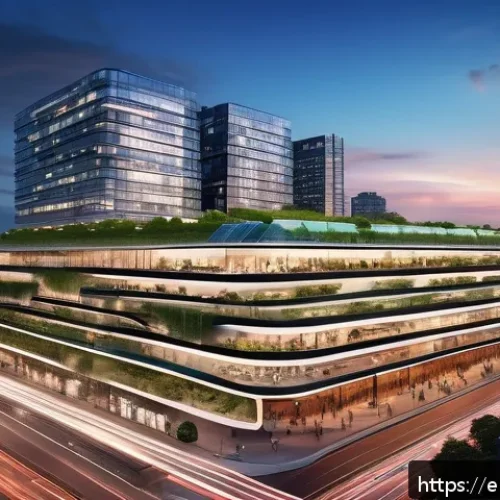
토목기사 강의에서 배우는 핵심 내용 관련 이미지 1

It’s not just about concrete and steel anymore; it’s about crafting resilient communities, designing sustainable infrastructure, and literally building the future.

The core concepts you learn in civil engineering aren’t just textbooks; they’re the blueprints for innovation, tackling global challenges like climate change and urbanization.

From understanding the physics of a skyscraper to mastering project management for a massive public transit system, these lectures equip you with the expertise to shape landscapes and lives.

If you’re anything like me, you’ll find it absolutely fascinating how we integrate cutting-edge technology, like AI for predictive maintenance or advanced materials for eco-friendly construction, into these foundational principles.

It’s a field constantly evolving, offering endless opportunities to make a tangible, lasting impact on the world around us. Let’s unpack the essential knowledge that truly forms the backbone of our built environment.

The Hidden Scaffolding: Unpacking the Essentials That Hold Our World Together

You know that feeling when you drive over a massive bridge or stand in awe of a towering skyscraper, and for a fleeting moment, you wonder, “How on earth does this thing stay up?” That’s exactly where civil engineering begins. It’s not just about the visible structures; it’s about an intricate dance of forces, materials, and brilliant design that creates the very bedrock of our existence. From the ground beneath our feet to the highest points of our cities, there’s a quiet, powerful engineering at play, ensuring everything remains stable, safe, and ready for whatever life throws at it. I remember in my early days, grappling with concepts like stress and strain, thinking it was all so theoretical. But then, seeing how these principles directly translated into the stability of a building, or the very ground we build upon, it suddenly clicked. It’s truly a marvel how we manipulate the earth and its resources to create such lasting monuments of human ingenuity. This isn’t just theory; it’s the very fabric of our modern world, invisible yet ever-present, supporting our daily lives in ways we often take for granted. Every time I see a new building rise, I can almost picture the structural engineers meticulously calculating every beam and column, ensuring its longevity.

Understanding the Ground Up: Geotechnical Wonders

If there’s one area of civil engineering that truly fascinates me, it’s geotechnical engineering. It’s literally about understanding the ground we stand on – and build on! Imagine trying to erect a massive apartment complex without knowing if the soil beneath it can even bear the weight. That’s where geotechnical engineers come in, acting like detectives of the earth. They analyze soil composition, rock mechanics, and groundwater conditions to determine the best foundation type, whether it’s deep piles for a skyscraper or a simple slab for a suburban home. I vividly recall a project where unexpected soil conditions meant a complete redesign of the foundation, delaying the project but ultimately ensuring its safety. It was a tough lesson, but it showed me just how critical this initial groundwork is. Without a solid understanding of the earth’s behavior, even the most beautifully designed structure is just a house of cards. They are the unsung heroes who ensure that everything we build has a reliable base, preventing future disasters and ensuring the integrity of our infrastructure from the very start. It’s a field that constantly reminds me of nature’s power and the necessity of respecting it in our designs.

The Bones of Our Buildings: Structural Engineering Insights

When you think of civil engineering, structural engineering is often what first comes to mind – the concrete, steel, and intricate frameworks that give buildings their shape and strength. But it’s so much more than just putting pieces together. It’s about creating systems that can withstand incredible loads, from the weight of the building itself to the forces of wind, earthquakes, and even unexpected impacts. I once visited a bridge under construction, and seeing the massive steel girders being hoisted into place, knowing the precise calculations that went into their design, was genuinely mind-blowing. Structural engineers are like the architects of resilience, meticulously designing every beam, column, and truss to ensure stability and safety for decades, even centuries. They’re constantly balancing strength with efficiency, seeking innovative ways to use materials and forms to create robust yet elegant structures. It’s a challenging field that demands immense precision and a deep understanding of physics, but the reward is seeing structures stand tall and proud, serving communities and becoming landmarks in their own right. Every time I walk through a modern airport terminal, I can appreciate the structural genius behind those wide, open spaces.

More Than Concrete and Steel: Crafting Sustainable Futures

The conversation around infrastructure isn’t just about strength and size anymore; it’s increasingly about sustainability and our environmental footprint. Civil engineers are at the forefront of this shift, moving beyond traditional methods to design systems that are not only durable but also eco-friendly and resource-efficient. It’s a massive challenge, given the ever-growing demands of urbanization and climate change, but it’s also an incredible opportunity to innovate. I’ve personally seen how projects that once prioritized speed and cost above all else are now deeply integrating environmental considerations from day one. It’s no longer an afterthought; it’s a core principle. We’re talking about everything from using recycled materials in construction to designing entire communities that can withstand extreme weather events. This holistic approach ensures that what we build today doesn’t just serve our immediate needs but also protects the planet for future generations. It’s a humbling yet exhilarating responsibility, knowing that our designs can have such a profound and lasting impact on the world around us. I genuinely believe this focus on sustainability is where some of the most exciting advancements in civil engineering are happening right now, transforming how we think about our built environment.

Green Infrastructure: Building with Nature in Mind

Green infrastructure isn’t just a buzzword; it’s a vital approach that integrates natural systems into our urban environments to manage stormwater, improve air quality, and enhance biodiversity. Think of permeable pavements that allow rainwater to soak into the ground, reducing runoff and replenishing aquifers, or green roofs that insulate buildings and create urban habitats. I remember being skeptical at first, wondering if these “natural” solutions could truly handle the demands of a bustling city. But after witnessing projects like bioswales effectively managing torrential downpours in heavily developed areas, I became a true believer. It’s about working with nature, not against it, to create more resilient and livable communities. These systems not only offer environmental benefits but also often provide social and economic advantages, like creating beautiful public spaces and reducing energy costs. It’s a clever way of making our cities smarter and more appealing, blending engineered solutions with ecological principles to create truly sustainable urban landscapes. Every park or public garden with integrated stormwater management I see now makes me appreciate the thoughtfulness behind it.

Resilience in Design: Preparing for Tomorrow’s Challenges

The world is changing, and so too must our infrastructure. Resilience in design is about building structures and systems that can withstand and recover quickly from unexpected events, whether they are natural disasters like hurricanes and earthquakes, or human-caused disruptions. This means thinking ahead, anticipating potential threats, and incorporating adaptability into every phase of a project. I once visited a coastal community devastated by a storm, and the conversations with civil engineers afterward were eye-opening. They weren’t just focused on rebuilding; they were focused on building back stronger, smarter, and more resiliently, using elevated structures and robust protective measures. It’s a proactive approach that prioritizes long-term safety and functionality, ensuring that our vital infrastructure can continue to serve us, even when faced with extreme conditions. This isn’t just about building stronger walls; it’s about designing entire systems with built-in redundancies, flexible components, and smart monitoring to ensure continuity and quick recovery. It’s a commitment to future-proofing our world, recognizing that prevention and adaptability are just as crucial as initial strength. The thought of how much planning goes into designing a flood barrier for a major city truly impresses me.

Advertisement

Navigating the Urban Pulse: Designing for Dynamic Cities

Our cities are living, breathing entities, constantly evolving and demanding infrastructure that can keep pace with their dynamic needs. Civil engineers are the unsung heroes behind the seamless flow of urban life, from the roads we drive on to the public transit systems that ferry millions every day. It’s a complex ballet of planning, design, and execution, all aimed at enhancing connectivity, accessibility, and overall livability. I’ve always been fascinated by how transportation networks, in particular, can shape a city’s identity and economic vitality. A well-designed public transit line can revitalize an entire district, while a poorly planned road network can create endless frustration. The challenge lies in anticipating future growth, integrating different modes of transport, and ensuring that our urban spaces are not just functional, but also beautiful and equitable for all residents. It’s about designing for people, understanding their movements, and creating environments that foster community and efficiency. There’s a certain satisfaction in seeing a well-executed urban project come to life, easing commutes and improving daily experiences for thousands. It’s a constant reminder that our work is truly about shaping lives and communities.

Flow and Function: Transportation Engineering’s Impact

Have you ever sat in traffic and wished there was a better way? That’s the challenge transportation engineers tackle every single day. Their work isn’t just about building roads; it’s about optimizing entire networks, from highways and railways to airports and pedestrian paths, to ensure efficient and safe movement of people and goods. I recall a class project where we had to redesign a congested intersection, and the sheer number of variables – traffic volume, signal timing, pedestrian crossings, turning radii – was astounding. It made me realize the immense complexity behind what seems like a simple traffic light. Transportation engineers utilize sophisticated modeling and data analysis to predict traffic patterns, design effective signage, and plan for future expansion. They’re constantly innovating with things like intelligent transportation systems (ITS) that use sensors and AI to manage traffic flow in real-time, aiming to reduce congestion and improve safety. It’s a field that directly impacts our daily lives, making our commutes smoother and connecting us more efficiently to work, family, and leisure. It truly is about keeping the urban pulse strong and steady, ensuring our cities remain accessible and functional for everyone. The thought of how many people commute smoothly thanks to these designs is truly remarkable.

Smart City Integration: Where Tech Meets Infrastructure

The concept of “smart cities” might sound futuristic, but many of its elements are being integrated into civil engineering projects right now, transforming how we design and manage urban infrastructure. This involves leveraging technology like IoT sensors, big data analytics, and AI to create more efficient, responsive, and sustainable urban environments. Imagine streetlights that dim when no one is around, waste management systems that optimize collection routes based on sensor data, or smart grids that dynamically manage energy distribution. I’ve seen pilot projects where predictive maintenance on bridges uses sensor data to identify potential issues long before they become critical, saving huge amounts of money and preventing hazards. It’s about building an intelligent layer on top of our physical infrastructure, making our cities more proactive and adaptive. This fusion of civil engineering principles with cutting-edge technology is creating exciting new possibilities for urban development, enhancing everything from public safety to environmental management. It’s a field that truly embodies innovation, demonstrating how traditional engineering can evolve to meet the challenges of the 21st century. It’s a new frontier where our creativity can truly shine, making cities not just functional, but truly intelligent.

The Lifelines We Rely On: Managing Our Most Vital Resources

Think for a moment about the invisible networks that crisscross our communities, bringing fresh water to our taps and carrying away waste. These aren’t just pipes and treatment plants; they are the lifelines of modern civilization, meticulously designed and maintained by civil engineers. Without these vital systems, our cities simply couldn’t function, and public health would be severely compromised. It’s a responsibility that carries immense weight, knowing that the quality of life for millions depends on the integrity of these systems. I remember being struck by the sheer scale of a municipal water treatment plant during a field trip – the complex processes involved in making water safe to drink, and then distributing it across vast areas. It’s a testament to incredible foresight and continuous dedication. This field is constantly evolving to meet new environmental regulations, address aging infrastructure, and develop innovative solutions for water scarcity and pollution. It’s about ensuring that everyone has access to clean, safe resources, a fundamental human right that civil engineers work tirelessly to uphold. The intricate dance of pumps, filters, and purification processes is a silent marvel that we often overlook until something goes wrong. This work is truly essential, safeguarding public health and enabling urban growth.

Clean Water, Clear Future: Hydraulic Engineering’s Role

Access to clean, potable water is something many of us take for granted, but it’s the result of sophisticated hydraulic engineering. This discipline focuses on the flow and control of water, from designing massive dams and reservoirs that store our precious resources to the complex networks of pipes that deliver it directly to our homes and businesses. I once had the opportunity to visit a local water treatment facility, and seeing the multi-stage filtration and purification processes in action was genuinely eye-opening. It made me realize the incredible effort that goes into ensuring every drop is safe to drink. Hydraulic engineers are also crucial in managing stormwater, preventing floods, and protecting coastal areas from erosion. They use advanced modeling to predict water flow during extreme weather events, designing robust systems like levees, canals, and drainage systems that safeguard communities. It’s a field that directly impacts public health, agriculture, and industry, ensuring the sustainable management of one of our planet’s most vital resources. Their work is a constant battle against both scarcity and excess, always striving for balance. The precision involved in designing a large-scale irrigation system is something truly remarkable to behold.

Waste Not, Want Not: Environmental Engineering Solutions

While hydraulic engineers bring us clean water, environmental engineers tackle the other side of the equation: managing and treating our wastewater and solid waste. This is where innovation truly meets necessity, as they develop sustainable solutions to protect our ecosystems and public health from pollution. Think of advanced wastewater treatment plants that can return purified water to rivers, or landfills designed to capture methane gas for energy production. I’ve always found the ingenuity in waste-to-energy facilities particularly impressive, transforming what was once a problem into a valuable resource. Environmental engineers are also at the forefront of remediation projects, cleaning up contaminated sites and restoring natural habitats. Their work is fundamentally about minimizing human impact on the environment, ensuring that our progress doesn’t come at the cost of ecological health. It involves a deep understanding of chemistry, biology, and ecological principles, applied to real-world challenges. It’s a constant quest for more efficient, effective, and sustainable ways to manage our waste, striving towards a circular economy where resources are reused and repurposed. The thought of all the invisible work that goes into keeping our cities clean and healthy is truly inspiring.

Advertisement

Bringing Visions to Life: The Art of Project Management

Let’s be honest, dreaming up grand infrastructure projects is one thing; actually bringing them to fruition is entirely another. This is where the magic of project management in civil engineering truly shines. It’s the art of orchestrating countless moving parts – from securing funding and managing budgets to coordinating diverse teams and navigating complex regulations – all while keeping an eye on the clock. I remember my first time shadowing a project manager on a mid-sized bridge renovation. The sheer volume of decisions, the constant problem-solving, and the need to keep everyone on the same page was staggering. It truly opened my eyes to the leadership, communication, and organizational skills required to turn blueprints into tangible realities. This isn’t just about technical expertise; it’s about people skills, negotiation, and an uncanny ability to foresee challenges and adapt on the fly. Project managers are the conductors of the construction orchestra, ensuring that every instrument plays in harmony to deliver a masterpiece on time and within budget. Without them, even the most brilliant designs would remain just ideas on paper. It’s a demanding role, but incredibly rewarding when you see a massive structure like a new highway interchange finally open to the public, knowing you played a key part in its successful completion.

From Blueprint to Reality: Construction Management Explained

Construction management is the hands-on execution phase where all the planning and design finally come together on the ground. It involves overseeing every aspect of the build, from procurement of materials and scheduling of labor to quality control and safety compliance. It’s a high-pressure environment where quick thinking and decisive action are paramount. I once spent a summer internship on a construction site, and the daily challenges were immense – unexpected weather, supply chain delays, equipment breakdowns. But seeing how the construction managers deftly handled these issues, finding solutions on the fly and keeping the project moving forward, was a masterclass in problem-solving. They’re responsible for ensuring that the project adheres to the design specifications, stays within budget, and, most importantly, is completed safely. This involves a deep understanding of construction methods, materials, and safety protocols, combined with strong leadership and communication skills to manage diverse teams of workers, subcontractors, and suppliers. It’s a dynamic and incredibly rewarding field where you get to see tangible progress every single day, watching a vision literally rise from the ground up. There’s a genuine thrill in witnessing a new building take shape, knowing the intricate dance of trades and materials that went into its creation.

Risk and Reward: Navigating Complex Engineering Ventures

Every major civil engineering project, from a new subway line to a massive dam, comes with its own unique set of risks – financial, environmental, technical, and social. Project managers are skilled at identifying, assessing, and mitigating these risks, transforming potential pitfalls into manageable challenges. This requires a sharp analytical mind, a comprehensive understanding of regulations, and often, a touch of creative problem-solving. I remember one particular case study in school about a tunnel project that encountered unforeseen geological conditions, leading to significant delays and cost overruns. The lessons learned from that incident highlighted the absolute necessity of thorough risk assessment and robust contingency planning. It’s about being prepared for the unexpected, having backup plans, and making informed decisions under pressure to keep the project on track. The rewards, however, are equally immense. Successfully navigating a complex, high-risk venture not only delivers critical infrastructure but also builds reputation, fosters innovation, and contributes significantly to economic growth. It’s a testament to human resilience and ingenuity, overcoming obstacles to achieve monumental feats of engineering. The meticulous planning involved in launching a complex bridge project, with all its inherent risks, is truly something to admire.

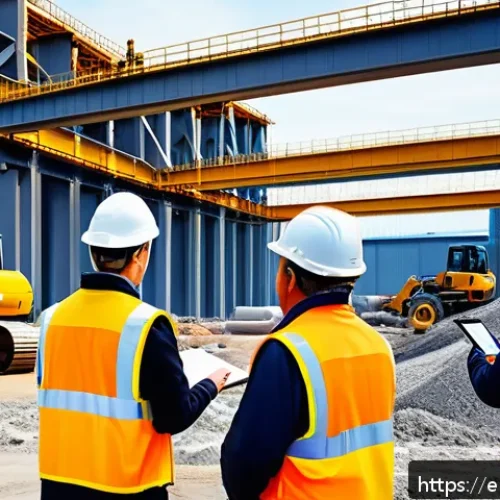
토목기사 강의에서 배우는 핵심 내용 관련 이미지 2

Bridging the Gap: Innovation and Technology in Civil Engineering

If you think civil engineering is stuck in the past with just blueprints and hard hats, think again! This field is actually incredibly dynamic, constantly integrating cutting-edge technologies to design, build, and maintain our infrastructure more efficiently and sustainably. I find it absolutely thrilling to see how digital tools and advanced materials are revolutionizing everything from how we plan urban spaces to how we monitor the health of our bridges. It’s like we’ve gone from drawing with pencils to orchestrating complex virtual simulations, allowing us to identify potential issues and optimize designs long before a single shovel hits the ground. This embrace of innovation isn’t just about making things faster or cheaper; it’s about making them smarter, safer, and more resilient in the face of future challenges. It’s about leveraging the power of data and automation to create infrastructure that truly serves the needs of the 21st century and beyond. The pace of change is exhilarating, offering endless opportunities for those of us in the field to push the boundaries of what’s possible and leave a lasting, positive impact on the world.

Digital Twins and AI: Revolutionizing Design and Maintenance

The concepts of “digital twins” and Artificial Intelligence (AI) are no longer confined to sci-fi movies; they’re actively transforming civil engineering. A digital twin is essentially a virtual replica of a physical asset, like a bridge or an entire building, constantly fed with real-time data from sensors. This allows engineers to monitor its performance, predict potential failures, and even simulate different scenarios without ever touching the actual structure. I’ve seen demonstrations where AI algorithms analyze structural data to identify minor cracks or shifts that human inspection might miss, flagging them for proactive maintenance. This predictive capability significantly extends the lifespan of infrastructure, reduces costly emergency repairs, and enhances safety for everyone. AI is also being used in design optimization, helping engineers explore countless design variations to find the most efficient and resilient solutions. It’s like having an incredibly powerful co-pilot that can process vast amounts of information and identify patterns that would be impossible for humans alone. This technological leap is making our infrastructure more intelligent, responsive, and robust, leading to smarter cities and safer communities. The idea of having a live, breathing digital copy of a major tunnel, constantly monitored by AI, is mind-bogglingly brilliant.

Advanced Materials: Pushing the Boundaries of What’s Possible

Just as important as digital innovation is the revolution happening in construction materials. Civil engineers are constantly exploring and developing advanced materials that offer superior strength, durability, and environmental performance. Think of self-healing concrete that can repair its own cracks, or ultra-high-performance concrete (UHPC) that is incredibly strong and long-lasting, allowing for lighter and more elegant structures. Then there are fiber-reinforced polymers (FRPs) that offer excellent corrosion resistance, perfect for structures in harsh environments like coastal areas. I remember learning about bio-inspired materials that mimic natural structures to achieve incredible properties, and it truly felt like we were on the cusp of a new era in construction. These innovations aren’t just academic; they’re being deployed in real-world projects, enabling us to build more sustainably, reduce maintenance costs, and create structures that can withstand even greater stresses. It’s exciting to see how these new materials are allowing us to push the boundaries of design, opening up possibilities for structures that were once considered impossible. Every time I hear about a new breakthrough in material science, I immediately think about its potential applications in infrastructure, imagining stronger, greener, and more resilient buildings and bridges.

Advertisement

My Journey into the Built Environment: A Personal Perspective

Looking back, my decision to delve into civil engineering feels less like a choice and more like a calling. There’s something profoundly satisfying about knowing that the work you do directly contributes to the physical framework of society – the places where people live, work, and connect. It’s a field that constantly challenges you, pushes you to think creatively, and ultimately rewards you with the tangible outcome of your efforts. I can still vividly recall the “aha!” moments during my studies and early career when complex theories suddenly made perfect sense as I saw them applied on a construction site. These weren’t just academic exercises; they were the principles that ensured a building stood tall or a bridge safely carried its load. This isn’t a career for the faint of heart; it demands precision, resilience, and a commitment to lifelong learning. But for those of us who love to solve complex problems and see our ideas take physical form, there’s truly nothing more fulfilling. It’s a journey of continuous discovery, where every project presents new puzzles to solve and new opportunities to innovate. The camaraderie you build with fellow engineers, architects, and construction crews is also a huge part of the experience, as you all work towards a common, monumental goal.

The “Aha!” Moments: When Theory Becomes Tangible

We all have those moments, right? Where something clicks, and a concept you’ve been reading about suddenly makes perfect sense in the real world. For me, in civil engineering, these “aha!” moments were incredibly powerful. I remember struggling with the concept of shear forces in beams, visualizing diagrams in my textbook. Then, during a site visit to a bridge construction, seeing how the steel rebar was specifically placed to counteract those exact forces, it was like a light bulb went off. Suddenly, the equations weren’t just numbers; they were the invisible strength holding everything together. Another time, understanding the intricate process of soil compaction and how vital it was for preventing future settlement of a building foundation felt incredibly profound. These aren’t just abstract ideas; they are the fundamental truths that govern how our built world functions. These moments of realization make all the late nights studying and the challenging problem sets worth it, transforming theoretical knowledge into practical wisdom. It’s these connections between the classroom and the construction site that truly solidify your understanding and fuel your passion for the field. Every time I encounter a well-engineered structure, I can almost feel those principles at work.

The Passion Project: Finding Your Niche in Civil Engineering

Civil engineering is a vast field, almost overwhelmingly so at times, with so many specializations – structural, transportation, environmental, geotechnical, water resources, construction management, and more. It can feel like you need to master everything, but what I’ve learned is the true joy comes from finding your niche, that one area where your passion truly ignites. For me, it was sustainable urban development and the challenge of retrofitting older cities for modern demands. For others, it might be designing earthquake-resistant buildings, pioneering new materials, or managing massive international infrastructure projects. I encourage anyone looking into this field to explore widely, take diverse electives, and seek out internships in different areas. You might be surprised by what truly sparks your interest. My own “passion project” involved volunteering for a local initiative focused on green stormwater solutions, which gave me hands-on experience and a deeper appreciation for the community impact of environmental engineering. Finding that specific area that resonates with you not only makes your work more enjoyable but also allows you to develop genuine expertise and make a more significant contribution. It’s about tailoring your journey to your unique strengths and interests, and that’s when your career truly blossoms.

Key Pillars of Modern Civil Engineering
Pillar Focus Area Impact on Society
Structural Engineering Design and analysis of buildings, bridges, and other structures to withstand loads. Ensures safety, stability, and longevity of physical infrastructure.
Transportation Engineering Planning, design, construction, and maintenance of transportation systems. Facilitates efficient movement of people and goods, supports economic activity.
Environmental Engineering Protection of public health by improving environmental quality. Provides clean water, manages waste, controls pollution, protects ecosystems.
Geotechnical Engineering Analysis of soil and rock behavior for foundation design and earthworks. Ensures stable foundations for all types of structures, prevents ground failures.
Water Resources Engineering Management of water resources including supply, treatment, and flood control. Ensures water availability, mitigates flood risks, supports agriculture and industry.

Concluding Thoughts

Well, what a journey through the incredible world of civil engineering! It’s truly mind-boggling when you stop to think about how much thought, precision, and sheer human ingenuity goes into building the very foundations of our daily lives. From the ground beneath our skyscrapers to the intricate networks that deliver our water and power, civil engineers are the silent architects of our modern existence. I hope this deep dive has given you a newfound appreciation for the hidden scaffolding that holds our world together. It’s a field brimming with innovation, where every challenge is an opportunity to create something safer, smarter, and more sustainable. Every time I see a new project nearing completion, I feel that same thrill of seeing visions transform into tangible realities, shaping communities and futures. It’s a profound responsibility, and one that continues to inspire me every single day.

Advertisement

Useful Information to Know

1. Civil Engineering is More Than Just Buildings: It encompasses a huge range of specialties, from designing bustling transportation systems and ensuring clean water access to managing waste and developing sustainable urban environments. It’s a field with incredible breadth, offering countless paths for passionate problem-solvers.

2. Sustainability is Key: Modern civil engineering places a massive emphasis on eco-friendly practices. Look out for “green infrastructure” projects in your community, like permeable pavements or green roofs, which are designed to work with nature to create more resilient cities.

3. Technology is Transforming the Field: Digital twins, AI, and advanced materials are revolutionizing how we design, build, and maintain infrastructure. These innovations are making our structures smarter, safer, and far more efficient than ever before, promising an exciting future for the built environment.

4. It’s a Collaborative Effort: Behind every impressive bridge or intricate water system is a team of dedicated professionals, including engineers, architects, project managers, and skilled construction workers. It’s truly a testament to human collaboration to bring these massive visions to life.

5. Your Local Infrastructure Matters: Take a moment to appreciate the roads you drive on, the bridges you cross, and the clean water from your tap. These are all products of civil engineering, working tirelessly to ensure our communities are functional, safe, and thriving. Engaging with local infrastructure projects can give you a deeper appreciation for this vital field.

Key Takeaways

Ultimately, civil engineering is about creating the foundational elements that allow society to flourish. It’s a field driven by experience, expertise, and a deep sense of responsibility. From understanding the ground up with geotechnical analysis to designing resilient structures and implementing smart city technologies, every aspect is crucial. The constant drive for innovation ensures that our infrastructure is not only robust but also sustainable, adapting to the challenges of today and tomorrow. It’s a dynamic profession where passion meets purpose, crafting the physical world we all inhabit with an unwavering commitment to safety, efficiency, and environmental stewardship. This isn’t just about concrete and steel; it’s about shaping lives and building a better future for everyone.

Frequently Asked Questions (FAQ) 📖

Q: You mentioned “core concepts” are like blueprints for innovation. Could you tell me more about what these essential principles of civil engineering really entail and how they equip us to build the future?

A: Oh, absolutely! When I talk about core concepts, I’m thinking of those foundational pillars that everything else is built upon. It’s not just rote memorization, believe me.
We’re talking about things like structural analysis – understanding how forces act on a bridge or a skyscraper to ensure it stands strong against wind, earthquakes, and daily use.
Then there’s geotechnics, which is all about the ground beneath our feet; knowing soil behavior is crucial for stable foundations. And hydraulics, which guides how we manage water, from designing effective drainage systems to creating sustainable water supplies.
I remember my first few months on a large-scale highway project. It was one thing to see these concepts in a textbook, but another entirely to watch them come to life, from the initial site surveys applying geotechnical principles to the intricate calculations for bridge supports.
These aren’t just academic theories; they’re practical tools that empower us to design everything from the smart public transportation networks of tomorrow to resilient coastal defenses against rising sea levels.
Mastering these core principles truly gives you the confidence and the competence to tackle almost any infrastructure challenge thrown your way.

Q: You touched on global challenges like climate change and the integration of new tech like

A: I. How is civil engineering actually evolving to tackle these modern issues, and what does that mean for someone just getting into the field today? A2: That’s a fantastic question, and it gets right to the heart of why civil engineering is so incredibly dynamic right now!
Honestly, the field is transforming at an exhilarating pace. We’re no longer just building; we’re innovating with a strong emphasis on sustainability and resilience.
For example, tackling climate change means designing flood-resistant infrastructure, developing greener building materials, and even creating urban environments that naturally mitigate heat islands.
I’ve personally been involved in projects exploring permeable pavements to reduce storm runoff – little changes that make a huge collective impact. And yes, technology is a game-changer!
AI and machine learning are being used for predictive maintenance on bridges, identifying potential issues before they become critical, which saves both lives and countless dollars.
Drones conduct rapid site surveys, and advanced modeling software allows us to simulate complex scenarios, ensuring optimal design and safety. For new civil engineers, this means your toolkit isn’t just a calculator and drafting board anymore; it’s also about understanding data analytics, smart sensors, and even a bit of coding.
It’s about being a problem-solver who can leverage cutting-edge tools to build a smarter, more sustainable world. It’s incredibly exciting!

Q: Beyond the technical aspects, what kind of tangible impact can a civil engineer really make on our communities and daily lives? What’s the bigger picture?

A: This is probably my favorite question because it really gets to the ‘why’ behind what we do. While the technical stuff is super important, the true magic of civil engineering lies in its profound impact on people’s lives every single day.
Think about it: that safe bridge you cross on your commute, the clean water flowing from your tap, the efficient public transit system that connects communities, or even the solid foundation of the hospital where lives are saved – these are all testaments to civil engineering.
I often reflect on a community park project I worked on. It wasn’t just about designing pathways and drainage; it was about creating a vibrant, accessible space where families could gather, kids could play, and nature could thrive.
Seeing people enjoy something you’ve helped create, knowing it improves their quality of life, is an incredibly rewarding feeling. We’re essentially custodians of the built environment, shaping not just physical structures but also the well-being, economic vitality, and future of entire societies.
It’s a profession that truly allows you to leave a lasting, positive mark on the world, one project at a time. It’s an awesome responsibility, and one I wouldn’t trade for anything!

Advertisement