Hey everyone! If you’re anything like I was when I first started exploring careers, you’ve probably stumbled across ‘Civil Engineering’ and ‘Architectural Engineering’ and thought, ‘Aren’t those… the same thing?’ It’s a super common mix-up, and honestly, it’s easy to see why!
Both fields are absolutely crucial for shaping the world around us, from the towering skyscrapers that define our city skylines to the bridges that connect communities, and even the sustainable infrastructure we desperately need for a greener future.
I’ve spent years immersed in understanding how our built environment comes to life, and I’ve seen firsthand how these incredible disciplines, while often working hand-in-hand, actually tackle very distinct challenges.
With global urbanization speeding up and the demand for smarter, more resilient cities growing every day, understanding who does what isn’t just academic – it’s key to appreciating the complex symphony behind every structure you interact with.
Latest trends in both fields heavily emphasize sustainable construction, green building materials, and integrating renewable energy sources, showcasing their joint commitment to an environmentally conscious future.
So, if you’ve ever wondered what truly separates the grand vision from the robust execution, or how the latest innovations in sustainable design are actually implemented, you’re in the right place.
Let’s get into the nitty-gritty and really nail down the differences between these two foundational pillars of our modern world below.
The Master Planners of Our World
Envisioning the Urban Tapestry
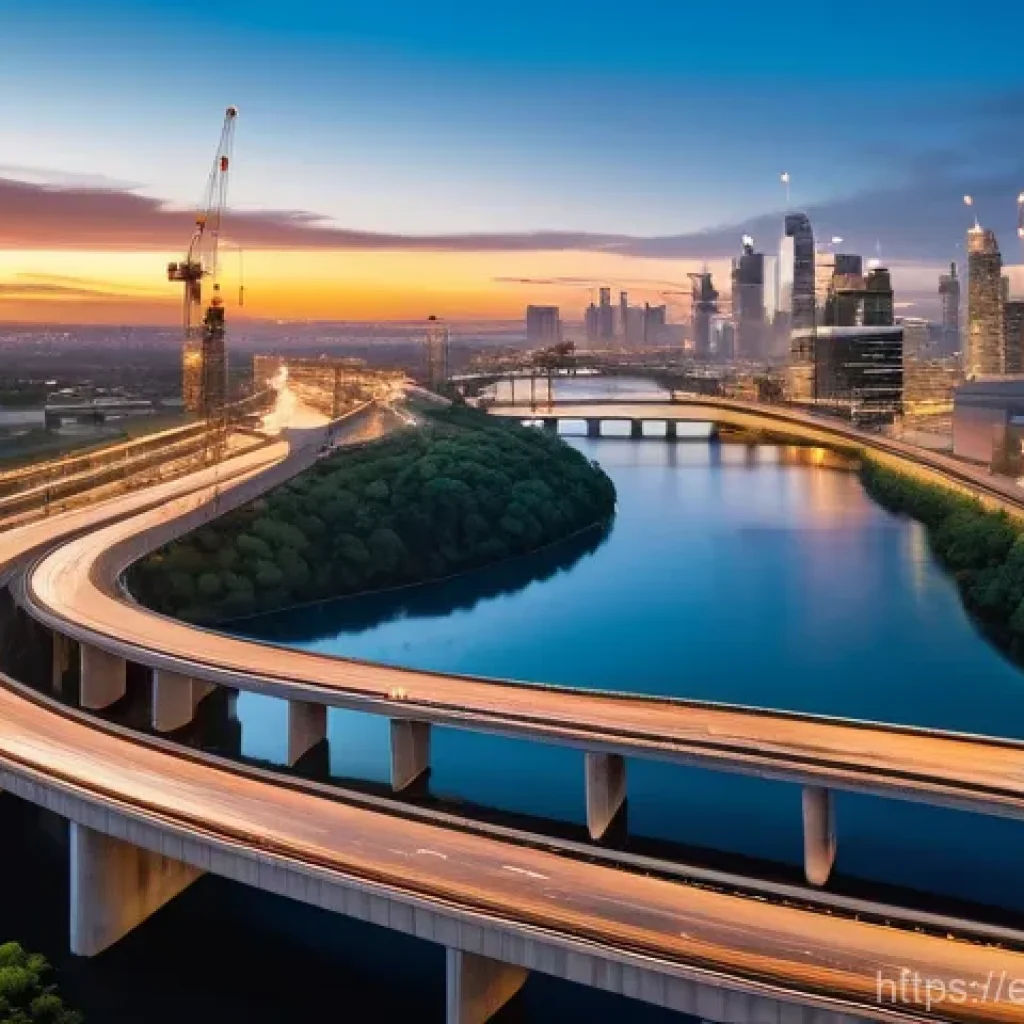
When I think about the vastness of our built environment, it’s impossible not to marvel at the sheer scale of planning involved. Civil engineers, from my perspective, are the ultimate master planners, operating at a macroscopic level that shapes entire communities and even regions. They’re the ones behind the sprawling highway networks that get us to work every day, the intricate water systems delivering clean drinking water to our taps, and the robust waste management facilities that keep our cities clean and healthy. My experience has shown me that their work isn’t just about constructing individual pieces; it’s about weaving together a cohesive, resilient fabric that supports millions of lives. They consider factors like traffic flow across an entire metropolitan area, the seismic resistance of a massive bridge, or the long-term environmental impact of a new dam. It’s a field that demands a deep understanding of physics, materials science, and environmental dynamics, all while keeping the public’s safety and well-being at the forefront. Their projects are often public-facing and serve an entire populace, making their decision-making process incredibly complex and layered with considerations for public good, economic feasibility, and long-term sustainability.
Ensuring Structural Integrity
While both fields care deeply about structural integrity, civil engineers are specifically the guardians of the larger, often critical, load-bearing components of infrastructure. Think about those massive bridges spanning canyons or rivers, the intricate support systems for high-speed rail lines, or the foundations of skyscrapers that reach for the clouds. From my observations, they dive deep into the mechanics of materials under extreme conditions, ensuring that concrete, steel, and composites can withstand everything from hurricane-force winds to major seismic events. They’re obsessed with factors like soil mechanics, hydrology, and geotechnical engineering, making sure that what’s built will stand the test of time and nature. It’s a role that requires a meticulous eye for detail and a comprehensive understanding of how forces act upon structures. I remember working on a project where the civil engineering team spent weeks analyzing the subtle ground shifts in an area before even breaking ground, underscoring their commitment to foundational stability. This isn’t just about making things stand up; it’s about making them endure, safely and reliably, for generations to come.
Crafting Livable Spaces, Inside and Out
Beyond the Building Envelope
Architectural engineers, in my honest opinion, are the unsung heroes who ensure that buildings aren’t just aesthetically pleasing shells but are truly functional, comfortable, and efficient living and working environments. While an architect might dream up a breathtaking facade, it’s the architectural engineer who figures out how to make that vision a reality, specifically focusing on the performance *within* the building envelope. They’re masters of the internal systems: the HVAC systems that keep us warm in winter and cool in summer, the lighting designs that enhance productivity and mood, and the acoustical solutions that create quiet sanctuaries in noisy urban settings. I’ve seen firsthand how their expertise translates into tangible comfort, like the perfect balance of natural light in an office space or the whisper-quiet operation of an air conditioning unit. Their work directly impacts our daily experience, influencing everything from our energy bills to our overall well-being. It’s a specialized discipline that blends engineering principles with an acute understanding of how people interact with their immediate surroundings, making spaces truly livable.
The Human Experience in Design
What truly sets architectural engineering apart, to me, is its unwavering focus on the human experience within a built space. It’s not just about wires and pipes; it’s about how those systems create an atmosphere. They consider how noise travels between floors, how air quality impacts health, or how efficient a building is at managing its own waste and energy consumption. My biggest takeaway from seeing them in action is their dedication to optimizing the interior environment for comfort, health, and sustainability. They’re constantly exploring innovations like smart building technologies that adapt to occupant needs or advanced filtration systems for cleaner indoor air. You know how it is when you walk into a building and it just *feels* right? That’s often the subtle yet profound impact of an architectural engineer at work, meticulously balancing technical requirements with the subjective aspects of human comfort and productivity. They bridge the gap between pure engineering and the nuanced art of creating spaces that truly serve their occupants.
From Blueprint to Reality: Different Lenses
The Big Picture: Systems and Networks
Civil engineering, from my perspective, always views projects through the lens of expansive systems and interconnected networks. They’re thinking about how a new bridge impacts traffic flow for miles around, or how a new wastewater treatment plant integrates with existing municipal infrastructure. Their designs often involve complex interactions with natural elements like rivers, coastlines, and geological formations, demanding a deep understanding of environmental impact and mitigation. I’ve often thought of them as the orchestrators of the grand symphony of public works, ensuring that each piece plays in harmony with the others to create a functional whole. They’re not just building a road; they’re building a vital artery for a community. They’re not just constructing a flood wall; they’re protecting an entire ecosystem. This systemic approach is crucial for projects that serve a large populace and often involve extensive public funding and regulatory oversight.
Focusing on Form and Function
Conversely, architectural engineers bring a more granular focus, concentrating intensely on the immediate structure and its integrated internal systems. Their lens is primarily on the individual building, ensuring its structural integrity, energy efficiency, and occupant comfort. While a civil engineer might design the road leading to a hospital, an architectural engineer designs the hospital itself, from its advanced air filtration systems in operating rooms to its resilient power grid. From my observations, they’re the ones meticulously calculating the loads on each beam and column, designing efficient lighting schemes, and ensuring that the building’s envelope performs optimally against external weather conditions. It’s a precise, detail-oriented approach where every component inside the building matters for its overall performance and the well-being of its occupants. They’re essentially making sure that the architect’s beautiful vision can actually stand up, breathe, and live up to its purpose.
When I think about the vastness of our built environment, it’s impossible not to marvel at the sheer scale of planning involved. Civil engineers, from my perspective, are the ultimate master planners, operating at a macroscopic level that shapes entire communities and even regions. They’re the ones behind the sprawling highway networks that get us to work every day, the intricate water systems delivering clean drinking water to our taps, and the robust waste management facilities that keep our cities clean and healthy. My experience has shown me that their work isn’t just about constructing individual pieces; it’s about weaving together a cohesive, resilient fabric that supports millions of lives. They consider factors like traffic flow across an entire metropolitan area, the seismic resistance of a massive bridge, or the long-term environmental impact of a new dam. It’s a field that demands a deep understanding of physics, materials science, and environmental dynamics, all while keeping the public’s safety and well-being at the forefront. Their projects are often public-facing and serve an entire populace, making their decision-making process incredibly complex and layered with considerations for public good, economic feasibility, and long-term sustainability.
Ensuring Structural Integrity
While both fields care deeply about structural integrity, civil engineers are specifically the guardians of the larger, often critical, load-bearing components of infrastructure. Think about those massive bridges spanning canyons or rivers, the intricate support systems for high-speed rail lines, or the foundations of skyscrapers that reach for the clouds. From my observations, they dive deep into the mechanics of materials under extreme conditions, ensuring that concrete, steel, and composites can withstand everything from hurricane-force winds to major seismic events. They’re obsessed with factors like soil mechanics, hydrology, and geotechnical engineering, making sure that what’s built will stand the test of time and nature. It’s a role that requires a meticulous eye for detail and a comprehensive understanding of how forces act upon structures. I remember working on a project where the civil engineering team spent weeks analyzing the subtle ground shifts in an area before even breaking ground, underscoring their commitment to foundational stability. This isn’t just about making things stand up; it’s about making them endure, safely and reliably, for generations to come.
Crafting Livable Spaces, Inside and Out
Beyond the Building Envelope
Architectural engineers, in my honest opinion, are the unsung heroes who ensure that buildings aren’t just aesthetically pleasing shells but are truly functional, comfortable, and efficient living and working environments. While an architect might dream up a breathtaking facade, it’s the architectural engineer who figures out how to make that vision a reality, specifically focusing on the performance *within* the building envelope. They’re masters of the internal systems: the HVAC systems that keep us warm in winter and cool in summer, the lighting designs that enhance productivity and mood, and the acoustical solutions that create quiet sanctuaries in noisy urban settings. I’ve seen firsthand how their expertise translates into tangible comfort, like the perfect balance of natural light in an office space or the whisper-quiet operation of an air conditioning unit. Their work directly impacts our daily experience, influencing everything from our energy bills to our overall well-being. It’s a specialized discipline that blends engineering principles with an acute understanding of how people interact with their immediate surroundings, making spaces truly livable.
The Human Experience in Design
What truly sets architectural engineering apart, to me, is its unwavering focus on the human experience within a built space. It’s not just about wires and pipes; it’s about how those systems create an atmosphere. They consider how noise travels between floors, how air quality impacts health, or how efficient a building is at managing its own waste and energy consumption. My biggest takeaway from seeing them in action is their dedication to optimizing the interior environment for comfort, health, and sustainability. They’re constantly exploring innovations like smart building technologies that adapt to occupant needs or advanced filtration systems for cleaner indoor air. You know how it is when you walk into a building and it just *feels* right? That’s often the subtle yet profound impact of an architectural engineer at work, meticulously balancing technical requirements with the subjective aspects of human comfort and productivity. They bridge the gap between pure engineering and the nuanced art of creating spaces that truly serve their occupants.
From Blueprint to Reality: Different Lenses
The Big Picture: Systems and Networks
Civil engineering, from my perspective, always views projects through the lens of expansive systems and interconnected networks. They’re thinking about how a new bridge impacts traffic flow for miles around, or how a new wastewater treatment plant integrates with existing municipal infrastructure. Their designs often involve complex interactions with natural elements like rivers, coastlines, and geological formations, demanding a deep understanding of environmental impact and mitigation. I’ve often thought of them as the orchestrators of the grand symphony of public works, ensuring that each piece plays in harmony with the others to create a functional whole. They’re not just building a road; they’re building a vital artery for a community. They’re not just constructing a flood wall; they’re protecting an entire ecosystem. This systemic approach is crucial for projects that serve a large populace and often involve extensive public funding and regulatory oversight.
Focusing on Form and Function
Conversely, architectural engineers bring a more granular focus, concentrating intensely on the immediate structure and its integrated internal systems. Their lens is primarily on the individual building, ensuring its structural integrity, energy efficiency, and occupant comfort. While a civil engineer might design the road leading to a hospital, an architectural engineer designs the hospital itself, from its advanced air filtration systems in operating rooms to its resilient power grid. From my observations, they’re the ones meticulously calculating the loads on each beam and column, designing efficient lighting schemes, and ensuring that the building’s envelope performs optimally against external weather conditions. It’s a precise, detail-oriented approach where every component inside the building matters for its overall performance and the well-being of its occupants. They’re essentially making sure that the architect’s beautiful vision can actually stand up, breathe, and live up to its purpose.
Beyond the Building Envelope
Architectural engineers, in my honest opinion, are the unsung heroes who ensure that buildings aren’t just aesthetically pleasing shells but are truly functional, comfortable, and efficient living and working environments. While an architect might dream up a breathtaking facade, it’s the architectural engineer who figures out how to make that vision a reality, specifically focusing on the performance *within* the building envelope. They’re masters of the internal systems: the HVAC systems that keep us warm in winter and cool in summer, the lighting designs that enhance productivity and mood, and the acoustical solutions that create quiet sanctuaries in noisy urban settings. I’ve seen firsthand how their expertise translates into tangible comfort, like the perfect balance of natural light in an office space or the whisper-quiet operation of an air conditioning unit. Their work directly impacts our daily experience, influencing everything from our energy bills to our overall well-being. It’s a specialized discipline that blends engineering principles with an acute understanding of how people interact with their immediate surroundings, making spaces truly livable.
The Human Experience in Design
What truly sets architectural engineering apart, to me, is its unwavering focus on the human experience within a built space. It’s not just about wires and pipes; it’s about how those systems create an atmosphere. They consider how noise travels between floors, how air quality impacts health, or how efficient a building is at managing its own waste and energy consumption. My biggest takeaway from seeing them in action is their dedication to optimizing the interior environment for comfort, health, and sustainability. They’re constantly exploring innovations like smart building technologies that adapt to occupant needs or advanced filtration systems for cleaner indoor air. You know how it is when you walk into a building and it just *feels* right? That’s often the subtle yet profound impact of an architectural engineer at work, meticulously balancing technical requirements with the subjective aspects of human comfort and productivity. They bridge the gap between pure engineering and the nuanced art of creating spaces that truly serve their occupants.
From Blueprint to Reality: Different Lenses
The Big Picture: Systems and Networks
Civil engineering, from my perspective, always views projects through the lens of expansive systems and interconnected networks. They’re thinking about how a new bridge impacts traffic flow for miles around, or how a new wastewater treatment plant integrates with existing municipal infrastructure. Their designs often involve complex interactions with natural elements like rivers, coastlines, and geological formations, demanding a deep understanding of environmental impact and mitigation. I’ve often thought of them as the orchestrators of the grand symphony of public works, ensuring that each piece plays in harmony with the others to create a functional whole. They’re not just building a road; they’re building a vital artery for a community. They’re not just constructing a flood wall; they’re protecting an entire ecosystem. This systemic approach is crucial for projects that serve a large populace and often involve extensive public funding and regulatory oversight.
Focusing on Form and Function
Conversely, architectural engineers bring a more granular focus, concentrating intensely on the immediate structure and its integrated internal systems. Their lens is primarily on the individual building, ensuring its structural integrity, energy efficiency, and occupant comfort. While a civil engineer might design the road leading to a hospital, an architectural engineer designs the hospital itself, from its advanced air filtration systems in operating rooms to its resilient power grid. From my observations, they’re the ones meticulously calculating the loads on each beam and column, designing efficient lighting schemes, and ensuring that the building’s envelope performs optimally against external weather conditions. It’s a precise, detail-oriented approach where every component inside the building matters for its overall performance and the well-being of its occupants. They’re essentially making sure that the architect’s beautiful vision can actually stand up, breathe, and live up to its purpose.
What truly sets architectural engineering apart, to me, is its unwavering focus on the human experience within a built space. It’s not just about wires and pipes; it’s about how those systems create an atmosphere. They consider how noise travels between floors, how air quality impacts health, or how efficient a building is at managing its own waste and energy consumption. My biggest takeaway from seeing them in action is their dedication to optimizing the interior environment for comfort, health, and sustainability. They’re constantly exploring innovations like smart building technologies that adapt to occupant needs or advanced filtration systems for cleaner indoor air. You know how it is when you walk into a building and it just *feels* right? That’s often the subtle yet profound impact of an architectural engineer at work, meticulously balancing technical requirements with the subjective aspects of human comfort and productivity. They bridge the gap between pure engineering and the nuanced art of creating spaces that truly serve their occupants.
From Blueprint to Reality: Different Lenses
The Big Picture: Systems and Networks
Civil engineering, from my perspective, always views projects through the lens of expansive systems and interconnected networks. They’re thinking about how a new bridge impacts traffic flow for miles around, or how a new wastewater treatment plant integrates with existing municipal infrastructure. Their designs often involve complex interactions with natural elements like rivers, coastlines, and geological formations, demanding a deep understanding of environmental impact and mitigation. I’ve often thought of them as the orchestrators of the grand symphony of public works, ensuring that each piece plays in harmony with the others to create a functional whole. They’re not just building a road; they’re building a vital artery for a community. They’re not just constructing a flood wall; they’re protecting an entire ecosystem. This systemic approach is crucial for projects that serve a large populace and often involve extensive public funding and regulatory oversight.
Focusing on Form and Function
Conversely, architectural engineers bring a more granular focus, concentrating intensely on the immediate structure and its integrated internal systems. Their lens is primarily on the individual building, ensuring its structural integrity, energy efficiency, and occupant comfort. While a civil engineer might design the road leading to a hospital, an architectural engineer designs the hospital itself, from its advanced air filtration systems in operating rooms to its resilient power grid. From my observations, they’re the ones meticulously calculating the loads on each beam and column, designing efficient lighting schemes, and ensuring that the building’s envelope performs optimally against external weather conditions. It’s a precise, detail-oriented approach where every component inside the building matters for its overall performance and the well-being of its occupants. They’re essentially making sure that the architect’s beautiful vision can actually stand up, breathe, and live up to its purpose.
Civil engineering, from my perspective, always views projects through the lens of expansive systems and interconnected networks. They’re thinking about how a new bridge impacts traffic flow for miles around, or how a new wastewater treatment plant integrates with existing municipal infrastructure. Their designs often involve complex interactions with natural elements like rivers, coastlines, and geological formations, demanding a deep understanding of environmental impact and mitigation. I’ve often thought of them as the orchestrators of the grand symphony of public works, ensuring that each piece plays in harmony with the others to create a functional whole. They’re not just building a road; they’re building a vital artery for a community. They’re not just constructing a flood wall; they’re protecting an entire ecosystem. This systemic approach is crucial for projects that serve a large populace and often involve extensive public funding and regulatory oversight.
Focusing on Form and Function
Conversely, architectural engineers bring a more granular focus, concentrating intensely on the immediate structure and its integrated internal systems. Their lens is primarily on the individual building, ensuring its structural integrity, energy efficiency, and occupant comfort. While a civil engineer might design the road leading to a hospital, an architectural engineer designs the hospital itself, from its advanced air filtration systems in operating rooms to its resilient power grid. From my observations, they’re the ones meticulously calculating the loads on each beam and column, designing efficient lighting schemes, and ensuring that the building’s envelope performs optimally against external weather conditions. It’s a precise, detail-oriented approach where every component inside the building matters for its overall performance and the well-being of its occupants. They’re essentially making sure that the architect’s beautiful vision can actually stand up, breathe, and live up to its purpose.
| Aspect | Civil Engineering | Architectural Engineering |
|---|---|---|
| Primary Focus | Large-scale infrastructure (bridges, roads, dams, public utilities, urban planning) | Building systems (HVAC, electrical, structural elements, acoustics, energy performance within buildings) |
| Scale of Projects | Community, regional, national infrastructure; large land development | Individual buildings and complexes; optimizing internal functionality |
| Core Goal | Ensure societal infrastructure is safe, efficient, and sustainable for public use | Ensure buildings are structurally sound, energy-efficient, and comfortable for occupants |
| Key Questions | How do we connect cities? How do we manage water resources? How do we withstand natural disasters? | How do we heat/cool this space efficiently? How do we light it optimally? How does the building stand up? |
| Typical Collaborators | Urban planners, environmental scientists, geologists, government officials | Architects, mechanical engineers, electrical engineers, interior designers |
Tools of the Trade: A Look at Their Workflows
Engineering for Resilience
When I think about the tools and methodologies civil engineers employ, the word “resilience” always comes to mind. They’re constantly leveraging advanced analytical software for structural analysis, hydraulic modeling, and geotechnical simulations. My experience has shown me that they often work with large data sets related to weather patterns, seismic activity, and population demographics to design infrastructure that can withstand extreme events and serve communities for decades. Their workflow often involves extensive field surveys, soil testing, and environmental impact assessments before a single shovel even breaks ground. They’re experts in designing robust foundations for towering structures, intricate drainage systems for flood control, and durable materials for high-stress applications. It’s a world where precision, long-term forecasting, and safety factors are paramount, ensuring that the structures they create can endure the test of time and nature without faltering.
Designing for Aesthetic Appeal
Architectural engineers, on the other hand, utilize a different suite of tools, often integrating closely with architectural design software while adding their specialized engineering calculations. They are masters of building information modeling (BIM) platforms, which allow them to integrate structural, mechanical, and electrical systems into a single, cohesive 3D model. From my observation, this collaborative approach is crucial for optimizing energy performance, visualizing complex piping and ductwork, and coordinating between various trades. They’re not just crunching numbers; they’re also deeply involved in the practical application of building codes and performance standards. Their work might involve sophisticated light simulations to optimize natural daylighting, thermodynamic modeling to predict energy usage, or acoustical analyses to mitigate noise. It’s a dynamic workflow that balances technical efficacy with the aesthetic and functional goals of the architectural design, ensuring that beauty doesn’t come at the expense of performance or comfort.
The Ever-Evolving Landscape of Sustainability
Green Infrastructure and Materials
Sustainability is a massive topic for both fields, but civil engineers often approach it from a broader perspective, focusing on “green infrastructure” that serves entire communities. I’ve personally seen them lead projects involving permeable pavements that reduce stormwater runoff, innovative waste-to-energy facilities that decrease landfill reliance, and designs for public transportation systems that minimize carbon footprints across an urban landscape. They’re deeply involved in material science research to develop more sustainable concrete mixes, recycled aggregates, and earth-friendly construction techniques for large-scale projects. My conversations with civil engineers often revolve around balancing growth with environmental protection on a scale that impacts millions. Their work in restoring natural habitats, managing water resources intelligently, and designing resilient coastal defenses are all testament to their commitment to a greener, more sustainable planet for everyone. It’s about building for the future while respecting the environment we have today.
Optimizing Building Performance
Architectural engineers, true to their nature, zero in on sustainability within the confines of individual buildings, striving for optimal energy performance and occupant health. They are the driving force behind “net-zero energy” buildings, which produce as much energy as they consume, or even “living buildings” that mimic natural ecosystems. I’ve witnessed them meticulously calculate a building’s energy footprint, specify high-performance insulation and glazing, and integrate renewable energy sources like solar panels or geothermal heating and cooling systems. They’re also deeply concerned with indoor air quality, material sourcing for low VOC (volatile organic compound) content, and water conservation within the building itself. Their goal is to create buildings that are not only efficient but also healthy and inspiring spaces for the people who inhabit them. It’s a hands-on approach to making green living a tangible reality, one building at a time, making sure that every watt and every drop of water is used wisely.
Where the Two Worlds Harmoniously Converge
Collaborative Project Dynamics
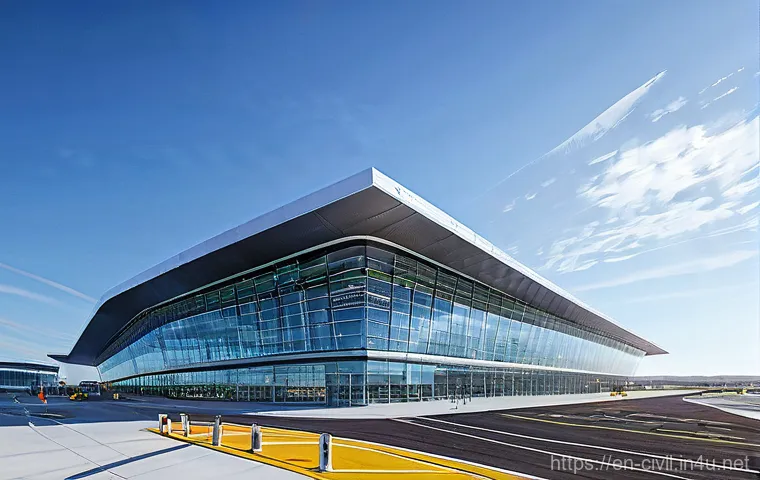
Despite their distinct focuses, civil and architectural engineers often find themselves working in incredibly close collaboration, especially on large-scale urban development projects. From my experience, it’s truly a symphony of specialized knowledge coming together. Imagine a new airport complex: civil engineers design the runways, taxiways, and access roads, ensuring the site’s overall grading and drainage can handle massive volumes of water. Simultaneously, architectural engineers are designing the airport terminals, focusing on the structural integrity of the terminal buildings, the efficiency of their HVAC systems for passenger comfort, and the sophisticated lighting for navigation and ambiance. They regularly share data, coordinate schedules, and provide critical input to each other, ensuring that the entire project is cohesive, safe, and functional. Without this robust collaboration, complex projects simply wouldn’t get off the ground.
Bridging the Knowledge Gap
This convergence is where some of the most exciting innovations happen. I’ve seen civil engineers consult with architectural engineers on the optimal placement of a new building’s heavy equipment to ensure the underlying soil can bear the load, even before the architectural engineer finalizes the structural design. Conversely, architectural engineers might provide detailed load calculations for the building’s internal systems that civil engineers then incorporate into their designs for adjacent infrastructure, like utility connections. It’s a constant dialogue, a bridging of the knowledge gap that ensures both the macro-level infrastructure and the micro-level building performance are perfectly aligned. They both share a fundamental commitment to safety, efficiency, and sustainability, even if they arrive at those goals through different pathways. It’s a testament to how specialized disciplines can come together to create something truly greater than the sum of its parts.
Navigating Your Career Path in the Built Environment
Diverse Specializations and Opportunities
If you’re considering a career in either civil or architectural engineering, let me tell you, the opportunities are incredibly diverse and exciting! In civil engineering, you could specialize in structural engineering, designing the skeletons of buildings and bridges; transportation engineering, optimizing traffic flow and public transit; geotechnical engineering, understanding the earth beneath our feet; or environmental engineering, tackling water and waste management. My friends in civil engineering are constantly working on projects that reshape skylines and connect communities. On the architectural engineering side, you might delve into HVAC systems, creating perfect indoor climates; electrical engineering, powering everything from smart homes to high-rises; or structural analysis, ensuring a building stands tall and proud. The beauty is that both fields offer pathways into cutting-edge areas like smart cities, sustainable design, and resilient infrastructure.
Making Your Mark
The choice between these two incredible fields often comes down to your personal passion and the scale at which you want to make an impact. Do you dream of designing vast city systems, shaping how millions of people move and live across an entire region? Then civil engineering might be your calling. Or are you captivated by the intricacies of how individual buildings perform, creating comfortable, efficient, and inspiring spaces where people work, live, and play? In that case, architectural engineering could be your perfect fit. I’ve seen brilliant minds thrive in both, contributing in profound ways to the built environment. What’s most important is finding where your skills and interests align best, because both disciplines are absolutely vital for building the future we all envision – one that’s sustainable, resilient, and utterly awe-inspiring. Go explore, talk to professionals, and see where your passion truly takes you!
Closing Thoughts
When I think about the tools and methodologies civil engineers employ, the word “resilience” always comes to mind. They’re constantly leveraging advanced analytical software for structural analysis, hydraulic modeling, and geotechnical simulations. My experience has shown me that they often work with large data sets related to weather patterns, seismic activity, and population demographics to design infrastructure that can withstand extreme events and serve communities for decades. Their workflow often involves extensive field surveys, soil testing, and environmental impact assessments before a single shovel even breaks ground. They’re experts in designing robust foundations for towering structures, intricate drainage systems for flood control, and durable materials for high-stress applications. It’s a world where precision, long-term forecasting, and safety factors are paramount, ensuring that the structures they create can endure the test of time and nature without faltering.
Designing for Aesthetic Appeal
Architectural engineers, on the other hand, utilize a different suite of tools, often integrating closely with architectural design software while adding their specialized engineering calculations. They are masters of building information modeling (BIM) platforms, which allow them to integrate structural, mechanical, and electrical systems into a single, cohesive 3D model. From my observation, this collaborative approach is crucial for optimizing energy performance, visualizing complex piping and ductwork, and coordinating between various trades. They’re not just crunching numbers; they’re also deeply involved in the practical application of building codes and performance standards. Their work might involve sophisticated light simulations to optimize natural daylighting, thermodynamic modeling to predict energy usage, or acoustical analyses to mitigate noise. It’s a dynamic workflow that balances technical efficacy with the aesthetic and functional goals of the architectural design, ensuring that beauty doesn’t come at the expense of performance or comfort.
The Ever-Evolving Landscape of Sustainability
Green Infrastructure and Materials
Sustainability is a massive topic for both fields, but civil engineers often approach it from a broader perspective, focusing on “green infrastructure” that serves entire communities. I’ve personally seen them lead projects involving permeable pavements that reduce stormwater runoff, innovative waste-to-energy facilities that decrease landfill reliance, and designs for public transportation systems that minimize carbon footprints across an urban landscape. They’re deeply involved in material science research to develop more sustainable concrete mixes, recycled aggregates, and earth-friendly construction techniques for large-scale projects. My conversations with civil engineers often revolve around balancing growth with environmental protection on a scale that impacts millions. Their work in restoring natural habitats, managing water resources intelligently, and designing resilient coastal defenses are all testament to their commitment to a greener, more sustainable planet for everyone. It’s about building for the future while respecting the environment we have today.
Optimizing Building Performance
Architectural engineers, true to their nature, zero in on sustainability within the confines of individual buildings, striving for optimal energy performance and occupant health. They are the driving force behind “net-zero energy” buildings, which produce as much energy as they consume, or even “living buildings” that mimic natural ecosystems. I’ve witnessed them meticulously calculate a building’s energy footprint, specify high-performance insulation and glazing, and integrate renewable energy sources like solar panels or geothermal heating and cooling systems. They’re also deeply concerned with indoor air quality, material sourcing for low VOC (volatile organic compound) content, and water conservation within the building itself. Their goal is to create buildings that are not only efficient but also healthy and inspiring spaces for the people who inhabit them. It’s a hands-on approach to making green living a tangible reality, one building at a time, making sure that every watt and every drop of water is used wisely.
Where the Two Worlds Harmoniously Converge
Collaborative Project Dynamics
Despite their distinct focuses, civil and architectural engineers often find themselves working in incredibly close collaboration, especially on large-scale urban development projects. From my experience, it’s truly a symphony of specialized knowledge coming together. Imagine a new airport complex: civil engineers design the runways, taxiways, and access roads, ensuring the site’s overall grading and drainage can handle massive volumes of water. Simultaneously, architectural engineers are designing the airport terminals, focusing on the structural integrity of the terminal buildings, the efficiency of their HVAC systems for passenger comfort, and the sophisticated lighting for navigation and ambiance. They regularly share data, coordinate schedules, and provide critical input to each other, ensuring that the entire project is cohesive, safe, and functional. Without this robust collaboration, complex projects simply wouldn’t get off the ground.
Bridging the Knowledge Gap
This convergence is where some of the most exciting innovations happen. I’ve seen civil engineers consult with architectural engineers on the optimal placement of a new building’s heavy equipment to ensure the underlying soil can bear the load, even before the architectural engineer finalizes the structural design. Conversely, architectural engineers might provide detailed load calculations for the building’s internal systems that civil engineers then incorporate into their designs for adjacent infrastructure, like utility connections. It’s a constant dialogue, a bridging of the knowledge gap that ensures both the macro-level infrastructure and the micro-level building performance are perfectly aligned. They both share a fundamental commitment to safety, efficiency, and sustainability, even if they arrive at those goals through different pathways. It’s a testament to how specialized disciplines can come together to create something truly greater than the sum of its parts.
Navigating Your Career Path in the Built Environment
Diverse Specializations and Opportunities
If you’re considering a career in either civil or architectural engineering, let me tell you, the opportunities are incredibly diverse and exciting! In civil engineering, you could specialize in structural engineering, designing the skeletons of buildings and bridges; transportation engineering, optimizing traffic flow and public transit; geotechnical engineering, understanding the earth beneath our feet; or environmental engineering, tackling water and waste management. My friends in civil engineering are constantly working on projects that reshape skylines and connect communities. On the architectural engineering side, you might delve into HVAC systems, creating perfect indoor climates; electrical engineering, powering everything from smart homes to high-rises; or structural analysis, ensuring a building stands tall and proud. The beauty is that both fields offer pathways into cutting-edge areas like smart cities, sustainable design, and resilient infrastructure.
Making Your Mark
The choice between these two incredible fields often comes down to your personal passion and the scale at which you want to make an impact. Do you dream of designing vast city systems, shaping how millions of people move and live across an entire region? Then civil engineering might be your calling. Or are you captivated by the intricacies of how individual buildings perform, creating comfortable, efficient, and inspiring spaces where people work, live, and play? In that case, architectural engineering could be your perfect fit. I’ve seen brilliant minds thrive in both, contributing in profound ways to the built environment. What’s most important is finding where your skills and interests align best, because both disciplines are absolutely vital for building the future we all envision – one that’s sustainable, resilient, and utterly awe-inspiring. Go explore, talk to professionals, and see where your passion truly takes you!
Closing Thoughts
Green Infrastructure and Materials
Sustainability is a massive topic for both fields, but civil engineers often approach it from a broader perspective, focusing on “green infrastructure” that serves entire communities. I’ve personally seen them lead projects involving permeable pavements that reduce stormwater runoff, innovative waste-to-energy facilities that decrease landfill reliance, and designs for public transportation systems that minimize carbon footprints across an urban landscape. They’re deeply involved in material science research to develop more sustainable concrete mixes, recycled aggregates, and earth-friendly construction techniques for large-scale projects. My conversations with civil engineers often revolve around balancing growth with environmental protection on a scale that impacts millions. Their work in restoring natural habitats, managing water resources intelligently, and designing resilient coastal defenses are all testament to their commitment to a greener, more sustainable planet for everyone. It’s about building for the future while respecting the environment we have today.
Optimizing Building Performance
Architectural engineers, true to their nature, zero in on sustainability within the confines of individual buildings, striving for optimal energy performance and occupant health. They are the driving force behind “net-zero energy” buildings, which produce as much energy as they consume, or even “living buildings” that mimic natural ecosystems. I’ve witnessed them meticulously calculate a building’s energy footprint, specify high-performance insulation and glazing, and integrate renewable energy sources like solar panels or geothermal heating and cooling systems. They’re also deeply concerned with indoor air quality, material sourcing for low VOC (volatile organic compound) content, and water conservation within the building itself. Their goal is to create buildings that are not only efficient but also healthy and inspiring spaces for the people who inhabit them. It’s a hands-on approach to making green living a tangible reality, one building at a time, making sure that every watt and every drop of water is used wisely.
Where the Two Worlds Harmoniously Converge
Collaborative Project Dynamics
Despite their distinct focuses, civil and architectural engineers often find themselves working in incredibly close collaboration, especially on large-scale urban development projects. From my experience, it’s truly a symphony of specialized knowledge coming together. Imagine a new airport complex: civil engineers design the runways, taxiways, and access roads, ensuring the site’s overall grading and drainage can handle massive volumes of water. Simultaneously, architectural engineers are designing the airport terminals, focusing on the structural integrity of the terminal buildings, the efficiency of their HVAC systems for passenger comfort, and the sophisticated lighting for navigation and ambiance. They regularly share data, coordinate schedules, and provide critical input to each other, ensuring that the entire project is cohesive, safe, and functional. Without this robust collaboration, complex projects simply wouldn’t get off the ground.
Bridging the Knowledge Gap
This convergence is where some of the most exciting innovations happen. I’ve seen civil engineers consult with architectural engineers on the optimal placement of a new building’s heavy equipment to ensure the underlying soil can bear the load, even before the architectural engineer finalizes the structural design. Conversely, architectural engineers might provide detailed load calculations for the building’s internal systems that civil engineers then incorporate into their designs for adjacent infrastructure, like utility connections. It’s a constant dialogue, a bridging of the knowledge gap that ensures both the macro-level infrastructure and the micro-level building performance are perfectly aligned. They both share a fundamental commitment to safety, efficiency, and sustainability, even if they arrive at those goals through different pathways. It’s a testament to how specialized disciplines can come together to create something truly greater than the sum of its parts.
Navigating Your Career Path in the Built Environment
Diverse Specializations and Opportunities
If you’re considering a career in either civil or architectural engineering, let me tell you, the opportunities are incredibly diverse and exciting! In civil engineering, you could specialize in structural engineering, designing the skeletons of buildings and bridges; transportation engineering, optimizing traffic flow and public transit; geotechnical engineering, understanding the earth beneath our feet; or environmental engineering, tackling water and waste management. My friends in civil engineering are constantly working on projects that reshape skylines and connect communities. On the architectural engineering side, you might delve into HVAC systems, creating perfect indoor climates; electrical engineering, powering everything from smart homes to high-rises; or structural analysis, ensuring a building stands tall and proud. The beauty is that both fields offer pathways into cutting-edge areas like smart cities, sustainable design, and resilient infrastructure.
Making Your Mark
The choice between these two incredible fields often comes down to your personal passion and the scale at which you want to make an impact. Do you dream of designing vast city systems, shaping how millions of people move and live across an entire region? Then civil engineering might be your calling. Or are you captivated by the intricacies of how individual buildings perform, creating comfortable, efficient, and inspiring spaces where people work, live, and play? In that case, architectural engineering could be your perfect fit. I’ve seen brilliant minds thrive in both, contributing in profound ways to the built environment. What’s most important is finding where your skills and interests align best, because both disciplines are absolutely vital for building the future we all envision – one that’s sustainable, resilient, and utterly awe-inspiring. Go explore, talk to professionals, and see where your passion truly takes you!
Closing Thoughts
Architectural engineers, true to their nature, zero in on sustainability within the confines of individual buildings, striving for optimal energy performance and occupant health. They are the driving force behind “net-zero energy” buildings, which produce as much energy as they consume, or even “living buildings” that mimic natural ecosystems. I’ve witnessed them meticulously calculate a building’s energy footprint, specify high-performance insulation and glazing, and integrate renewable energy sources like solar panels or geothermal heating and cooling systems. They’re also deeply concerned with indoor air quality, material sourcing for low VOC (volatile organic compound) content, and water conservation within the building itself. Their goal is to create buildings that are not only efficient but also healthy and inspiring spaces for the people who inhabit them. It’s a hands-on approach to making green living a tangible reality, one building at a time, making sure that every watt and every drop of water is used wisely.
Where the Two Worlds Harmoniously Converge
Collaborative Project Dynamics
Despite their distinct focuses, civil and architectural engineers often find themselves working in incredibly close collaboration, especially on large-scale urban development projects. From my experience, it’s truly a symphony of specialized knowledge coming together. Imagine a new airport complex: civil engineers design the runways, taxiways, and access roads, ensuring the site’s overall grading and drainage can handle massive volumes of water. Simultaneously, architectural engineers are designing the airport terminals, focusing on the structural integrity of the terminal buildings, the efficiency of their HVAC systems for passenger comfort, and the sophisticated lighting for navigation and ambiance. They regularly share data, coordinate schedules, and provide critical input to each other, ensuring that the entire project is cohesive, safe, and functional. Without this robust collaboration, complex projects simply wouldn’t get off the ground.
Bridging the Knowledge Gap
This convergence is where some of the most exciting innovations happen. I’ve seen civil engineers consult with architectural engineers on the optimal placement of a new building’s heavy equipment to ensure the underlying soil can bear the load, even before the architectural engineer finalizes the structural design. Conversely, architectural engineers might provide detailed load calculations for the building’s internal systems that civil engineers then incorporate into their designs for adjacent infrastructure, like utility connections. It’s a constant dialogue, a bridging of the knowledge gap that ensures both the macro-level infrastructure and the micro-level building performance are perfectly aligned. They both share a fundamental commitment to safety, efficiency, and sustainability, even if they arrive at those goals through different pathways. It’s a testament to how specialized disciplines can come together to create something truly greater than the sum of its parts.
Navigating Your Career Path in the Built Environment
Diverse Specializations and Opportunities
If you’re considering a career in either civil or architectural engineering, let me tell you, the opportunities are incredibly diverse and exciting! In civil engineering, you could specialize in structural engineering, designing the skeletons of buildings and bridges; transportation engineering, optimizing traffic flow and public transit; geotechnical engineering, understanding the earth beneath our feet; or environmental engineering, tackling water and waste management. My friends in civil engineering are constantly working on projects that reshape skylines and connect communities. On the architectural engineering side, you might delve into HVAC systems, creating perfect indoor climates; electrical engineering, powering everything from smart homes to high-rises; or structural analysis, ensuring a building stands tall and proud. The beauty is that both fields offer pathways into cutting-edge areas like smart cities, sustainable design, and resilient infrastructure.
Making Your Mark
The choice between these two incredible fields often comes down to your personal passion and the scale at which you want to make an impact. Do you dream of designing vast city systems, shaping how millions of people move and live across an entire region? Then civil engineering might be your calling. Or are you captivated by the intricacies of how individual buildings perform, creating comfortable, efficient, and inspiring spaces where people work, live, and play? In that case, architectural engineering could be your perfect fit. I’ve seen brilliant minds thrive in both, contributing in profound ways to the built environment. What’s most important is finding where your skills and interests align best, because both disciplines are absolutely vital for building the future we all envision – one that’s sustainable, resilient, and utterly awe-inspiring. Go explore, talk to professionals, and see where your passion truly takes you!
Closing Thoughts
Despite their distinct focuses, civil and architectural engineers often find themselves working in incredibly close collaboration, especially on large-scale urban development projects. From my experience, it’s truly a symphony of specialized knowledge coming together. Imagine a new airport complex: civil engineers design the runways, taxiways, and access roads, ensuring the site’s overall grading and drainage can handle massive volumes of water. Simultaneously, architectural engineers are designing the airport terminals, focusing on the structural integrity of the terminal buildings, the efficiency of their HVAC systems for passenger comfort, and the sophisticated lighting for navigation and ambiance. They regularly share data, coordinate schedules, and provide critical input to each other, ensuring that the entire project is cohesive, safe, and functional. Without this robust collaboration, complex projects simply wouldn’t get off the ground.
Bridging the Knowledge Gap
This convergence is where some of the most exciting innovations happen. I’ve seen civil engineers consult with architectural engineers on the optimal placement of a new building’s heavy equipment to ensure the underlying soil can bear the load, even before the architectural engineer finalizes the structural design. Conversely, architectural engineers might provide detailed load calculations for the building’s internal systems that civil engineers then incorporate into their designs for adjacent infrastructure, like utility connections. It’s a constant dialogue, a bridging of the knowledge gap that ensures both the macro-level infrastructure and the micro-level building performance are perfectly aligned. They both share a fundamental commitment to safety, efficiency, and sustainability, even if they arrive at those goals through different pathways. It’s a testament to how specialized disciplines can come together to create something truly greater than the sum of its parts.
Navigating Your Career Path in the Built Environment
Diverse Specializations and Opportunities
If you’re considering a career in either civil or architectural engineering, let me tell you, the opportunities are incredibly diverse and exciting! In civil engineering, you could specialize in structural engineering, designing the skeletons of buildings and bridges; transportation engineering, optimizing traffic flow and public transit; geotechnical engineering, understanding the earth beneath our feet; or environmental engineering, tackling water and waste management. My friends in civil engineering are constantly working on projects that reshape skylines and connect communities. On the architectural engineering side, you might delve into HVAC systems, creating perfect indoor climates; electrical engineering, powering everything from smart homes to high-rises; or structural analysis, ensuring a building stands tall and proud. The beauty is that both fields offer pathways into cutting-edge areas like smart cities, sustainable design, and resilient infrastructure.
Making Your Mark
The choice between these two incredible fields often comes down to your personal passion and the scale at which you want to make an impact. Do you dream of designing vast city systems, shaping how millions of people move and live across an entire region? Then civil engineering might be your calling. Or are you captivated by the intricacies of how individual buildings perform, creating comfortable, efficient, and inspiring spaces where people work, live, and play? In that case, architectural engineering could be your perfect fit. I’ve seen brilliant minds thrive in both, contributing in profound ways to the built environment. What’s most important is finding where your skills and interests align best, because both disciplines are absolutely vital for building the future we all envision – one that’s sustainable, resilient, and utterly awe-inspiring. Go explore, talk to professionals, and see where your passion truly takes you!
Closing Thoughts
Diverse Specializations and Opportunities
If you’re considering a career in either civil or architectural engineering, let me tell you, the opportunities are incredibly diverse and exciting! In civil engineering, you could specialize in structural engineering, designing the skeletons of buildings and bridges; transportation engineering, optimizing traffic flow and public transit; geotechnical engineering, understanding the earth beneath our feet; or environmental engineering, tackling water and waste management. My friends in civil engineering are constantly working on projects that reshape skylines and connect communities. On the architectural engineering side, you might delve into HVAC systems, creating perfect indoor climates; electrical engineering, powering everything from smart homes to high-rises; or structural analysis, ensuring a building stands tall and proud. The beauty is that both fields offer pathways into cutting-edge areas like smart cities, sustainable design, and resilient infrastructure.
Making Your Mark
The choice between these two incredible fields often comes down to your personal passion and the scale at which you want to make an impact. Do you dream of designing vast city systems, shaping how millions of people move and live across an entire region? Then civil engineering might be your calling. Or are you captivated by the intricacies of how individual buildings perform, creating comfortable, efficient, and inspiring spaces where people work, live, and play? In that case, architectural engineering could be your perfect fit. I’ve seen brilliant minds thrive in both, contributing in profound ways to the built environment. What’s most important is finding where your skills and interests align best, because both disciplines are absolutely vital for building the future we all envision – one that’s sustainable, resilient, and utterly awe-inspiring. Go explore, talk to professionals, and see where your passion truly takes you!
Closing Thoughts
The choice between these two incredible fields often comes down to your personal passion and the scale at which you want to make an impact. Do you dream of designing vast city systems, shaping how millions of people move and live across an entire region? Then civil engineering might be your calling. Or are you captivated by the intricacies of how individual buildings perform, creating comfortable, efficient, and inspiring spaces where people work, live, and play? In that case, architectural engineering could be your perfect fit. I’ve seen brilliant minds thrive in both, contributing in profound ways to the built environment. What’s most important is finding where your skills and interests align best, because both disciplines are absolutely vital for building the future we all envision – one that’s sustainable, resilient, and utterly awe-inspiring. Go explore, talk to professionals, and see where your passion truly takes you!
Closing Thoughts
And there you have it, folks! It’s truly fascinating, isn’t it, how two seemingly similar fields like civil and architectural engineering play such distinct yet interconnected roles in shaping the world around us. From the colossal bridges that defy gravity to the cozy, energy-efficient homes that embrace us, every structure has a story, a team of dedicated professionals behind it. My journey through understanding these disciplines has only deepened my appreciation for the sheer ingenuity and commitment involved in building our modern environment. It’s a constant reminder that collaboration and specialized expertise are the bedrock of progress.
Whether it’s ensuring our cities are resilient against the forces of nature or making our indoor spaces perfectly attuned to our well-being, both sets of engineers are relentlessly innovating. They’re not just constructing; they’re creating legacies that will stand for generations, silently improving our lives in countless ways. I honestly believe that understanding these roles helps us appreciate the complexity and beauty of the infrastructure we often take for granted. It makes you look at a skyscraper or a highway overpass with entirely new eyes, doesn’t it?
Useful Information to Know
1. If you’re ever looking to dip your toes into either of these fields, consider shadowing a professional or attending industry webinars. There’s nothing quite like seeing the work firsthand to truly grasp the day-to-day challenges and triumphs.
2. For aspiring engineers, strong foundational courses in physics, calculus, and materials science are absolutely key. They’re the building blocks for everything else you’ll learn, so make sure to really nail those basics!
3. Did you know that many universities offer combined or interdisciplinary programs? These can be fantastic for gaining a broader perspective, especially if you’re torn between civil and architectural engineering. It’s like getting the best of both worlds!
4. Networking is a superpower in the engineering world. Attending local chapter meetings of organizations like the American Society of Civil Engineers (ASCE) or the American Society of Heating, Refrigerating and Air-Conditioning Engineers (ASHRAE) can open doors to mentorships and career opportunities you might not find anywhere else.
5. Don’t underestimate the importance of soft skills! Communication, teamwork, and problem-solving are just as crucial as technical prowess. Being able to articulate complex ideas and work effectively in a team will set you apart, trust me on this.
Key Takeaways
Ultimately, while civil engineers focus on the large-scale public infrastructure that forms the backbone of our societies, architectural engineers specialize in the intricate systems within individual buildings that enhance our daily lives. Both demand rigorous technical expertise, a keen eye for detail, and an unwavering commitment to safety and sustainability. They are two sides of the same coin, working in harmony to construct the world we inhabit, ensuring it’s not just functional, but also resilient, efficient, and inspiring.
Frequently Asked Questions (FAQ) 📖
Q: What’s the fundamental difference between a Civil Engineer and an
A: rchitectural Engineer, really? A1: You know, this is the question I hear the most, and for good reason! Many people, myself included when I was starting out, thought they were practically the same.
But here’s the lowdown: think of a Civil Engineer as the guardian of the groundwork and the grand infrastructure. They’re the ones ensuring our cities stand strong from the ground up, tackling everything from designing massive bridges and intricate road networks to managing water treatment systems and laying robust foundations for buildings.
Their focus is on the structural integrity, public safety, and the overall functionality of large-scale public and private works. An Architectural Engineer, on the other hand, is like the maestro of the building itself, once the foundation is set.
They dive deep into the specific systems that make a building livable, comfortable, and incredibly efficient. We’re talking about the magic behind your HVAC (heating, ventilation, and air conditioning) systems, electrical setups, plumbing, lighting design, and even acoustics.
They ensure that once the structure is up, the interior environment is perfectly optimized for its occupants, integrating all these complex systems seamlessly.
So, while a Civil Engineer might design the very ground your building sits on, an Architectural Engineer designs the “guts” that make that building truly functional and sustainable.
It’s a subtle but hugely important distinction!
Q: How do Civil Engineers and
A: rchitectural Engineers actually work together on a big project? Is it more like a relay race or a synchronized dance? A2: That’s a fantastic question, and from what I’ve witnessed on countless projects, it’s definitely more of a synchronized dance than a relay race!
Imagine constructing a new, state-of-the-art university building. The journey often starts with the architects painting the grand vision, but very quickly, the Civil Engineers step in.
They’re assessing the site, designing the foundation to support the architect’s magnificent structure, ensuring proper drainage, and figuring out how the building connects to municipal services like water, sewer, and transportation networks.
They’re literally building the robust platform for everything else. Once that solid base is established, and often even in parallel with early civil work, the Architectural Engineers become incredibly active.
They take the architect’s design and figure out how to weave in all the essential internal systems. They’ll design the energy-efficient HVAC system to keep students comfortable year-round, map out the complex electrical grid, ensure adequate lighting for classrooms and labs, and design the plumbing for restrooms and labs.
My own experience tells me that it’s a constant back-and-forth, with a lot of communication to make sure their respective designs are compatible and optimized.
It’s truly a collaborative effort to ensure the final building isn’t just aesthetically pleasing, but also structurally sound, safe, and operates like a dream.
Q: With all the talk about sustainability and green building, how are both Civil and
A: rchitectural Engineering adapting to these new trends? A3: Oh, this is where things get really exciting, and honestly, it’s a huge passion point for me!
The drive towards sustainability isn’t just a trend; it’s a fundamental shift, and both Civil and Architectural Engineers are at the forefront of it. Civil Engineers are rethinking the very materials they use – exploring low-carbon concrete alternatives, recycled aggregates, and sustainable paving solutions for roads and public spaces.
They’re also heavily involved in designing resilient infrastructure that can withstand the impacts of climate change, like smarter stormwater management systems and coastal protection.
They’re shaping our green transportation networks and urban planning to reduce carbon footprints. Architectural Engineers, on the other hand, are innovating within the building envelope itself.
They’re experts in integrating renewable energy sources, like rooftop solar panels and geothermal heating, directly into building designs. They’re pioneering advanced HVAC systems that use minimal energy, optimizing natural ventilation and daylighting to reduce reliance on artificial lighting, and designing smart building controls that adapt to occupancy and weather conditions.
I’ve personally seen some incredible projects where these innovations not only reduce environmental impact but also significantly lower operational costs.
It’s a joint commitment to creating a future where our built environment is in harmony with nature, making our cities not just functional, but truly environmentally responsible and healthy places to live.
📚 References
➤ When I think about the vastness of our built environment, it’s impossible not to marvel at the sheer scale of planning involved. Civil engineers, from my perspective, are the ultimate master planners, operating at a macroscopic level that shapes entire communities and even regions.
They’re the ones behind the sprawling highway networks that get us to work every day, the intricate water systems delivering clean drinking water to our taps, and the robust waste management facilities that keep our cities clean and healthy.
My experience has shown me that their work isn’t just about constructing individual pieces; it’s about weaving together a cohesive, resilient fabric that supports millions of lives.
They consider factors like traffic flow across an entire metropolitan area, the seismic resistance of a massive bridge, or the long-term environmental impact of a new dam.
It’s a field that demands a deep understanding of physics, materials science, and environmental dynamics, all while keeping the public’s safety and well-being at the forefront.
Their projects are often public-facing and serve an entire populace, making their decision-making process incredibly complex and layered with considerations for public good, economic feasibility, and long-term sustainability.
– When I think about the vastness of our built environment, it’s impossible not to marvel at the sheer scale of planning involved. Civil engineers, from my perspective, are the ultimate master planners, operating at a macroscopic level that shapes entire communities and even regions.
They’re the ones behind the sprawling highway networks that get us to work every day, the intricate water systems delivering clean drinking water to our taps, and the robust waste management facilities that keep our cities clean and healthy.
My experience has shown me that their work isn’t just about constructing individual pieces; it’s about weaving together a cohesive, resilient fabric that supports millions of lives.
They consider factors like traffic flow across an entire metropolitan area, the seismic resistance of a massive bridge, or the long-term environmental impact of a new dam.
It’s a field that demands a deep understanding of physics, materials science, and environmental dynamics, all while keeping the public’s safety and well-being at the forefront.
Their projects are often public-facing and serve an entire populace, making their decision-making process incredibly complex and layered with considerations for public good, economic feasibility, and long-term sustainability.
➤ While both fields care deeply about structural integrity, civil engineers are specifically the guardians of the larger, often critical, load-bearing components of infrastructure.
Think about those massive bridges spanning canyons or rivers, the intricate support systems for high-speed rail lines, or the foundations of skyscrapers that reach for the clouds.
From my observations, they dive deep into the mechanics of materials under extreme conditions, ensuring that concrete, steel, and composites can withstand everything from hurricane-force winds to major seismic events.
They’re obsessed with factors like soil mechanics, hydrology, and geotechnical engineering, making sure that what’s built will stand the test of time and nature.
It’s a role that requires a meticulous eye for detail and a comprehensive understanding of how forces act upon structures. I remember working on a project where the civil engineering team spent weeks analyzing the subtle ground shifts in an area before even breaking ground, underscoring their commitment to foundational stability.
This isn’t just about making things stand up; it’s about making them endure, safely and reliably, for generations to come.
– While both fields care deeply about structural integrity, civil engineers are specifically the guardians of the larger, often critical, load-bearing components of infrastructure.
Think about those massive bridges spanning canyons or rivers, the intricate support systems for high-speed rail lines, or the foundations of skyscrapers that reach for the clouds.
From my observations, they dive deep into the mechanics of materials under extreme conditions, ensuring that concrete, steel, and composites can withstand everything from hurricane-force winds to major seismic events.
They’re obsessed with factors like soil mechanics, hydrology, and geotechnical engineering, making sure that what’s built will stand the test of time and nature.
It’s a role that requires a meticulous eye for detail and a comprehensive understanding of how forces act upon structures. I remember working on a project where the civil engineering team spent weeks analyzing the subtle ground shifts in an area before even breaking ground, underscoring their commitment to foundational stability.
This isn’t just about making things stand up; it’s about making them endure, safely and reliably, for generations to come.
➤ Architectural engineers, in my honest opinion, are the unsung heroes who ensure that buildings aren’t just aesthetically pleasing shells but are truly functional, comfortable, and efficient living and working environments.
While an architect might dream up a breathtaking facade, it’s the architectural engineer who figures out how to make that vision a reality, specifically focusing on the performance *within* the building envelope.
They’re masters of the internal systems: the HVAC systems that keep us warm in winter and cool in summer, the lighting designs that enhance productivity and mood, and the acoustical solutions that create quiet sanctuaries in noisy urban settings.
I’ve seen firsthand how their expertise translates into tangible comfort, like the perfect balance of natural light in an office space or the whisper-quiet operation of an air conditioning unit.
Their work directly impacts our daily experience, influencing everything from our energy bills to our overall well-being. It’s a specialized discipline that blends engineering principles with an acute understanding of how people interact with their immediate surroundings, making spaces truly livable.
– Architectural engineers, in my honest opinion, are the unsung heroes who ensure that buildings aren’t just aesthetically pleasing shells but are truly functional, comfortable, and efficient living and working environments.
While an architect might dream up a breathtaking facade, it’s the architectural engineer who figures out how to make that vision a reality, specifically focusing on the performance *within* the building envelope.
They’re masters of the internal systems: the HVAC systems that keep us warm in winter and cool in summer, the lighting designs that enhance productivity and mood, and the acoustical solutions that create quiet sanctuaries in noisy urban settings.
I’ve seen firsthand how their expertise translates into tangible comfort, like the perfect balance of natural light in an office space or the whisper-quiet operation of an air conditioning unit.
Their work directly impacts our daily experience, influencing everything from our energy bills to our overall well-being. It’s a specialized discipline that blends engineering principles with an acute understanding of how people interact with their immediate surroundings, making spaces truly livable.
➤ What truly sets architectural engineering apart, to me, is its unwavering focus on the human experience within a built space. It’s not just about wires and pipes; it’s about how those systems create an atmosphere.
They consider how noise travels between floors, how air quality impacts health, or how efficient a building is at managing its own waste and energy consumption.
My biggest takeaway from seeing them in action is their dedication to optimizing the interior environment for comfort, health, and sustainability. They’re constantly exploring innovations like smart building technologies that adapt to occupant needs or advanced filtration systems for cleaner indoor air.
You know how it is when you walk into a building and it just *feels* right? That’s often the subtle yet profound impact of an architectural engineer at work, meticulously balancing technical requirements with the subjective aspects of human comfort and productivity.
They bridge the gap between pure engineering and the nuanced art of creating spaces that truly serve their occupants.
– What truly sets architectural engineering apart, to me, is its unwavering focus on the human experience within a built space. It’s not just about wires and pipes; it’s about how those systems create an atmosphere.
They consider how noise travels between floors, how air quality impacts health, or how efficient a building is at managing its own waste and energy consumption.
My biggest takeaway from seeing them in action is their dedication to optimizing the interior environment for comfort, health, and sustainability. They’re constantly exploring innovations like smart building technologies that adapt to occupant needs or advanced filtration systems for cleaner indoor air.
You know how it is when you walk into a building and it just *feels* right? That’s often the subtle yet profound impact of an architectural engineer at work, meticulously balancing technical requirements with the subjective aspects of human comfort and productivity.
They bridge the gap between pure engineering and the nuanced art of creating spaces that truly serve their occupants.
➤ Civil engineering, from my perspective, always views projects through the lens of expansive systems and interconnected networks. They’re thinking about how a new bridge impacts traffic flow for miles around, or how a new wastewater treatment plant integrates with existing municipal infrastructure.
Their designs often involve complex interactions with natural elements like rivers, coastlines, and geological formations, demanding a deep understanding of environmental impact and mitigation.
I’ve often thought of them as the orchestrators of the grand symphony of public works, ensuring that each piece plays in harmony with the others to create a functional whole.
They’re not just building a road; they’re building a vital artery for a community. They’re not just constructing a flood wall; they’re protecting an entire ecosystem.
This systemic approach is crucial for projects that serve a large populace and often involve extensive public funding and regulatory oversight.
– Civil engineering, from my perspective, always views projects through the lens of expansive systems and interconnected networks. They’re thinking about how a new bridge impacts traffic flow for miles around, or how a new wastewater treatment plant integrates with existing municipal infrastructure.
Their designs often involve complex interactions with natural elements like rivers, coastlines, and geological formations, demanding a deep understanding of environmental impact and mitigation.
I’ve often thought of them as the orchestrators of the grand symphony of public works, ensuring that each piece plays in harmony with the others to create a functional whole.
They’re not just building a road; they’re building a vital artery for a community. They’re not just constructing a flood wall; they’re protecting an entire ecosystem.
This systemic approach is crucial for projects that serve a large populace and often involve extensive public funding and regulatory oversight.
➤ Conversely, architectural engineers bring a more granular focus, concentrating intensely on the immediate structure and its integrated internal systems.
Their lens is primarily on the individual building, ensuring its structural integrity, energy efficiency, and occupant comfort. While a civil engineer might design the road leading to a hospital, an architectural engineer designs the hospital itself, from its advanced air filtration systems in operating rooms to its resilient power grid.
From my observations, they’re the ones meticulously calculating the loads on each beam and column, designing efficient lighting schemes, and ensuring that the building’s envelope performs optimally against external weather conditions.
It’s a precise, detail-oriented approach where every component inside the building matters for its overall performance and the well-being of its occupants.
They’re essentially making sure that the architect’s beautiful vision can actually stand up, breathe, and live up to its purpose.
– Conversely, architectural engineers bring a more granular focus, concentrating intensely on the immediate structure and its integrated internal systems.
Their lens is primarily on the individual building, ensuring its structural integrity, energy efficiency, and occupant comfort. While a civil engineer might design the road leading to a hospital, an architectural engineer designs the hospital itself, from its advanced air filtration systems in operating rooms to its resilient power grid.
From my observations, they’re the ones meticulously calculating the loads on each beam and column, designing efficient lighting schemes, and ensuring that the building’s envelope performs optimally against external weather conditions.
It’s a precise, detail-oriented approach where every component inside the building matters for its overall performance and the well-being of its occupants.
They’re essentially making sure that the architect’s beautiful vision can actually stand up, breathe, and live up to its purpose.
➤ Large-scale infrastructure (bridges, roads, dams, public utilities, urban planning)
– Large-scale infrastructure (bridges, roads, dams, public utilities, urban planning)
➤ Building systems (HVAC, electrical, structural elements, acoustics, energy performance within buildings)
– Building systems (HVAC, electrical, structural elements, acoustics, energy performance within buildings)
➤ Community, regional, national infrastructure; large land development
– Community, regional, national infrastructure; large land development
➤ Individual buildings and complexes; optimizing internal functionality
– Individual buildings and complexes; optimizing internal functionality
➤ Ensure societal infrastructure is safe, efficient, and sustainable for public use
– Ensure societal infrastructure is safe, efficient, and sustainable for public use
➤ Ensure buildings are structurally sound, energy-efficient, and comfortable for occupants
– Ensure buildings are structurally sound, energy-efficient, and comfortable for occupants
➤ How do we connect cities? How do we manage water resources? How do we withstand natural disasters?
– How do we connect cities? How do we manage water resources? How do we withstand natural disasters?
➤ How do we heat/cool this space efficiently? How do we light it optimally? How does the building stand up?
– How do we heat/cool this space efficiently? How do we light it optimally? How does the building stand up?
➤ Urban planners, environmental scientists, geologists, government officials
– Urban planners, environmental scientists, geologists, government officials
➤ Architects, mechanical engineers, electrical engineers, interior designers
– Architects, mechanical engineers, electrical engineers, interior designers
➤ When I think about the tools and methodologies civil engineers employ, the word “resilience” always comes to mind. They’re constantly leveraging advanced analytical software for structural analysis, hydraulic modeling, and geotechnical simulations.
My experience has shown me that they often work with large data sets related to weather patterns, seismic activity, and population demographics to design infrastructure that can withstand extreme events and serve communities for decades.
Their workflow often involves extensive field surveys, soil testing, and environmental impact assessments before a single shovel even breaks ground. They’re experts in designing robust foundations for towering structures, intricate drainage systems for flood control, and durable materials for high-stress applications.
It’s a world where precision, long-term forecasting, and safety factors are paramount, ensuring that the structures they create can endure the test of time and nature without faltering.
– When I think about the tools and methodologies civil engineers employ, the word “resilience” always comes to mind. They’re constantly leveraging advanced analytical software for structural analysis, hydraulic modeling, and geotechnical simulations.
My experience has shown me that they often work with large data sets related to weather patterns, seismic activity, and population demographics to design infrastructure that can withstand extreme events and serve communities for decades.
Their workflow often involves extensive field surveys, soil testing, and environmental impact assessments before a single shovel even breaks ground. They’re experts in designing robust foundations for towering structures, intricate drainage systems for flood control, and durable materials for high-stress applications.
It’s a world where precision, long-term forecasting, and safety factors are paramount, ensuring that the structures they create can endure the test of time and nature without faltering.
➤ Architectural engineers, on the other hand, utilize a different suite of tools, often integrating closely with architectural design software while adding their specialized engineering calculations.
They are masters of building information modeling (BIM) platforms, which allow them to integrate structural, mechanical, and electrical systems into a single, cohesive 3D model.
From my observation, this collaborative approach is crucial for optimizing energy performance, visualizing complex piping and ductwork, and coordinating between various trades.
They’re not just crunching numbers; they’re also deeply involved in the practical application of building codes and performance standards. Their work might involve sophisticated light simulations to optimize natural daylighting, thermodynamic modeling to predict energy usage, or acoustical analyses to mitigate noise.
It’s a dynamic workflow that balances technical efficacy with the aesthetic and functional goals of the architectural design, ensuring that beauty doesn’t come at the expense of performance or comfort.
– Architectural engineers, on the other hand, utilize a different suite of tools, often integrating closely with architectural design software while adding their specialized engineering calculations.
They are masters of building information modeling (BIM) platforms, which allow them to integrate structural, mechanical, and electrical systems into a single, cohesive 3D model.
From my observation, this collaborative approach is crucial for optimizing energy performance, visualizing complex piping and ductwork, and coordinating between various trades.
They’re not just crunching numbers; they’re also deeply involved in the practical application of building codes and performance standards. Their work might involve sophisticated light simulations to optimize natural daylighting, thermodynamic modeling to predict energy usage, or acoustical analyses to mitigate noise.
It’s a dynamic workflow that balances technical efficacy with the aesthetic and functional goals of the architectural design, ensuring that beauty doesn’t come at the expense of performance or comfort.
➤ Sustainability is a massive topic for both fields, but civil engineers often approach it from a broader perspective, focusing on “green infrastructure” that serves entire communities.
I’ve personally seen them lead projects involving permeable pavements that reduce stormwater runoff, innovative waste-to-energy facilities that decrease landfill reliance, and designs for public transportation systems that minimize carbon footprints across an urban landscape.
They’re deeply involved in material science research to develop more sustainable concrete mixes, recycled aggregates, and earth-friendly construction techniques for large-scale projects.
My conversations with civil engineers often revolve around balancing growth with environmental protection on a scale that impacts millions. Their work in restoring natural habitats, managing water resources intelligently, and designing resilient coastal defenses are all testament to their commitment to a greener, more sustainable planet for everyone.
It’s about building for the future while respecting the environment we have today.
– Sustainability is a massive topic for both fields, but civil engineers often approach it from a broader perspective, focusing on “green infrastructure” that serves entire communities.
I’ve personally seen them lead projects involving permeable pavements that reduce stormwater runoff, innovative waste-to-energy facilities that decrease landfill reliance, and designs for public transportation systems that minimize carbon footprints across an urban landscape.
They’re deeply involved in material science research to develop more sustainable concrete mixes, recycled aggregates, and earth-friendly construction techniques for large-scale projects.
My conversations with civil engineers often revolve around balancing growth with environmental protection on a scale that impacts millions. Their work in restoring natural habitats, managing water resources intelligently, and designing resilient coastal defenses are all testament to their commitment to a greener, more sustainable planet for everyone.
It’s about building for the future while respecting the environment we have today.
➤ Architectural engineers, true to their nature, zero in on sustainability within the confines of individual buildings, striving for optimal energy performance and occupant health.
They are the driving force behind “net-zero energy” buildings, which produce as much energy as they consume, or even “living buildings” that mimic natural ecosystems.
I’ve witnessed them meticulously calculate a building’s energy footprint, specify high-performance insulation and glazing, and integrate renewable energy sources like solar panels or geothermal heating and cooling systems.
They’re also deeply concerned with indoor air quality, material sourcing for low VOC (volatile organic compound) content, and water conservation within the building itself.
Their goal is to create buildings that are not only efficient but also healthy and inspiring spaces for the people who inhabit them. It’s a hands-on approach to making green living a tangible reality, one building at a time, making sure that every watt and every drop of water is used wisely.
– Architectural engineers, true to their nature, zero in on sustainability within the confines of individual buildings, striving for optimal energy performance and occupant health.
They are the driving force behind “net-zero energy” buildings, which produce as much energy as they consume, or even “living buildings” that mimic natural ecosystems.
I’ve witnessed them meticulously calculate a building’s energy footprint, specify high-performance insulation and glazing, and integrate renewable energy sources like solar panels or geothermal heating and cooling systems.
They’re also deeply concerned with indoor air quality, material sourcing for low VOC (volatile organic compound) content, and water conservation within the building itself.
Their goal is to create buildings that are not only efficient but also healthy and inspiring spaces for the people who inhabit them. It’s a hands-on approach to making green living a tangible reality, one building at a time, making sure that every watt and every drop of water is used wisely.
➤ Despite their distinct focuses, civil and architectural engineers often find themselves working in incredibly close collaboration, especially on large-scale urban development projects.
From my experience, it’s truly a symphony of specialized knowledge coming together. Imagine a new airport complex: civil engineers design the runways, taxiways, and access roads, ensuring the site’s overall grading and drainage can handle massive volumes of water.
Simultaneously, architectural engineers are designing the airport terminals, focusing on the structural integrity of the terminal buildings, the efficiency of their HVAC systems for passenger comfort, and the sophisticated lighting for navigation and ambiance.
They regularly share data, coordinate schedules, and provide critical input to each other, ensuring that the entire project is cohesive, safe, and functional.
Without this robust collaboration, complex projects simply wouldn’t get off the ground.
– Despite their distinct focuses, civil and architectural engineers often find themselves working in incredibly close collaboration, especially on large-scale urban development projects.
From my experience, it’s truly a symphony of specialized knowledge coming together. Imagine a new airport complex: civil engineers design the runways, taxiways, and access roads, ensuring the site’s overall grading and drainage can handle massive volumes of water.
Simultaneously, architectural engineers are designing the airport terminals, focusing on the structural integrity of the terminal buildings, the efficiency of their HVAC systems for passenger comfort, and the sophisticated lighting for navigation and ambiance.
They regularly share data, coordinate schedules, and provide critical input to each other, ensuring that the entire project is cohesive, safe, and functional.
Without this robust collaboration, complex projects simply wouldn’t get off the ground.
➤ This convergence is where some of the most exciting innovations happen. I’ve seen civil engineers consult with architectural engineers on the optimal placement of a new building’s heavy equipment to ensure the underlying soil can bear the load, even before the architectural engineer finalizes the structural design.
Conversely, architectural engineers might provide detailed load calculations for the building’s internal systems that civil engineers then incorporate into their designs for adjacent infrastructure, like utility connections.
It’s a constant dialogue, a bridging of the knowledge gap that ensures both the macro-level infrastructure and the micro-level building performance are perfectly aligned.
They both share a fundamental commitment to safety, efficiency, and sustainability, even if they arrive at those goals through different pathways. It’s a testament to how specialized disciplines can come together to create something truly greater than the sum of its parts.
– This convergence is where some of the most exciting innovations happen. I’ve seen civil engineers consult with architectural engineers on the optimal placement of a new building’s heavy equipment to ensure the underlying soil can bear the load, even before the architectural engineer finalizes the structural design.
Conversely, architectural engineers might provide detailed load calculations for the building’s internal systems that civil engineers then incorporate into their designs for adjacent infrastructure, like utility connections.
It’s a constant dialogue, a bridging of the knowledge gap that ensures both the macro-level infrastructure and the micro-level building performance are perfectly aligned.
They both share a fundamental commitment to safety, efficiency, and sustainability, even if they arrive at those goals through different pathways. It’s a testament to how specialized disciplines can come together to create something truly greater than the sum of its parts.
➤ Navigating Your Career Path in the Built Environment
– Navigating Your Career Path in the Built Environment
➤ If you’re considering a career in either civil or architectural engineering, let me tell you, the opportunities are incredibly diverse and exciting!
In civil engineering, you could specialize in structural engineering, designing the skeletons of buildings and bridges; transportation engineering, optimizing traffic flow and public transit; geotechnical engineering, understanding the earth beneath our feet; or environmental engineering, tackling water and waste management.
My friends in civil engineering are constantly working on projects that reshape skylines and connect communities. On the architectural engineering side, you might delve into HVAC systems, creating perfect indoor climates; electrical engineering, powering everything from smart homes to high-rises; or structural analysis, ensuring a building stands tall and proud.
The beauty is that both fields offer pathways into cutting-edge areas like smart cities, sustainable design, and resilient infrastructure.
– If you’re considering a career in either civil or architectural engineering, let me tell you, the opportunities are incredibly diverse and exciting!
In civil engineering, you could specialize in structural engineering, designing the skeletons of buildings and bridges; transportation engineering, optimizing traffic flow and public transit; geotechnical engineering, understanding the earth beneath our feet; or environmental engineering, tackling water and waste management.
My friends in civil engineering are constantly working on projects that reshape skylines and connect communities. On the architectural engineering side, you might delve into HVAC systems, creating perfect indoor climates; electrical engineering, powering everything from smart homes to high-rises; or structural analysis, ensuring a building stands tall and proud.
The beauty is that both fields offer pathways into cutting-edge areas like smart cities, sustainable design, and resilient infrastructure.
➤ Architectural engineers, in my honest opinion, are the unsung heroes who ensure that buildings aren’t just aesthetically pleasing shells but are truly functional, comfortable, and efficient living and working environments.
While an architect might dream up a breathtaking facade, it’s the architectural engineer who figures out how to make that vision a reality, specifically focusing on the performance *within* the building envelope.
They’re masters of the internal systems: the HVAC systems that keep us warm in winter and cool in summer, the lighting designs that enhance productivity and mood, and the acoustical solutions that create quiet sanctuaries in noisy urban settings.
I’ve seen firsthand how their expertise translates into tangible comfort, like the perfect balance of natural light in an office space or the whisper-quiet operation of an air conditioning unit.
Their work directly impacts our daily experience, influencing everything from our energy bills to our overall well-being. It’s a specialized discipline that blends engineering principles with an acute understanding of how people interact with their immediate surroundings, making spaces truly livable.
– Architectural engineers, in my honest opinion, are the unsung heroes who ensure that buildings aren’t just aesthetically pleasing shells but are truly functional, comfortable, and efficient living and working environments.
While an architect might dream up a breathtaking facade, it’s the architectural engineer who figures out how to make that vision a reality, specifically focusing on the performance *within* the building envelope.
They’re masters of the internal systems: the HVAC systems that keep us warm in winter and cool in summer, the lighting designs that enhance productivity and mood, and the acoustical solutions that create quiet sanctuaries in noisy urban settings.
I’ve seen firsthand how their expertise translates into tangible comfort, like the perfect balance of natural light in an office space or the whisper-quiet operation of an air conditioning unit.
Their work directly impacts our daily experience, influencing everything from our energy bills to our overall well-being. It’s a specialized discipline that blends engineering principles with an acute understanding of how people interact with their immediate surroundings, making spaces truly livable.
➤ What truly sets architectural engineering apart, to me, is its unwavering focus on the human experience within a built space. It’s not just about wires and pipes; it’s about how those systems create an atmosphere.
They consider how noise travels between floors, how air quality impacts health, or how efficient a building is at managing its own waste and energy consumption.
My biggest takeaway from seeing them in action is their dedication to optimizing the interior environment for comfort, health, and sustainability. They’re constantly exploring innovations like smart building technologies that adapt to occupant needs or advanced filtration systems for cleaner indoor air.
You know how it is when you walk into a building and it just *feels* right? That’s often the subtle yet profound impact of an architectural engineer at work, meticulously balancing technical requirements with the subjective aspects of human comfort and productivity.
They bridge the gap between pure engineering and the nuanced art of creating spaces that truly serve their occupants.
– What truly sets architectural engineering apart, to me, is its unwavering focus on the human experience within a built space. It’s not just about wires and pipes; it’s about how those systems create an atmosphere.
They consider how noise travels between floors, how air quality impacts health, or how efficient a building is at managing its own waste and energy consumption.
My biggest takeaway from seeing them in action is their dedication to optimizing the interior environment for comfort, health, and sustainability. They’re constantly exploring innovations like smart building technologies that adapt to occupant needs or advanced filtration systems for cleaner indoor air.
You know how it is when you walk into a building and it just *feels* right? That’s often the subtle yet profound impact of an architectural engineer at work, meticulously balancing technical requirements with the subjective aspects of human comfort and productivity.
They bridge the gap between pure engineering and the nuanced art of creating spaces that truly serve their occupants.
➤ Civil engineering, from my perspective, always views projects through the lens of expansive systems and interconnected networks. They’re thinking about how a new bridge impacts traffic flow for miles around, or how a new wastewater treatment plant integrates with existing municipal infrastructure.
Their designs often involve complex interactions with natural elements like rivers, coastlines, and geological formations, demanding a deep understanding of environmental impact and mitigation.
I’ve often thought of them as the orchestrators of the grand symphony of public works, ensuring that each piece plays in harmony with the others to create a functional whole.
They’re not just building a road; they’re building a vital artery for a community. They’re not just constructing a flood wall; they’re protecting an entire ecosystem.
This systemic approach is crucial for projects that serve a large populace and often involve extensive public funding and regulatory oversight.
– Civil engineering, from my perspective, always views projects through the lens of expansive systems and interconnected networks. They’re thinking about how a new bridge impacts traffic flow for miles around, or how a new wastewater treatment plant integrates with existing municipal infrastructure.
Their designs often involve complex interactions with natural elements like rivers, coastlines, and geological formations, demanding a deep understanding of environmental impact and mitigation.
I’ve often thought of them as the orchestrators of the grand symphony of public works, ensuring that each piece plays in harmony with the others to create a functional whole.
They’re not just building a road; they’re building a vital artery for a community. They’re not just constructing a flood wall; they’re protecting an entire ecosystem.
This systemic approach is crucial for projects that serve a large populace and often involve extensive public funding and regulatory oversight.
➤ Conversely, architectural engineers bring a more granular focus, concentrating intensely on the immediate structure and its integrated internal systems.
Their lens is primarily on the individual building, ensuring its structural integrity, energy efficiency, and occupant comfort. While a civil engineer might design the road leading to a hospital, an architectural engineer designs the hospital itself, from its advanced air filtration systems in operating rooms to its resilient power grid.
From my observations, they’re the ones meticulously calculating the loads on each beam and column, designing efficient lighting schemes, and ensuring that the building’s envelope performs optimally against external weather conditions.
It’s a precise, detail-oriented approach where every component inside the building matters for its overall performance and the well-being of its occupants.
They’re essentially making sure that the architect’s beautiful vision can actually stand up, breathe, and live up to its purpose.
– Conversely, architectural engineers bring a more granular focus, concentrating intensely on the immediate structure and its integrated internal systems.
Their lens is primarily on the individual building, ensuring its structural integrity, energy efficiency, and occupant comfort. While a civil engineer might design the road leading to a hospital, an architectural engineer designs the hospital itself, from its advanced air filtration systems in operating rooms to its resilient power grid.
From my observations, they’re the ones meticulously calculating the loads on each beam and column, designing efficient lighting schemes, and ensuring that the building’s envelope performs optimally against external weather conditions.
It’s a precise, detail-oriented approach where every component inside the building matters for its overall performance and the well-being of its occupants.
They’re essentially making sure that the architect’s beautiful vision can actually stand up, breathe, and live up to its purpose.
➤ Large-scale infrastructure (bridges, roads, dams, public utilities, urban planning)
– Large-scale infrastructure (bridges, roads, dams, public utilities, urban planning)
➤ Building systems (HVAC, electrical, structural elements, acoustics, energy performance within buildings)
– Building systems (HVAC, electrical, structural elements, acoustics, energy performance within buildings)
➤ Community, regional, national infrastructure; large land development
– Community, regional, national infrastructure; large land development
➤ Individual buildings and complexes; optimizing internal functionality
– Individual buildings and complexes; optimizing internal functionality
➤ Ensure societal infrastructure is safe, efficient, and sustainable for public use
– Ensure societal infrastructure is safe, efficient, and sustainable for public use
➤ Ensure buildings are structurally sound, energy-efficient, and comfortable for occupants
– Ensure buildings are structurally sound, energy-efficient, and comfortable for occupants
➤ How do we connect cities? How do we manage water resources? How do we withstand natural disasters?
– How do we connect cities? How do we manage water resources? How do we withstand natural disasters?
➤ How do we heat/cool this space efficiently? How do we light it optimally? How does the building stand up?
– How do we heat/cool this space efficiently? How do we light it optimally? How does the building stand up?
➤ Urban planners, environmental scientists, geologists, government officials
– Urban planners, environmental scientists, geologists, government officials
➤ Architects, mechanical engineers, electrical engineers, interior designers
– Architects, mechanical engineers, electrical engineers, interior designers
➤ When I think about the tools and methodologies civil engineers employ, the word “resilience” always comes to mind. They’re constantly leveraging advanced analytical software for structural analysis, hydraulic modeling, and geotechnical simulations.
My experience has shown me that they often work with large data sets related to weather patterns, seismic activity, and population demographics to design infrastructure that can withstand extreme events and serve communities for decades.
Their workflow often involves extensive field surveys, soil testing, and environmental impact assessments before a single shovel even breaks ground. They’re experts in designing robust foundations for towering structures, intricate drainage systems for flood control, and durable materials for high-stress applications.
It’s a world where precision, long-term forecasting, and safety factors are paramount, ensuring that the structures they create can endure the test of time and nature without faltering.
– When I think about the tools and methodologies civil engineers employ, the word “resilience” always comes to mind. They’re constantly leveraging advanced analytical software for structural analysis, hydraulic modeling, and geotechnical simulations.
My experience has shown me that they often work with large data sets related to weather patterns, seismic activity, and population demographics to design infrastructure that can withstand extreme events and serve communities for decades.
Their workflow often involves extensive field surveys, soil testing, and environmental impact assessments before a single shovel even breaks ground. They’re experts in designing robust foundations for towering structures, intricate drainage systems for flood control, and durable materials for high-stress applications.
It’s a world where precision, long-term forecasting, and safety factors are paramount, ensuring that the structures they create can endure the test of time and nature without faltering.
➤ Architectural engineers, on the other hand, utilize a different suite of tools, often integrating closely with architectural design software while adding their specialized engineering calculations.
They are masters of building information modeling (BIM) platforms, which allow them to integrate structural, mechanical, and electrical systems into a single, cohesive 3D model.
From my observation, this collaborative approach is crucial for optimizing energy performance, visualizing complex piping and ductwork, and coordinating between various trades.
They’re not just crunching numbers; they’re also deeply involved in the practical application of building codes and performance standards. Their work might involve sophisticated light simulations to optimize natural daylighting, thermodynamic modeling to predict energy usage, or acoustical analyses to mitigate noise.
It’s a dynamic workflow that balances technical efficacy with the aesthetic and functional goals of the architectural design, ensuring that beauty doesn’t come at the expense of performance or comfort.
– Architectural engineers, on the other hand, utilize a different suite of tools, often integrating closely with architectural design software while adding their specialized engineering calculations.
They are masters of building information modeling (BIM) platforms, which allow them to integrate structural, mechanical, and electrical systems into a single, cohesive 3D model.
From my observation, this collaborative approach is crucial for optimizing energy performance, visualizing complex piping and ductwork, and coordinating between various trades.
They’re not just crunching numbers; they’re also deeply involved in the practical application of building codes and performance standards. Their work might involve sophisticated light simulations to optimize natural daylighting, thermodynamic modeling to predict energy usage, or acoustical analyses to mitigate noise.
It’s a dynamic workflow that balances technical efficacy with the aesthetic and functional goals of the architectural design, ensuring that beauty doesn’t come at the expense of performance or comfort.
➤ Sustainability is a massive topic for both fields, but civil engineers often approach it from a broader perspective, focusing on “green infrastructure” that serves entire communities.
I’ve personally seen them lead projects involving permeable pavements that reduce stormwater runoff, innovative waste-to-energy facilities that decrease landfill reliance, and designs for public transportation systems that minimize carbon footprints across an urban landscape.
They’re deeply involved in material science research to develop more sustainable concrete mixes, recycled aggregates, and earth-friendly construction techniques for large-scale projects.
My conversations with civil engineers often revolve around balancing growth with environmental protection on a scale that impacts millions. Their work in restoring natural habitats, managing water resources intelligently, and designing resilient coastal defenses are all testament to their commitment to a greener, more sustainable planet for everyone.
It’s about building for the future while respecting the environment we have today.
– Sustainability is a massive topic for both fields, but civil engineers often approach it from a broader perspective, focusing on “green infrastructure” that serves entire communities.
I’ve personally seen them lead projects involving permeable pavements that reduce stormwater runoff, innovative waste-to-energy facilities that decrease landfill reliance, and designs for public transportation systems that minimize carbon footprints across an urban landscape.
They’re deeply involved in material science research to develop more sustainable concrete mixes, recycled aggregates, and earth-friendly construction techniques for large-scale projects.
My conversations with civil engineers often revolve around balancing growth with environmental protection on a scale that impacts millions. Their work in restoring natural habitats, managing water resources intelligently, and designing resilient coastal defenses are all testament to their commitment to a greener, more sustainable planet for everyone.
It’s about building for the future while respecting the environment we have today.
➤ Architectural engineers, true to their nature, zero in on sustainability within the confines of individual buildings, striving for optimal energy performance and occupant health.
They are the driving force behind “net-zero energy” buildings, which produce as much energy as they consume, or even “living buildings” that mimic natural ecosystems.
I’ve witnessed them meticulously calculate a building’s energy footprint, specify high-performance insulation and glazing, and integrate renewable energy sources like solar panels or geothermal heating and cooling systems.
They’re also deeply concerned with indoor air quality, material sourcing for low VOC (volatile organic compound) content, and water conservation within the building itself.
Their goal is to create buildings that are not only efficient but also healthy and inspiring spaces for the people who inhabit them. It’s a hands-on approach to making green living a tangible reality, one building at a time, making sure that every watt and every drop of water is used wisely.
– Architectural engineers, true to their nature, zero in on sustainability within the confines of individual buildings, striving for optimal energy performance and occupant health.
They are the driving force behind “net-zero energy” buildings, which produce as much energy as they consume, or even “living buildings” that mimic natural ecosystems.
I’ve witnessed them meticulously calculate a building’s energy footprint, specify high-performance insulation and glazing, and integrate renewable energy sources like solar panels or geothermal heating and cooling systems.
They’re also deeply concerned with indoor air quality, material sourcing for low VOC (volatile organic compound) content, and water conservation within the building itself.
Their goal is to create buildings that are not only efficient but also healthy and inspiring spaces for the people who inhabit them. It’s a hands-on approach to making green living a tangible reality, one building at a time, making sure that every watt and every drop of water is used wisely.
➤ Despite their distinct focuses, civil and architectural engineers often find themselves working in incredibly close collaboration, especially on large-scale urban development projects.
From my experience, it’s truly a symphony of specialized knowledge coming together. Imagine a new airport complex: civil engineers design the runways, taxiways, and access roads, ensuring the site’s overall grading and drainage can handle massive volumes of water.
Simultaneously, architectural engineers are designing the airport terminals, focusing on the structural integrity of the terminal buildings, the efficiency of their HVAC systems for passenger comfort, and the sophisticated lighting for navigation and ambiance.
They regularly share data, coordinate schedules, and provide critical input to each other, ensuring that the entire project is cohesive, safe, and functional.
Without this robust collaboration, complex projects simply wouldn’t get off the ground.
– Despite their distinct focuses, civil and architectural engineers often find themselves working in incredibly close collaboration, especially on large-scale urban development projects.
From my experience, it’s truly a symphony of specialized knowledge coming together. Imagine a new airport complex: civil engineers design the runways, taxiways, and access roads, ensuring the site’s overall grading and drainage can handle massive volumes of water.
Simultaneously, architectural engineers are designing the airport terminals, focusing on the structural integrity of the terminal buildings, the efficiency of their HVAC systems for passenger comfort, and the sophisticated lighting for navigation and ambiance.
They regularly share data, coordinate schedules, and provide critical input to each other, ensuring that the entire project is cohesive, safe, and functional.
Without this robust collaboration, complex projects simply wouldn’t get off the ground.
➤ This convergence is where some of the most exciting innovations happen. I’ve seen civil engineers consult with architectural engineers on the optimal placement of a new building’s heavy equipment to ensure the underlying soil can bear the load, even before the architectural engineer finalizes the structural design.
Conversely, architectural engineers might provide detailed load calculations for the building’s internal systems that civil engineers then incorporate into their designs for adjacent infrastructure, like utility connections.
It’s a constant dialogue, a bridging of the knowledge gap that ensures both the macro-level infrastructure and the micro-level building performance are perfectly aligned.
They both share a fundamental commitment to safety, efficiency, and sustainability, even if they arrive at those goals through different pathways. It’s a testament to how specialized disciplines can come together to create something truly greater than the sum of its parts.
– This convergence is where some of the most exciting innovations happen. I’ve seen civil engineers consult with architectural engineers on the optimal placement of a new building’s heavy equipment to ensure the underlying soil can bear the load, even before the architectural engineer finalizes the structural design.
Conversely, architectural engineers might provide detailed load calculations for the building’s internal systems that civil engineers then incorporate into their designs for adjacent infrastructure, like utility connections.
It’s a constant dialogue, a bridging of the knowledge gap that ensures both the macro-level infrastructure and the micro-level building performance are perfectly aligned.
They both share a fundamental commitment to safety, efficiency, and sustainability, even if they arrive at those goals through different pathways. It’s a testament to how specialized disciplines can come together to create something truly greater than the sum of its parts.
➤ Navigating Your Career Path in the Built Environment
– Navigating Your Career Path in the Built Environment
➤ If you’re considering a career in either civil or architectural engineering, let me tell you, the opportunities are incredibly diverse and exciting!
In civil engineering, you could specialize in structural engineering, designing the skeletons of buildings and bridges; transportation engineering, optimizing traffic flow and public transit; geotechnical engineering, understanding the earth beneath our feet; or environmental engineering, tackling water and waste management.
My friends in civil engineering are constantly working on projects that reshape skylines and connect communities. On the architectural engineering side, you might delve into HVAC systems, creating perfect indoor climates; electrical engineering, powering everything from smart homes to high-rises; or structural analysis, ensuring a building stands tall and proud.
The beauty is that both fields offer pathways into cutting-edge areas like smart cities, sustainable design, and resilient infrastructure.
– If you’re considering a career in either civil or architectural engineering, let me tell you, the opportunities are incredibly diverse and exciting!
In civil engineering, you could specialize in structural engineering, designing the skeletons of buildings and bridges; transportation engineering, optimizing traffic flow and public transit; geotechnical engineering, understanding the earth beneath our feet; or environmental engineering, tackling water and waste management.
My friends in civil engineering are constantly working on projects that reshape skylines and connect communities. On the architectural engineering side, you might delve into HVAC systems, creating perfect indoor climates; electrical engineering, powering everything from smart homes to high-rises; or structural analysis, ensuring a building stands tall and proud.
The beauty is that both fields offer pathways into cutting-edge areas like smart cities, sustainable design, and resilient infrastructure.
➤ Civil engineering, from my perspective, always views projects through the lens of expansive systems and interconnected networks. They’re thinking about how a new bridge impacts traffic flow for miles around, or how a new wastewater treatment plant integrates with existing municipal infrastructure.
Their designs often involve complex interactions with natural elements like rivers, coastlines, and geological formations, demanding a deep understanding of environmental impact and mitigation.
I’ve often thought of them as the orchestrators of the grand symphony of public works, ensuring that each piece plays in harmony with the others to create a functional whole.
They’re not just building a road; they’re building a vital artery for a community. They’re not just constructing a flood wall; they’re protecting an entire ecosystem.
This systemic approach is crucial for projects that serve a large populace and often involve extensive public funding and regulatory oversight.
– Civil engineering, from my perspective, always views projects through the lens of expansive systems and interconnected networks. They’re thinking about how a new bridge impacts traffic flow for miles around, or how a new wastewater treatment plant integrates with existing municipal infrastructure.
Their designs often involve complex interactions with natural elements like rivers, coastlines, and geological formations, demanding a deep understanding of environmental impact and mitigation.
I’ve often thought of them as the orchestrators of the grand symphony of public works, ensuring that each piece plays in harmony with the others to create a functional whole.
They’re not just building a road; they’re building a vital artery for a community. They’re not just constructing a flood wall; they’re protecting an entire ecosystem.
This systemic approach is crucial for projects that serve a large populace and often involve extensive public funding and regulatory oversight.
➤ Conversely, architectural engineers bring a more granular focus, concentrating intensely on the immediate structure and its integrated internal systems.
Their lens is primarily on the individual building, ensuring its structural integrity, energy efficiency, and occupant comfort. While a civil engineer might design the road leading to a hospital, an architectural engineer designs the hospital itself, from its advanced air filtration systems in operating rooms to its resilient power grid.
From my observations, they’re the ones meticulously calculating the loads on each beam and column, designing efficient lighting schemes, and ensuring that the building’s envelope performs optimally against external weather conditions.
It’s a precise, detail-oriented approach where every component inside the building matters for its overall performance and the well-being of its occupants.
They’re essentially making sure that the architect’s beautiful vision can actually stand up, breathe, and live up to its purpose.
– Conversely, architectural engineers bring a more granular focus, concentrating intensely on the immediate structure and its integrated internal systems.
Their lens is primarily on the individual building, ensuring its structural integrity, energy efficiency, and occupant comfort. While a civil engineer might design the road leading to a hospital, an architectural engineer designs the hospital itself, from its advanced air filtration systems in operating rooms to its resilient power grid.
From my observations, they’re the ones meticulously calculating the loads on each beam and column, designing efficient lighting schemes, and ensuring that the building’s envelope performs optimally against external weather conditions.
It’s a precise, detail-oriented approach where every component inside the building matters for its overall performance and the well-being of its occupants.
They’re essentially making sure that the architect’s beautiful vision can actually stand up, breathe, and live up to its purpose.
➤ Large-scale infrastructure (bridges, roads, dams, public utilities, urban planning)
– Large-scale infrastructure (bridges, roads, dams, public utilities, urban planning)
➤ Building systems (HVAC, electrical, structural elements, acoustics, energy performance within buildings)
– Building systems (HVAC, electrical, structural elements, acoustics, energy performance within buildings)
➤ Community, regional, national infrastructure; large land development
– Community, regional, national infrastructure; large land development
➤ Individual buildings and complexes; optimizing internal functionality
– Individual buildings and complexes; optimizing internal functionality
➤ Ensure societal infrastructure is safe, efficient, and sustainable for public use
– Ensure societal infrastructure is safe, efficient, and sustainable for public use
➤ Ensure buildings are structurally sound, energy-efficient, and comfortable for occupants
– Ensure buildings are structurally sound, energy-efficient, and comfortable for occupants
➤ How do we connect cities? How do we manage water resources? How do we withstand natural disasters?
– How do we connect cities? How do we manage water resources? How do we withstand natural disasters?
➤ How do we heat/cool this space efficiently? How do we light it optimally? How does the building stand up?
– How do we heat/cool this space efficiently? How do we light it optimally? How does the building stand up?
➤ Urban planners, environmental scientists, geologists, government officials
– Urban planners, environmental scientists, geologists, government officials
➤ Architects, mechanical engineers, electrical engineers, interior designers
– Architects, mechanical engineers, electrical engineers, interior designers
➤ When I think about the tools and methodologies civil engineers employ, the word “resilience” always comes to mind. They’re constantly leveraging advanced analytical software for structural analysis, hydraulic modeling, and geotechnical simulations.
My experience has shown me that they often work with large data sets related to weather patterns, seismic activity, and population demographics to design infrastructure that can withstand extreme events and serve communities for decades.
Their workflow often involves extensive field surveys, soil testing, and environmental impact assessments before a single shovel even breaks ground. They’re experts in designing robust foundations for towering structures, intricate drainage systems for flood control, and durable materials for high-stress applications.
It’s a world where precision, long-term forecasting, and safety factors are paramount, ensuring that the structures they create can endure the test of time and nature without faltering.
– When I think about the tools and methodologies civil engineers employ, the word “resilience” always comes to mind. They’re constantly leveraging advanced analytical software for structural analysis, hydraulic modeling, and geotechnical simulations.
My experience has shown me that they often work with large data sets related to weather patterns, seismic activity, and population demographics to design infrastructure that can withstand extreme events and serve communities for decades.
Their workflow often involves extensive field surveys, soil testing, and environmental impact assessments before a single shovel even breaks ground. They’re experts in designing robust foundations for towering structures, intricate drainage systems for flood control, and durable materials for high-stress applications.
It’s a world where precision, long-term forecasting, and safety factors are paramount, ensuring that the structures they create can endure the test of time and nature without faltering.
➤ Architectural engineers, on the other hand, utilize a different suite of tools, often integrating closely with architectural design software while adding their specialized engineering calculations.
They are masters of building information modeling (BIM) platforms, which allow them to integrate structural, mechanical, and electrical systems into a single, cohesive 3D model.
From my observation, this collaborative approach is crucial for optimizing energy performance, visualizing complex piping and ductwork, and coordinating between various trades.
They’re not just crunching numbers; they’re also deeply involved in the practical application of building codes and performance standards. Their work might involve sophisticated light simulations to optimize natural daylighting, thermodynamic modeling to predict energy usage, or acoustical analyses to mitigate noise.
It’s a dynamic workflow that balances technical efficacy with the aesthetic and functional goals of the architectural design, ensuring that beauty doesn’t come at the expense of performance or comfort.
– Architectural engineers, on the other hand, utilize a different suite of tools, often integrating closely with architectural design software while adding their specialized engineering calculations.
They are masters of building information modeling (BIM) platforms, which allow them to integrate structural, mechanical, and electrical systems into a single, cohesive 3D model.
From my observation, this collaborative approach is crucial for optimizing energy performance, visualizing complex piping and ductwork, and coordinating between various trades.
They’re not just crunching numbers; they’re also deeply involved in the practical application of building codes and performance standards. Their work might involve sophisticated light simulations to optimize natural daylighting, thermodynamic modeling to predict energy usage, or acoustical analyses to mitigate noise.
It’s a dynamic workflow that balances technical efficacy with the aesthetic and functional goals of the architectural design, ensuring that beauty doesn’t come at the expense of performance or comfort.
➤ Sustainability is a massive topic for both fields, but civil engineers often approach it from a broader perspective, focusing on “green infrastructure” that serves entire communities.
I’ve personally seen them lead projects involving permeable pavements that reduce stormwater runoff, innovative waste-to-energy facilities that decrease landfill reliance, and designs for public transportation systems that minimize carbon footprints across an urban landscape.
They’re deeply involved in material science research to develop more sustainable concrete mixes, recycled aggregates, and earth-friendly construction techniques for large-scale projects.
My conversations with civil engineers often revolve around balancing growth with environmental protection on a scale that impacts millions. Their work in restoring natural habitats, managing water resources intelligently, and designing resilient coastal defenses are all testament to their commitment to a greener, more sustainable planet for everyone.
It’s about building for the future while respecting the environment we have today.
– Sustainability is a massive topic for both fields, but civil engineers often approach it from a broader perspective, focusing on “green infrastructure” that serves entire communities.
I’ve personally seen them lead projects involving permeable pavements that reduce stormwater runoff, innovative waste-to-energy facilities that decrease landfill reliance, and designs for public transportation systems that minimize carbon footprints across an urban landscape.
They’re deeply involved in material science research to develop more sustainable concrete mixes, recycled aggregates, and earth-friendly construction techniques for large-scale projects.
My conversations with civil engineers often revolve around balancing growth with environmental protection on a scale that impacts millions. Their work in restoring natural habitats, managing water resources intelligently, and designing resilient coastal defenses are all testament to their commitment to a greener, more sustainable planet for everyone.
It’s about building for the future while respecting the environment we have today.
➤ Architectural engineers, true to their nature, zero in on sustainability within the confines of individual buildings, striving for optimal energy performance and occupant health.
They are the driving force behind “net-zero energy” buildings, which produce as much energy as they consume, or even “living buildings” that mimic natural ecosystems.
I’ve witnessed them meticulously calculate a building’s energy footprint, specify high-performance insulation and glazing, and integrate renewable energy sources like solar panels or geothermal heating and cooling systems.
They’re also deeply concerned with indoor air quality, material sourcing for low VOC (volatile organic compound) content, and water conservation within the building itself.
Their goal is to create buildings that are not only efficient but also healthy and inspiring spaces for the people who inhabit them. It’s a hands-on approach to making green living a tangible reality, one building at a time, making sure that every watt and every drop of water is used wisely.
– Architectural engineers, true to their nature, zero in on sustainability within the confines of individual buildings, striving for optimal energy performance and occupant health.
They are the driving force behind “net-zero energy” buildings, which produce as much energy as they consume, or even “living buildings” that mimic natural ecosystems.
I’ve witnessed them meticulously calculate a building’s energy footprint, specify high-performance insulation and glazing, and integrate renewable energy sources like solar panels or geothermal heating and cooling systems.
They’re also deeply concerned with indoor air quality, material sourcing for low VOC (volatile organic compound) content, and water conservation within the building itself.
Their goal is to create buildings that are not only efficient but also healthy and inspiring spaces for the people who inhabit them. It’s a hands-on approach to making green living a tangible reality, one building at a time, making sure that every watt and every drop of water is used wisely.
➤ Despite their distinct focuses, civil and architectural engineers often find themselves working in incredibly close collaboration, especially on large-scale urban development projects.
From my experience, it’s truly a symphony of specialized knowledge coming together. Imagine a new airport complex: civil engineers design the runways, taxiways, and access roads, ensuring the site’s overall grading and drainage can handle massive volumes of water.
Simultaneously, architectural engineers are designing the airport terminals, focusing on the structural integrity of the terminal buildings, the efficiency of their HVAC systems for passenger comfort, and the sophisticated lighting for navigation and ambiance.
They regularly share data, coordinate schedules, and provide critical input to each other, ensuring that the entire project is cohesive, safe, and functional.
Without this robust collaboration, complex projects simply wouldn’t get off the ground.
– Despite their distinct focuses, civil and architectural engineers often find themselves working in incredibly close collaboration, especially on large-scale urban development projects.
From my experience, it’s truly a symphony of specialized knowledge coming together. Imagine a new airport complex: civil engineers design the runways, taxiways, and access roads, ensuring the site’s overall grading and drainage can handle massive volumes of water.
Simultaneously, architectural engineers are designing the airport terminals, focusing on the structural integrity of the terminal buildings, the efficiency of their HVAC systems for passenger comfort, and the sophisticated lighting for navigation and ambiance.
They regularly share data, coordinate schedules, and provide critical input to each other, ensuring that the entire project is cohesive, safe, and functional.
Without this robust collaboration, complex projects simply wouldn’t get off the ground.
➤ This convergence is where some of the most exciting innovations happen. I’ve seen civil engineers consult with architectural engineers on the optimal placement of a new building’s heavy equipment to ensure the underlying soil can bear the load, even before the architectural engineer finalizes the structural design.
Conversely, architectural engineers might provide detailed load calculations for the building’s internal systems that civil engineers then incorporate into their designs for adjacent infrastructure, like utility connections.
It’s a constant dialogue, a bridging of the knowledge gap that ensures both the macro-level infrastructure and the micro-level building performance are perfectly aligned.
They both share a fundamental commitment to safety, efficiency, and sustainability, even if they arrive at those goals through different pathways. It’s a testament to how specialized disciplines can come together to create something truly greater than the sum of its parts.
– This convergence is where some of the most exciting innovations happen. I’ve seen civil engineers consult with architectural engineers on the optimal placement of a new building’s heavy equipment to ensure the underlying soil can bear the load, even before the architectural engineer finalizes the structural design.
Conversely, architectural engineers might provide detailed load calculations for the building’s internal systems that civil engineers then incorporate into their designs for adjacent infrastructure, like utility connections.
It’s a constant dialogue, a bridging of the knowledge gap that ensures both the macro-level infrastructure and the micro-level building performance are perfectly aligned.
They both share a fundamental commitment to safety, efficiency, and sustainability, even if they arrive at those goals through different pathways. It’s a testament to how specialized disciplines can come together to create something truly greater than the sum of its parts.
➤ Navigating Your Career Path in the Built Environment
– Navigating Your Career Path in the Built Environment
➤ If you’re considering a career in either civil or architectural engineering, let me tell you, the opportunities are incredibly diverse and exciting!
In civil engineering, you could specialize in structural engineering, designing the skeletons of buildings and bridges; transportation engineering, optimizing traffic flow and public transit; geotechnical engineering, understanding the earth beneath our feet; or environmental engineering, tackling water and waste management.
My friends in civil engineering are constantly working on projects that reshape skylines and connect communities. On the architectural engineering side, you might delve into HVAC systems, creating perfect indoor climates; electrical engineering, powering everything from smart homes to high-rises; or structural analysis, ensuring a building stands tall and proud.
The beauty is that both fields offer pathways into cutting-edge areas like smart cities, sustainable design, and resilient infrastructure.
– If you’re considering a career in either civil or architectural engineering, let me tell you, the opportunities are incredibly diverse and exciting!
In civil engineering, you could specialize in structural engineering, designing the skeletons of buildings and bridges; transportation engineering, optimizing traffic flow and public transit; geotechnical engineering, understanding the earth beneath our feet; or environmental engineering, tackling water and waste management.
My friends in civil engineering are constantly working on projects that reshape skylines and connect communities. On the architectural engineering side, you might delve into HVAC systems, creating perfect indoor climates; electrical engineering, powering everything from smart homes to high-rises; or structural analysis, ensuring a building stands tall and proud.
The beauty is that both fields offer pathways into cutting-edge areas like smart cities, sustainable design, and resilient infrastructure.
➤ 5. Tools of the Trade: A Look at Their Workflows
– 5. Tools of the Trade: A Look at Their Workflows
➤ When I think about the tools and methodologies civil engineers employ, the word “resilience” always comes to mind. They’re constantly leveraging advanced analytical software for structural analysis, hydraulic modeling, and geotechnical simulations.
My experience has shown me that they often work with large data sets related to weather patterns, seismic activity, and population demographics to design infrastructure that can withstand extreme events and serve communities for decades.
Their workflow often involves extensive field surveys, soil testing, and environmental impact assessments before a single shovel even breaks ground. They’re experts in designing robust foundations for towering structures, intricate drainage systems for flood control, and durable materials for high-stress applications.
It’s a world where precision, long-term forecasting, and safety factors are paramount, ensuring that the structures they create can endure the test of time and nature without faltering.
– When I think about the tools and methodologies civil engineers employ, the word “resilience” always comes to mind. They’re constantly leveraging advanced analytical software for structural analysis, hydraulic modeling, and geotechnical simulations.
My experience has shown me that they often work with large data sets related to weather patterns, seismic activity, and population demographics to design infrastructure that can withstand extreme events and serve communities for decades.
Their workflow often involves extensive field surveys, soil testing, and environmental impact assessments before a single shovel even breaks ground. They’re experts in designing robust foundations for towering structures, intricate drainage systems for flood control, and durable materials for high-stress applications.
It’s a world where precision, long-term forecasting, and safety factors are paramount, ensuring that the structures they create can endure the test of time and nature without faltering.
➤ Architectural engineers, on the other hand, utilize a different suite of tools, often integrating closely with architectural design software while adding their specialized engineering calculations.
They are masters of building information modeling (BIM) platforms, which allow them to integrate structural, mechanical, and electrical systems into a single, cohesive 3D model.
From my observation, this collaborative approach is crucial for optimizing energy performance, visualizing complex piping and ductwork, and coordinating between various trades.
They’re not just crunching numbers; they’re also deeply involved in the practical application of building codes and performance standards. Their work might involve sophisticated light simulations to optimize natural daylighting, thermodynamic modeling to predict energy usage, or acoustical analyses to mitigate noise.
It’s a dynamic workflow that balances technical efficacy with the aesthetic and functional goals of the architectural design, ensuring that beauty doesn’t come at the expense of performance or comfort.
– Architectural engineers, on the other hand, utilize a different suite of tools, often integrating closely with architectural design software while adding their specialized engineering calculations.
They are masters of building information modeling (BIM) platforms, which allow them to integrate structural, mechanical, and electrical systems into a single, cohesive 3D model.
From my observation, this collaborative approach is crucial for optimizing energy performance, visualizing complex piping and ductwork, and coordinating between various trades.
They’re not just crunching numbers; they’re also deeply involved in the practical application of building codes and performance standards. Their work might involve sophisticated light simulations to optimize natural daylighting, thermodynamic modeling to predict energy usage, or acoustical analyses to mitigate noise.
It’s a dynamic workflow that balances technical efficacy with the aesthetic and functional goals of the architectural design, ensuring that beauty doesn’t come at the expense of performance or comfort.
➤ Sustainability is a massive topic for both fields, but civil engineers often approach it from a broader perspective, focusing on “green infrastructure” that serves entire communities.
I’ve personally seen them lead projects involving permeable pavements that reduce stormwater runoff, innovative waste-to-energy facilities that decrease landfill reliance, and designs for public transportation systems that minimize carbon footprints across an urban landscape.
They’re deeply involved in material science research to develop more sustainable concrete mixes, recycled aggregates, and earth-friendly construction techniques for large-scale projects.
My conversations with civil engineers often revolve around balancing growth with environmental protection on a scale that impacts millions. Their work in restoring natural habitats, managing water resources intelligently, and designing resilient coastal defenses are all testament to their commitment to a greener, more sustainable planet for everyone.
It’s about building for the future while respecting the environment we have today.
– Sustainability is a massive topic for both fields, but civil engineers often approach it from a broader perspective, focusing on “green infrastructure” that serves entire communities.
I’ve personally seen them lead projects involving permeable pavements that reduce stormwater runoff, innovative waste-to-energy facilities that decrease landfill reliance, and designs for public transportation systems that minimize carbon footprints across an urban landscape.
They’re deeply involved in material science research to develop more sustainable concrete mixes, recycled aggregates, and earth-friendly construction techniques for large-scale projects.
My conversations with civil engineers often revolve around balancing growth with environmental protection on a scale that impacts millions. Their work in restoring natural habitats, managing water resources intelligently, and designing resilient coastal defenses are all testament to their commitment to a greener, more sustainable planet for everyone.
It’s about building for the future while respecting the environment we have today.
➤ Architectural engineers, true to their nature, zero in on sustainability within the confines of individual buildings, striving for optimal energy performance and occupant health.
They are the driving force behind “net-zero energy” buildings, which produce as much energy as they consume, or even “living buildings” that mimic natural ecosystems.
I’ve witnessed them meticulously calculate a building’s energy footprint, specify high-performance insulation and glazing, and integrate renewable energy sources like solar panels or geothermal heating and cooling systems.
They’re also deeply concerned with indoor air quality, material sourcing for low VOC (volatile organic compound) content, and water conservation within the building itself.
Their goal is to create buildings that are not only efficient but also healthy and inspiring spaces for the people who inhabit them. It’s a hands-on approach to making green living a tangible reality, one building at a time, making sure that every watt and every drop of water is used wisely.
– Architectural engineers, true to their nature, zero in on sustainability within the confines of individual buildings, striving for optimal energy performance and occupant health.
They are the driving force behind “net-zero energy” buildings, which produce as much energy as they consume, or even “living buildings” that mimic natural ecosystems.
I’ve witnessed them meticulously calculate a building’s energy footprint, specify high-performance insulation and glazing, and integrate renewable energy sources like solar panels or geothermal heating and cooling systems.
They’re also deeply concerned with indoor air quality, material sourcing for low VOC (volatile organic compound) content, and water conservation within the building itself.
Their goal is to create buildings that are not only efficient but also healthy and inspiring spaces for the people who inhabit them. It’s a hands-on approach to making green living a tangible reality, one building at a time, making sure that every watt and every drop of water is used wisely.
➤ Despite their distinct focuses, civil and architectural engineers often find themselves working in incredibly close collaboration, especially on large-scale urban development projects.
From my experience, it’s truly a symphony of specialized knowledge coming together. Imagine a new airport complex: civil engineers design the runways, taxiways, and access roads, ensuring the site’s overall grading and drainage can handle massive volumes of water.
Simultaneously, architectural engineers are designing the airport terminals, focusing on the structural integrity of the terminal buildings, the efficiency of their HVAC systems for passenger comfort, and the sophisticated lighting for navigation and ambiance.
They regularly share data, coordinate schedules, and provide critical input to each other, ensuring that the entire project is cohesive, safe, and functional.
Without this robust collaboration, complex projects simply wouldn’t get off the ground.
– Despite their distinct focuses, civil and architectural engineers often find themselves working in incredibly close collaboration, especially on large-scale urban development projects.
From my experience, it’s truly a symphony of specialized knowledge coming together. Imagine a new airport complex: civil engineers design the runways, taxiways, and access roads, ensuring the site’s overall grading and drainage can handle massive volumes of water.
Simultaneously, architectural engineers are designing the airport terminals, focusing on the structural integrity of the terminal buildings, the efficiency of their HVAC systems for passenger comfort, and the sophisticated lighting for navigation and ambiance.
They regularly share data, coordinate schedules, and provide critical input to each other, ensuring that the entire project is cohesive, safe, and functional.
Without this robust collaboration, complex projects simply wouldn’t get off the ground.
➤ This convergence is where some of the most exciting innovations happen. I’ve seen civil engineers consult with architectural engineers on the optimal placement of a new building’s heavy equipment to ensure the underlying soil can bear the load, even before the architectural engineer finalizes the structural design.
Conversely, architectural engineers might provide detailed load calculations for the building’s internal systems that civil engineers then incorporate into their designs for adjacent infrastructure, like utility connections.
It’s a constant dialogue, a bridging of the knowledge gap that ensures both the macro-level infrastructure and the micro-level building performance are perfectly aligned.
They both share a fundamental commitment to safety, efficiency, and sustainability, even if they arrive at those goals through different pathways. It’s a testament to how specialized disciplines can come together to create something truly greater than the sum of its parts.
– This convergence is where some of the most exciting innovations happen. I’ve seen civil engineers consult with architectural engineers on the optimal placement of a new building’s heavy equipment to ensure the underlying soil can bear the load, even before the architectural engineer finalizes the structural design.
Conversely, architectural engineers might provide detailed load calculations for the building’s internal systems that civil engineers then incorporate into their designs for adjacent infrastructure, like utility connections.
It’s a constant dialogue, a bridging of the knowledge gap that ensures both the macro-level infrastructure and the micro-level building performance are perfectly aligned.
They both share a fundamental commitment to safety, efficiency, and sustainability, even if they arrive at those goals through different pathways. It’s a testament to how specialized disciplines can come together to create something truly greater than the sum of its parts.
➤ Navigating Your Career Path in the Built Environment
– Navigating Your Career Path in the Built Environment
➤ If you’re considering a career in either civil or architectural engineering, let me tell you, the opportunities are incredibly diverse and exciting!
In civil engineering, you could specialize in structural engineering, designing the skeletons of buildings and bridges; transportation engineering, optimizing traffic flow and public transit; geotechnical engineering, understanding the earth beneath our feet; or environmental engineering, tackling water and waste management.
My friends in civil engineering are constantly working on projects that reshape skylines and connect communities. On the architectural engineering side, you might delve into HVAC systems, creating perfect indoor climates; electrical engineering, powering everything from smart homes to high-rises; or structural analysis, ensuring a building stands tall and proud.
The beauty is that both fields offer pathways into cutting-edge areas like smart cities, sustainable design, and resilient infrastructure.
– If you’re considering a career in either civil or architectural engineering, let me tell you, the opportunities are incredibly diverse and exciting!
In civil engineering, you could specialize in structural engineering, designing the skeletons of buildings and bridges; transportation engineering, optimizing traffic flow and public transit; geotechnical engineering, understanding the earth beneath our feet; or environmental engineering, tackling water and waste management.
My friends in civil engineering are constantly working on projects that reshape skylines and connect communities. On the architectural engineering side, you might delve into HVAC systems, creating perfect indoor climates; electrical engineering, powering everything from smart homes to high-rises; or structural analysis, ensuring a building stands tall and proud.
The beauty is that both fields offer pathways into cutting-edge areas like smart cities, sustainable design, and resilient infrastructure.
➤ 6. The Ever-Evolving Landscape of Sustainability
– 6. The Ever-Evolving Landscape of Sustainability
➤ Sustainability is a massive topic for both fields, but civil engineers often approach it from a broader perspective, focusing on “green infrastructure” that serves entire communities.
I’ve personally seen them lead projects involving permeable pavements that reduce stormwater runoff, innovative waste-to-energy facilities that decrease landfill reliance, and designs for public transportation systems that minimize carbon footprints across an urban landscape.
They’re deeply involved in material science research to develop more sustainable concrete mixes, recycled aggregates, and earth-friendly construction techniques for large-scale projects.
My conversations with civil engineers often revolve around balancing growth with environmental protection on a scale that impacts millions. Their work in restoring natural habitats, managing water resources intelligently, and designing resilient coastal defenses are all testament to their commitment to a greener, more sustainable planet for everyone.
It’s about building for the future while respecting the environment we have today.
– Sustainability is a massive topic for both fields, but civil engineers often approach it from a broader perspective, focusing on “green infrastructure” that serves entire communities.
I’ve personally seen them lead projects involving permeable pavements that reduce stormwater runoff, innovative waste-to-energy facilities that decrease landfill reliance, and designs for public transportation systems that minimize carbon footprints across an urban landscape.
They’re deeply involved in material science research to develop more sustainable concrete mixes, recycled aggregates, and earth-friendly construction techniques for large-scale projects.
My conversations with civil engineers often revolve around balancing growth with environmental protection on a scale that impacts millions. Their work in restoring natural habitats, managing water resources intelligently, and designing resilient coastal defenses are all testament to their commitment to a greener, more sustainable planet for everyone.
It’s about building for the future while respecting the environment we have today.
➤ Architectural engineers, true to their nature, zero in on sustainability within the confines of individual buildings, striving for optimal energy performance and occupant health.
They are the driving force behind “net-zero energy” buildings, which produce as much energy as they consume, or even “living buildings” that mimic natural ecosystems.
I’ve witnessed them meticulously calculate a building’s energy footprint, specify high-performance insulation and glazing, and integrate renewable energy sources like solar panels or geothermal heating and cooling systems.
They’re also deeply concerned with indoor air quality, material sourcing for low VOC (volatile organic compound) content, and water conservation within the building itself.
Their goal is to create buildings that are not only efficient but also healthy and inspiring spaces for the people who inhabit them. It’s a hands-on approach to making green living a tangible reality, one building at a time, making sure that every watt and every drop of water is used wisely.
– Architectural engineers, true to their nature, zero in on sustainability within the confines of individual buildings, striving for optimal energy performance and occupant health.
They are the driving force behind “net-zero energy” buildings, which produce as much energy as they consume, or even “living buildings” that mimic natural ecosystems.
I’ve witnessed them meticulously calculate a building’s energy footprint, specify high-performance insulation and glazing, and integrate renewable energy sources like solar panels or geothermal heating and cooling systems.
They’re also deeply concerned with indoor air quality, material sourcing for low VOC (volatile organic compound) content, and water conservation within the building itself.
Their goal is to create buildings that are not only efficient but also healthy and inspiring spaces for the people who inhabit them. It’s a hands-on approach to making green living a tangible reality, one building at a time, making sure that every watt and every drop of water is used wisely.
➤ Despite their distinct focuses, civil and architectural engineers often find themselves working in incredibly close collaboration, especially on large-scale urban development projects.
From my experience, it’s truly a symphony of specialized knowledge coming together. Imagine a new airport complex: civil engineers design the runways, taxiways, and access roads, ensuring the site’s overall grading and drainage can handle massive volumes of water.
Simultaneously, architectural engineers are designing the airport terminals, focusing on the structural integrity of the terminal buildings, the efficiency of their HVAC systems for passenger comfort, and the sophisticated lighting for navigation and ambiance.
They regularly share data, coordinate schedules, and provide critical input to each other, ensuring that the entire project is cohesive, safe, and functional.
Without this robust collaboration, complex projects simply wouldn’t get off the ground.
– Despite their distinct focuses, civil and architectural engineers often find themselves working in incredibly close collaboration, especially on large-scale urban development projects.
From my experience, it’s truly a symphony of specialized knowledge coming together. Imagine a new airport complex: civil engineers design the runways, taxiways, and access roads, ensuring the site’s overall grading and drainage can handle massive volumes of water.
Simultaneously, architectural engineers are designing the airport terminals, focusing on the structural integrity of the terminal buildings, the efficiency of their HVAC systems for passenger comfort, and the sophisticated lighting for navigation and ambiance.
They regularly share data, coordinate schedules, and provide critical input to each other, ensuring that the entire project is cohesive, safe, and functional.
Without this robust collaboration, complex projects simply wouldn’t get off the ground.
➤ This convergence is where some of the most exciting innovations happen. I’ve seen civil engineers consult with architectural engineers on the optimal placement of a new building’s heavy equipment to ensure the underlying soil can bear the load, even before the architectural engineer finalizes the structural design.
Conversely, architectural engineers might provide detailed load calculations for the building’s internal systems that civil engineers then incorporate into their designs for adjacent infrastructure, like utility connections.
It’s a constant dialogue, a bridging of the knowledge gap that ensures both the macro-level infrastructure and the micro-level building performance are perfectly aligned.
They both share a fundamental commitment to safety, efficiency, and sustainability, even if they arrive at those goals through different pathways. It’s a testament to how specialized disciplines can come together to create something truly greater than the sum of its parts.
– This convergence is where some of the most exciting innovations happen. I’ve seen civil engineers consult with architectural engineers on the optimal placement of a new building’s heavy equipment to ensure the underlying soil can bear the load, even before the architectural engineer finalizes the structural design.
Conversely, architectural engineers might provide detailed load calculations for the building’s internal systems that civil engineers then incorporate into their designs for adjacent infrastructure, like utility connections.
It’s a constant dialogue, a bridging of the knowledge gap that ensures both the macro-level infrastructure and the micro-level building performance are perfectly aligned.
They both share a fundamental commitment to safety, efficiency, and sustainability, even if they arrive at those goals through different pathways. It’s a testament to how specialized disciplines can come together to create something truly greater than the sum of its parts.
➤ Navigating Your Career Path in the Built Environment
– Navigating Your Career Path in the Built Environment
➤ If you’re considering a career in either civil or architectural engineering, let me tell you, the opportunities are incredibly diverse and exciting!
In civil engineering, you could specialize in structural engineering, designing the skeletons of buildings and bridges; transportation engineering, optimizing traffic flow and public transit; geotechnical engineering, understanding the earth beneath our feet; or environmental engineering, tackling water and waste management.
My friends in civil engineering are constantly working on projects that reshape skylines and connect communities. On the architectural engineering side, you might delve into HVAC systems, creating perfect indoor climates; electrical engineering, powering everything from smart homes to high-rises; or structural analysis, ensuring a building stands tall and proud.
The beauty is that both fields offer pathways into cutting-edge areas like smart cities, sustainable design, and resilient infrastructure.
– If you’re considering a career in either civil or architectural engineering, let me tell you, the opportunities are incredibly diverse and exciting!
In civil engineering, you could specialize in structural engineering, designing the skeletons of buildings and bridges; transportation engineering, optimizing traffic flow and public transit; geotechnical engineering, understanding the earth beneath our feet; or environmental engineering, tackling water and waste management.
My friends in civil engineering are constantly working on projects that reshape skylines and connect communities. On the architectural engineering side, you might delve into HVAC systems, creating perfect indoor climates; electrical engineering, powering everything from smart homes to high-rises; or structural analysis, ensuring a building stands tall and proud.
The beauty is that both fields offer pathways into cutting-edge areas like smart cities, sustainable design, and resilient infrastructure.