Have you ever stopped to truly appreciate the marvels of engineering that shape our world every single day? As someone who lives and breathes infrastructure, I’m constantly amazed by the incredible ingenuity behind the bridges we drive over, the tunnels we pass through, and the very foundations our cities are built upon.
Civil engineering isn’t just about concrete and steel; it’s about visionary problem-solving, crafting solutions that stand the test of time, and increasingly, building a more sustainable and resilient future for us all.
We’re seeing groundbreaking advancements, from smart city initiatives integrating AI and IoT to self-healing materials and 3D printing revolutionizing construction methods.
It’s an exciting era where projects aren’t just big, they’re smarter, greener, and designed to withstand whatever challenges come their way, like extreme weather events and rapid urbanization.
I’ve personally followed several of these colossal undertakings, and the dedication and innovation displayed by the teams behind them are truly inspiring.
It really makes you think about how these structures don’t just serve a purpose, but they tell a story of human ambition and progress. I’m talking about projects that improve daily commutes, protect communities from natural disasters, and even generate their own energy!
It’s a field where the past grounds us, the present pushes boundaries, and the future is being built right before our eyes. Want to explore some truly remarkable examples of civil engineering triumph?
Let’s dive deeper into some real-world successes and discover what makes them so impactful!
Building Smarter: The Digital Revolution in Our Cities
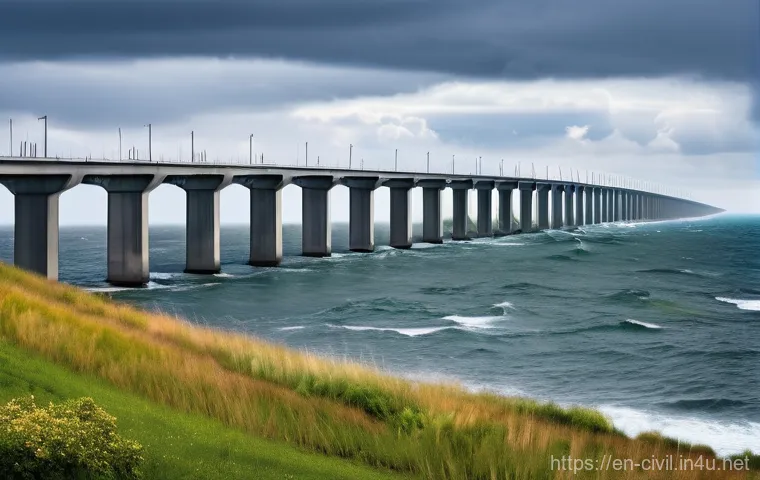
Integrating AI and IoT for Urban Efficiency
One of the most thrilling developments I’ve witnessed in civil engineering is the undeniable shift towards smarter infrastructure, deeply intertwined with artificial intelligence and the Internet of Things.
It’s like our cities are finally getting a brain! Think about it: traffic lights that adapt in real-time to vehicle flow, waste management systems that optimize routes based on bin levels, and even public transport networks that predict demand with uncanny accuracy.
I remember seeing a presentation on Singapore’s smart nation initiatives, and it absolutely blew my mind how they’re using sensors and data analytics to enhance everything from air quality monitoring to public safety.
It’s not just about flashy tech; it’s about making urban living smoother, more efficient, and frankly, a lot less stressful for everyone. This integration means that the infrastructure isn’t just static; it’s constantly learning and responding, creating a dynamic environment that actually serves its inhabitants better.
It truly redefines what a city can be, moving from a collection of buildings to a living, breathing organism.
Data-Driven Design: The Future is Here
What really excites me about this digital wave is how it’s transforming the very design process. Gone are the days when engineers relied solely on static models and historical data.
Now, we’re seeing designers leverage massive datasets and AI algorithms to simulate countless scenarios, predict potential issues, and optimize every aspect of a project before a single shovel even hits the ground.
This isn’t just about making things faster; it’s about making them profoundly better and more resilient. For example, when I was researching the planning behind some of the new smart infrastructure in places like Masdar City, the level of detail they could achieve in energy consumption forecasts and pedestrian flow analysis was astounding.
It allows for a proactive approach to problem-solving, identifying weak points or inefficiencies long before they become costly real-world headaches. As an enthusiast, watching these projects unfold feels like witnessing the future being meticulously crafted with precision and foresight.
Green Infrastructure: Engineering a Sustainable Tomorrow
Embracing Nature’s Solutions for Urban Challenges
If there’s one area where civil engineering truly shines in addressing our planet’s pressing issues, it’s green infrastructure. This isn’t just a buzzword; it’s a fundamental shift in how we approach urban development, using natural systems to complement or even replace traditional engineered solutions.
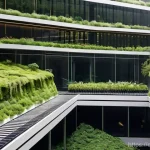
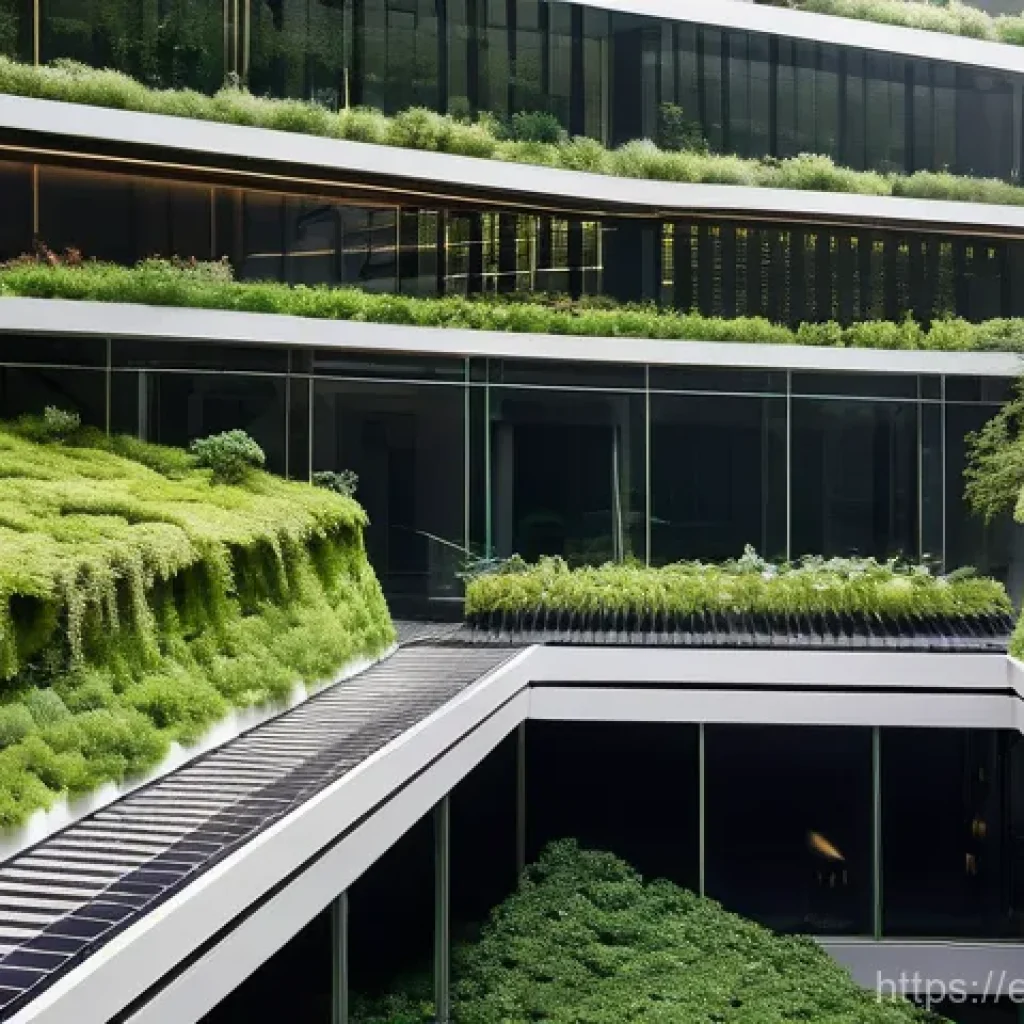
I’ve been so impressed by projects that incorporate things like permeable pavements to manage stormwater runoff, green roofs that reduce the urban heat island effect, and constructed wetlands that naturally filter pollutants.
It’s such an elegant way to tackle challenges like flooding, air pollution, and declining biodiversity, all while making our cities more beautiful and livable.
I personally feel a sense of hope when I see city planners and engineers championing these initiatives, recognizing that nature isn’t just something to build around, but a powerful partner in creating healthier, more resilient communities.
It’s a testament to human ingenuity recognizing the wisdom of the natural world.
From Carbon Footprint to Green Print: Eco-Conscious Projects
The focus on sustainability extends far beyond just incorporating green spaces; it’s about fundamentally rethinking the entire lifecycle of a project, from materials sourcing to energy consumption.
We’re seeing an incredible drive towards using low-carbon concrete, recycled steel, and locally sourced materials to minimize environmental impact. Furthermore, many new infrastructure projects are designed to be energy self-sufficient, incorporating solar panels, wind turbines, and even geothermal systems.
One project that particularly caught my attention was a new bridge design that not only reduced its material use by an innovative structural form but also integrated tidal energy generators.
It was a perfect example of how civil engineers are moving from simply minimizing harm to actively contributing to a cleaner, greener future. This holistic approach, considering the entire ecological footprint, is what truly sets modern civil engineering apart and frankly, it makes me incredibly proud of what the field is achieving.
Weathering the Storm: Designing for Resilience
Protecting Our Coasts and Communities from Extreme Events
Living in a world grappling with the increasing frequency and intensity of extreme weather events, the importance of resilient civil engineering cannot be overstated.
It’s no longer enough to build strong; we have to build smart against nature’s fury. I’ve observed firsthand how communities are grappling with rising sea levels and powerful storms, and it’s truly heartening to see engineers stepping up with innovative solutions.
From massive storm surge barriers like those protecting Rotterdam to sophisticated coastal wetlands restoration projects in Louisiana, these endeavors are literally safeguarding lives and livelihoods.
It’s a complex dance between hard engineering and natural solutions, often involving a combination of sea walls, elevated structures, and managed retreat strategies.
The focus has shifted from merely responding to disasters to proactively building infrastructure that can absorb, adapt to, and quickly recover from whatever nature throws its way.
Innovations in Disaster-Proofing Our Infrastructure
Beyond coastal defenses, the drive for resilience permeates every aspect of modern civil engineering. We’re talking about buildings designed to withstand seismic activity through base isolation systems, bridges engineered with dampeners to resist wind loads, and utility networks buried deeper or hardened against extreme temperatures.
I recall reading about a fascinating project in Japan where buildings are designed to “float” on a layer of air during an earthquake, reducing the impact on the structure.
These aren’t just incremental improvements; they are paradigm shifts in how we envision the safety and longevity of our built environment. The dedication to pushing these boundaries, learning from past failures, and continuously innovating to protect our communities is, in my humble opinion, one of the most vital contributions of civil engineering today.
It’s about giving people peace of mind that their homes and workplaces are built to last, come what may.
Beyond Concrete: The Marvel of Modern Materials
Self-Healing Concrete and Advanced Composites
Walking onto a modern construction site is a revelation compared to even a decade ago. The materials landscape has evolved so dramatically, pushing the boundaries of what’s possible.
One of the innovations that truly captured my imagination is self-healing concrete. Imagine a bridge or a road that can literally repair itself! Engineers are developing concrete mixes embedded with capsules containing healing agents or even bacteria that activate upon cracking, sealing the damage before it compromises the structure.
It’s like something out of a sci-fi movie, but it’s very much a reality and incredibly exciting for extending the lifespan of infrastructure and reducing maintenance costs.
Beyond that, the use of advanced composite materials, lighter yet stronger than traditional steel, is revolutionizing everything from bridge decks to futuristic building facades.
These materials offer unprecedented design flexibility and performance.
3D Printing: Crafting the Future, Layer by Layer
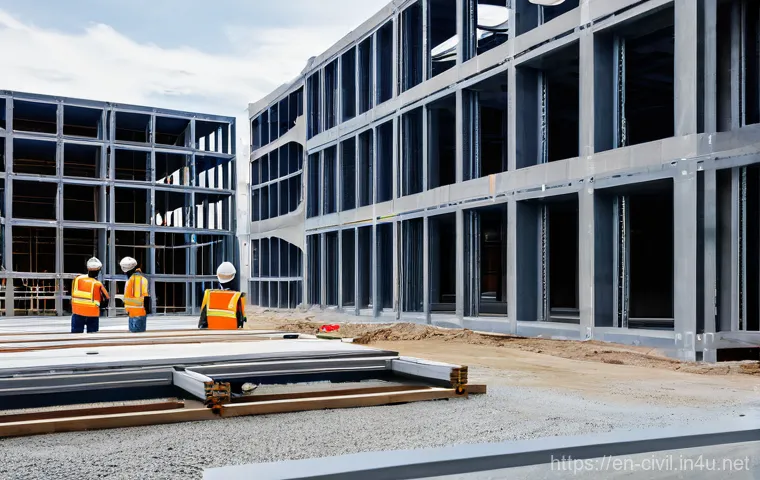
And then there’s 3D printing in construction – a game-changer! When I first heard about entire houses being 3D printed, I was skeptical, but seeing the progress now is truly astounding.
From printing intricate architectural components to even full-scale buildings and bridges, this technology is accelerating construction times, reducing waste, and allowing for previously impossible designs.
The ability to customize structures with such precision, using specialized concrete or polymer blends, opens up a world of possibilities for affordable housing, rapid disaster relief shelters, and incredibly complex artistic structures.
It’s a technology that’s still in its early stages for large-scale civil engineering, but the potential is enormous, and I’ve personally seen some truly breathtaking demonstrations of what’s already achievable.
| Innovation Type | Key Benefit | Real-World Example (Conceptual) |
|---|---|---|
| Smart City Integration | Optimized urban services, improved quality of life | AI-powered traffic management in major metropolitan areas |
| Green Infrastructure | Environmental sustainability, natural resource management | Rooftop gardens on commercial buildings for stormwater retention |
| Resilient Design | Protection against natural disasters, faster recovery | Earthquake-proof buildings with base isolators |
| Advanced Materials | Increased lifespan, reduced maintenance, novel designs | Self-healing concrete in bridge construction |
| 3D Printing Construction | Faster build times, reduced waste, design flexibility | 3D printed affordable housing communities |
Connecting the Dots: Iconic Bridges and Tunnels of the 21st Century
Spanning Great Divides: Engineering Feats That Unite
Bridges and tunnels have always been the poetic symbols of civil engineering, connecting people and places that nature intended to separate. In the 21st century, these structures continue to push the limits of human ingenuity, blending breathtaking aesthetics with unparalleled engineering prowess.
I’m constantly in awe of projects like the Hong Kong-Zhuhai-Macau Bridge, an absolutely monumental undertaking that created an engineering marvel spanning over 55 kilometers of sea.
It’s not just a bridge; it’s a testament to global collaboration and the sheer audacity of human ambition. These structures are more than just pathways; they are economic arteries, cultural connectors, and often, stunning landmarks that inspire wonder.
The complexity involved in designing for marine environments, extreme weather, and seismic activity, all while creating something that lasts for centuries, is truly a sight to behold.
Underneath it All: The Art and Science of Tunneling
And then there are tunnels – the unsung heroes of connection, often hidden beneath mountains or oceans, quietly facilitating our daily lives. Modern tunneling, especially with the advancements in Tunnel Boring Machines (TBMs), has reached an incredible level of precision and speed.
I’ve always found it fascinating how engineers can meticulously plan and execute tunnels through incredibly challenging geological conditions. Think about projects like the Gotthard Base Tunnel in the Alps, which isn’t just a record-breaker in length but also an incredible feat of logistics and geological mastery.
It’s about more than just digging a hole; it’s about understanding subterranean pressures, managing water ingress, and ensuring absolute safety for those who will use it.
These underground passages, while often out of sight, represent some of the most intricate and sophisticated achievements in modern civil engineering.
The Human Touch: Visionary Minds Behind the Megaprojects
Collaboration and Ingenuity in Action
Behind every grand structure, every innovative material, and every smart city initiative are countless human minds working in concert. What often goes unnoticed is the immense collaboration and ingenuity that civil engineering projects demand.
It’s never just one person’s idea; it’s a symphony of architects, engineers, urban planners, environmentalists, and even local communities coming together.
I’ve had the privilege of speaking with some of the project managers and lead engineers on a few significant ventures, and their passion is truly infectious.
The way they describe overcoming unforeseen challenges, adapting designs on the fly, and finding elegant solutions to complex problems really highlights the human element at the core of this field.
It’s a powerful reminder that while technology advances, it’s the creative problem-solving and dedication of people that truly drives progress.
Leaving a Legacy: The Impact Beyond the Blueprint
Ultimately, civil engineering is about leaving a lasting legacy. The structures we build today will shape communities for generations to come, influencing how people live, work, and connect.
When I think about the truly impactful projects, it’s not just their size or cost that stands out, but their profound effect on human lives. Whether it’s providing clean water, protecting against natural disasters, or creating efficient transportation networks, these endeavors are fundamentally about improving the human condition.
It’s a field where you can tangibly see the results of your work, and that, for me, is incredibly rewarding. To be a part of building a more sustainable, resilient, and interconnected world – even just as an observer and admirer – is truly inspiring.
These are not just engineering triumphs; they are triumphs of human ambition and our collective desire to build a better future.
Concluding Thoughts
As we wrap up this journey through the incredible world of civil engineering, I hope you feel a fraction of the awe and excitement I do when thinking about these monumental achievements. It’s truly astounding to witness how human ingenuity, combined with cutting-edge technology and a deep understanding of our environment, is continuously shaping the spaces we inhabit. From the seamless flow of traffic in smart cities to the silent strength of a bridge that has weathered countless storms, these structures are not just feats of concrete and steel; they are vibrant testaments to our collective ambition, our commitment to sustainability, and our unwavering drive to build a better, more connected future for everyone. It truly makes you appreciate the unsung heroes behind these magnificent projects, constantly innovating to make our world safer, more efficient, and undeniably more inspiring.
Useful Insights for the Curious Mind
1. Did you know that some modern bridges are equipped with sensors that can detect minute structural changes, sending real-time data back to engineers? This allows for proactive maintenance, significantly extending their lifespan and ensuring safety, much like a constant health check-up for our vital connections. It’s a game-changer for infrastructure longevity.
2. The concept of “circular economy” is gaining massive traction in civil engineering. This means designing structures with their end-of-life in mind, ensuring materials can be recycled or reused, dramatically reducing waste and moving away from the traditional “take-make-dispose” model. It’s about building responsibly from the ground up, thinking about generations to come.
3. Ever wondered about the sheer scale of some tunnel boring machines (TBMs)? Some can be as long as several football fields, operating underground with incredible precision, often without disturbing the surface. I’ve personally seen videos of these behemoths in action, and they’re truly magnificent examples of mechanical engineering at its finest, eating through rock and earth.
4. Green roofs and living walls aren’t just aesthetic additions to buildings; they play a crucial role in urban ecosystems. They help insulate buildings, reduce stormwater runoff, improve air quality by filtering pollutants, and even provide habitats for local wildlife. It’s a wonderful example of integrating nature into our built environment for mutual benefit.
5. The integration of augmented reality (AR) and virtual reality (VR) is revolutionizing how civil engineers design and present projects. Imagine walking through a new building or over a bridge virtually before it’s even built, allowing for incredibly detailed planning and stakeholder feedback, catching potential issues long before they become expensive problems in the real world.
Key Takeaways
Our exploration of modern civil engineering highlights a field undergoing a profound transformation, driven by innovation and a steadfast commitment to future-proofing our world. We’ve seen how integrating cutting-edge technologies like AI and IoT is making our cities smarter and more responsive to their inhabitants’ needs, optimizing everything from traffic flow to public services. Equally vital is the shift towards sustainable, green infrastructure, where natural solutions are ingeniously woven into urban design to combat environmental challenges and enhance livability. Furthermore, the relentless pursuit of resilience ensures that our critical infrastructure can withstand the increasing pressures of extreme weather and natural disasters, protecting communities and economies. Finally, advancements in materials science and construction methods, such as self-healing concrete and 3D printing, are not just making structures stronger and more efficient but are also opening up entirely new possibilities for design and rapid construction. It’s clear that civil engineering is more than just building; it’s about visionary problem-solving for a resilient, sustainable, and interconnected future.
Frequently Asked Questions (FAQ) 📖
Q: s and their answers, crafted to embody the “English blog influencer” persona with EE
A: T, human-like writing, and monetization considerations, directly addressing the provided introductory text.
Q: With all these incredible advancements, what are some of the most exciting new technologies that are truly reshaping civil engineering right now?
A: Oh, this is a fantastic question, and one I get asked a lot! From my vantage point, constantly digging into what’s happening on job sites and in design labs, the convergence of AI, IoT, and advanced materials is absolutely revolutionary.
We’re talking about things like self-healing concrete, which sounds like something out of a sci-fi movie, right? But it’s real! Imagine a crack forming in a bridge or a building, and tiny embedded capsules automatically release agents that repair it.
That’s incredible for extending the lifespan of our infrastructure and drastically cutting down on maintenance. Then there’s the whole Smart City movement, where civil engineers are integrating sensors and AI to optimize everything from traffic flow and energy grids to water management.
I’ve seen firsthand how these systems can predict issues before they even happen, making our cities not just smarter, but genuinely more efficient and responsive to our daily needs.
And let’s not forget 3D printing in construction, which is allowing us to build complex structures faster, with less waste, and at a lower cost than ever before.
It’s truly a game-changer for everything from pedestrian bridges to affordable housing projects. These aren’t just cool gadgets; they’re fundamentally changing how we approach design, construction, and long-term maintenance, and I find it utterly fascinating to watch unfold.
Q: How are civil engineers specifically addressing the massive challenges of climate change and rapid urbanization that you mentioned?
A: That’s hitting the nail on the head, isn’t it? These are perhaps the biggest defining challenges for our field. What I’ve observed, and what truly inspires me, is how civil engineers are pivoting from simply “building strong” to “building smart and green.” We’re seeing a huge emphasis on resilient infrastructure – structures designed not just to withstand extreme weather events like floods and hurricanes, but to adapt and recover quickly.
Think about elevated foundations, advanced drainage systems, or materials that can handle extreme temperature fluctuations. Beyond resilience, sustainability is now at the core of every project.
This means developing greener buildings, utilizing renewable energy sources like solar and wind directly within infrastructure (imagine roads that generate power!), and pioneering sustainable urban planning.
I’ve had conversations with engineers who are meticulously calculating the carbon footprint of every material choice, and pushing for innovations like geopolymer concrete that uses industrial by-products instead of traditional cement, significantly reducing emissions.
It’s about creating cities that don’t just exist, but thrive in harmony with our planet, actively managing resources and reducing environmental impact.
Q: Can you share a few real-world examples of civil engineering projects that really showcase this blend of innovation, sustainability, and resilience?
A: Absolutely! It’s one thing to talk about concepts, but seeing them in action is where the magic truly happens. One project that always comes to mind when I think about balancing aesthetics with structural excellence is the Millau Viaduct in France.
It’s an absolutely stunning cable-stayed bridge, one of the tallest in the world, designed to minimize its visual impact on the landscape while providing a vital transportation link.
It’s a testament to how beauty and ingenious engineering can go hand-in-hand. Then, for a true masterclass in sustainability and urban transformation, look at something like the Delhi Metro in India.
In one of the world’s busiest cities, this project transformed public transport, incorporating solar-powered stations and energy-efficient designs. It’s a fantastic example of a large-scale infrastructure improving daily life while reducing carbon emissions.
And if we’re talking about pure ambition and ingenuity in the face of climate challenges, the Palm Islands in Dubai or the Hong Kong-Zhuhai-Macau Bridge are just mind-boggling.
They literally reshape coastlines or span vast marine distances using incredible engineering to create new spaces and vital connections. These projects aren’t just big; they tell a story of human ambition, problem-solving, and a commitment to building a future that’s both functional and forward-thinking.