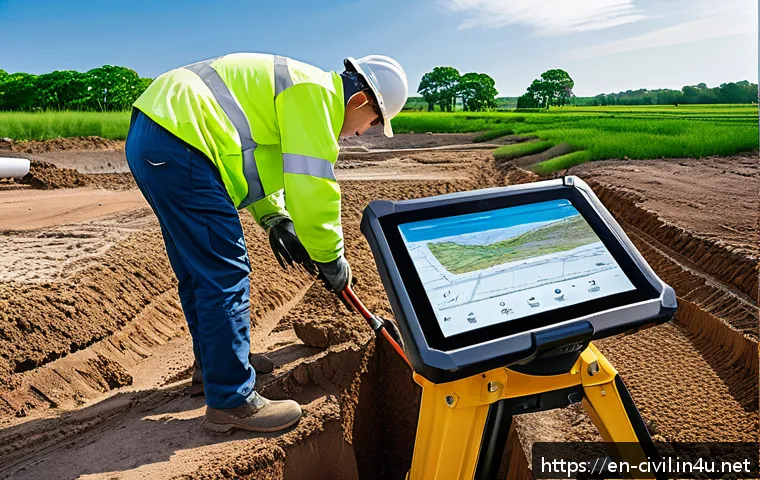
In today’s fast-evolving world of design and construction, understanding the distinct roles of civil engineering and architecture is more important than ever.

With sustainable building practices and smart city concepts gaining momentum, aspiring professionals often find themselves at a crossroads when choosing their career path.
Whether you’re fascinated by the technical backbone that supports structures or captivated by the artistic vision that shapes them, knowing the core differences can set you up for success.
Let’s dive into what separates these two fields and uncover what each has to offer for your future. Stick around—you might just discover which path resonates with your passion and goals.
Foundations of Civil Engineering and Architectural Design
The Technical Backbone of Civil Engineering
Civil engineering is fundamentally about creating the infrastructure that supports modern life. It’s the discipline that ensures roads, bridges, tunnels, and water systems are not only functional but also safe and durable.
What fascinates me about civil engineering is its reliance on physics, materials science, and environmental considerations to solve real-world problems.
When I first worked on a local bridge inspection project, I realized how much precision and calculation go into making structures withstand natural forces like earthquakes and floods.
Civil engineers often engage with heavy-duty software to model structural behaviors, optimize materials, and comply with strict safety regulations. Their role is deeply rooted in practicality and long-term sustainability.
The Artistic Vision of Architecture
On the flip side, architecture blends creativity with functionality. Architects are the storytellers of space, crafting buildings that not only shelter but inspire.
Their work begins with sketches and mood boards before evolving into detailed plans that balance aesthetics, human experience, and environmental harmony.
In my experience, architects must juggle client desires, zoning laws, and innovative design principles. I remember attending a design review where the team debated the flow of natural light through a public library—decisions like this transform a structure from merely a building into a beloved community landmark.
Architecture demands imagination paired with an understanding of materials and construction methods, bridging the gap between art and engineering.
Project Involvement and Responsibilities
Scope and Scale in Civil Engineering Projects
Civil engineers typically oversee large-scale projects that impact public infrastructure. Their responsibilities often include site analysis, environmental impact assessments, and ensuring compliance with government regulations.
For example, when working on highway expansions, engineers must consider traffic flow, soil stability, and drainage systems. I found that managing such multifaceted tasks requires strong project management skills and collaboration with government agencies and contractors.
The goal is to create infrastructure that serves communities safely and efficiently for decades.
Design and Client Interaction in Architecture
Architects engage more directly with clients and end-users, translating visions into tangible environments. Their duties involve conceptual design, material selection, and interior spatial planning.
Architects also conduct presentations and revisions based on client feedback, which I’ve seen firsthand can be quite dynamic and challenging. A memorable project I participated in involved designing a boutique hotel where client preferences shifted multiple times, requiring flexibility and creative problem-solving.
Architects also coordinate with engineers to ensure their artistic concepts are structurally feasible, highlighting the collaborative nature of the construction process.
Education and Skill Sets Required
Core Competencies in Civil Engineering
Civil engineering education focuses heavily on mathematics, physics, and specialized courses such as structural analysis, geotechnics, and hydraulics.
Hands-on experience is crucial, often gained through internships and fieldwork. From my conversations with engineers, strong analytical skills and attention to detail are non-negotiable.
Tools like AutoCAD, Civil 3D, and GIS software become second nature, enabling engineers to draft precise plans and analyze complex data. Problem-solving under pressure is another essential skill, especially when unexpected site conditions arise.
Architectural Training and Creative Development
Architecture programs emphasize design studios, history of architecture, and computer-aided design (CAD) software such as Revit and SketchUp. Students develop a portfolio showcasing their ability to create innovative and practical designs.
I recall a former architecture student telling me how studio critiques pushed them to refine their ideas continuously, fostering both resilience and creativity.
Communication skills are also vital, as architects must clearly articulate concepts to clients and construction teams. Balancing artistic flair with technical knowledge defines the architectural education journey.
Impact on Society and Environment
Civil Engineering’s Role in Sustainability
Civil engineers play a pivotal role in shaping sustainable infrastructure that minimizes environmental impact. Whether it’s designing energy-efficient water treatment plants or implementing green transportation systems, their work directly affects public health and resource conservation.
In my experience visiting a LEED-certified wastewater facility, I was impressed by the integration of renewable energy sources and waste recycling processes.
Civil engineers increasingly adopt eco-friendly materials and smart technologies to reduce carbon footprints and enhance resilience against climate change.

Architectural Contributions to Livable Spaces
Architecture influences how people interact with their environments, affecting quality of life and community well-being. Sustainable architecture incorporates passive design, natural ventilation, and locally sourced materials to reduce energy consumption.
I’ve noticed a growing trend in biophilic design, where architects integrate natural elements to promote mental health and productivity. Designing public spaces that foster social connections and inclusivity is another critical aspect.
Architects often lead the charge in creating iconic yet responsible structures that resonate culturally and environmentally.
Collaboration Between Engineers and Architects
Bridging Creativity and Practicality
Successful projects hinge on the seamless collaboration between civil engineers and architects. Architects bring visionary designs, while engineers ensure these visions stand up to real-world demands.
From my experience attending joint planning meetings, this collaboration requires mutual respect and clear communication. Engineers provide critical feedback on structural feasibility, material constraints, and cost implications, while architects advocate for design integrity and user experience.
Technology as a Collaborative Tool
Building Information Modeling (BIM) has revolutionized teamwork by allowing architects and engineers to work on integrated digital models. I witnessed a project where BIM helped detect clashes between structural elements and architectural features early on, saving time and reducing costly revisions.
This technology fosters transparency and efficiency, enabling all parties to visualize and optimize the design and construction process collectively.
Career Paths and Opportunities
Variety Within Civil Engineering
Civil engineering offers diverse career options, from structural and environmental engineering to transportation and geotechnical specialties. I know professionals who started in construction management but later transitioned into sustainable infrastructure consulting.
The field often provides stable government jobs, private sector roles, and research opportunities. For those who enjoy problem-solving and hands-on work, civil engineering can be deeply rewarding.
Architectural Specializations and Growth
Architecture careers can branch into urban design, landscape architecture, interior design, or historic preservation. I’ve met architects who pivoted towards sustainable design consultancy or digital visualization, blending technology with creativity.
While the path can be competitive, those with a strong portfolio and adaptability find ample opportunities in both large firms and boutique studios. Architects who cultivate strong client relationships and technical expertise often enjoy long-term career growth and creative fulfillment.
| Aspect | Civil Engineering | Architecture |
|---|---|---|
| Primary Focus | Infrastructure design, safety, and functionality | Building aesthetics, spatial experience, and form |
| Typical Projects | Bridges, roads, water systems, tunnels | Residential buildings, commercial spaces, cultural landmarks |
| Core Skills | Mathematics, physics, structural analysis, project management | Design creativity, CAD software, client communication |
| Work Environment | Fieldwork, construction sites, engineering offices | Design studios, client meetings, site visits |
| Impact | Public safety, sustainable infrastructure, environmental protection | Human experience, cultural expression, sustainable design |
| Collaboration | Works closely with architects and contractors | Coordinates with engineers and clients |
Conclusion
Understanding the distinct yet interconnected roles of civil engineering and architecture reveals how they together shape the world around us. Civil engineers provide the essential structural foundation, while architects infuse creativity and human-centered design. Both fields require a blend of technical expertise and innovative thinking, contributing to safe, sustainable, and inspiring environments. Their collaboration ultimately transforms ideas into lasting realities that serve communities worldwide.
Useful Information to Know
1. Civil engineering focuses on infrastructure such as roads, bridges, and water systems, emphasizing safety and durability.
2. Architecture combines artistic vision with practical design to create spaces that enhance human experience.
3. Both professions demand specialized education and hands-on experience, including proficiency in industry-standard software.
4. Sustainable practices are increasingly central, with engineers and architects integrating eco-friendly materials and technologies.
5. Collaboration through tools like Building Information Modeling (BIM) improves efficiency and helps avoid costly mistakes during construction.
Key Takeaways
Civil engineering and architecture serve complementary purposes: engineers focus on the technical integrity and longevity of structures, while architects prioritize aesthetics and user experience. Both require strong communication and project management skills to successfully navigate complex projects. Embracing sustainability and innovative technology is vital in today’s landscape, ensuring designs are environmentally responsible and resilient. Ultimately, their partnership drives the creation of functional, beautiful, and enduring built environments.
Frequently Asked Questions (FAQ) 📖
Q: What are the main differences between civil engineering and architecture?
A: Civil engineering primarily focuses on the structural integrity, safety, and functionality of infrastructure like bridges, roads, and buildings. It’s a highly technical field involving physics, materials science, and mathematics to ensure that projects can withstand environmental stresses and usage over time.
Architecture, on the other hand, centers on the design, aesthetics, and usability of spaces. Architects shape how buildings look and feel, considering human experience, cultural context, and creative expression.
So, while civil engineers make sure a building stands strong, architects make sure it inspires and functions beautifully.
Q: Can someone work in both civil engineering and architecture, or are they completely separate career paths?
A: While civil engineering and architecture are distinct professions with different educational requirements and licensure, there’s definitely some overlap, especially in collaborative projects.
Some professionals start in one field and gain skills or certifications in the other to broaden their expertise. However, becoming licensed in both is rare and requires significant commitment.
If you’re passionate about both the technical and creative sides of building, exploring interdisciplinary roles—like structural engineering with a design focus or architectural engineering—might be a great way to blend these interests.
Q: How do sustainable building practices influence the roles of civil engineers and architects today?
A: Sustainability has become a core consideration in both fields, but each approaches it differently. Architects often lead by designing energy-efficient layouts, using eco-friendly materials, and maximizing natural light and ventilation to reduce environmental impact.
Civil engineers contribute by developing sustainable infrastructure systems, like efficient water management, renewable energy integration, and resilient structural designs that minimize resource use.
Together, their collaboration ensures that buildings and infrastructure not only meet today’s needs but also protect the planet for future generations.
From my experience, projects that prioritize sustainability require close teamwork between these experts to succeed.