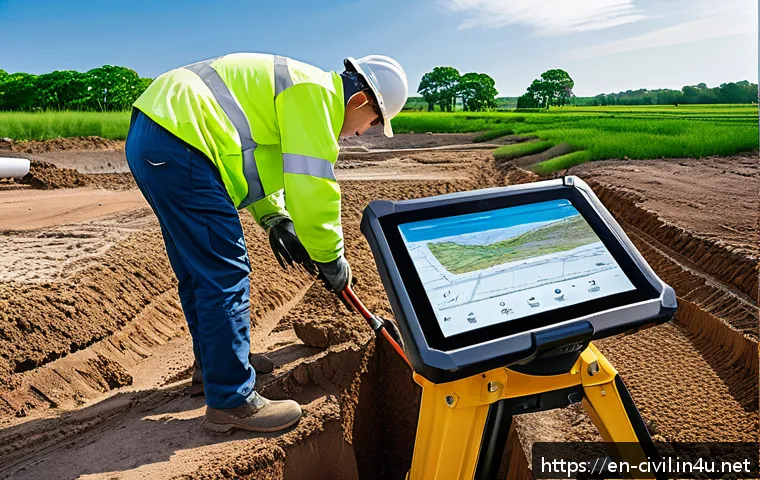
In today’s fast-paced construction industry, even minor oversights in civil engineering design can lead to significant cost overruns and project delays.
With emerging technologies and stricter regulations shaping the landscape, staying ahead means having a solid checklist to navigate complexities efficiently.
Whether you’re a seasoned engineer or just stepping into the field, understanding the essentials can save you from costly mistakes and stressful setbacks.
Let’s dive into key design considerations that ensure your projects run smoothly and on budget. Ready to boost your confidence and streamline your workflow?
Keep reading for practical tips that have made a real difference in my own experience.
Understanding Site Conditions and Soil Analysis
Evaluating Geotechnical Reports Thoroughly
Before laying down any design plans, it’s crucial to dig deep into geotechnical reports. These documents reveal soil types, bearing capacity, groundwater levels, and potential hazards.
From my experience, overlooking subtle notes on soil compaction or moisture content can cause foundation failures or unexpected settlement, leading to costly revisions.
I always double-check these parameters against site visits to confirm the data aligns with real conditions. Doing so helps me anticipate challenges like soil liquefaction or erosion, allowing design adjustments early on instead of scrambling mid-project.
Assessing Topography and Drainage Patterns
The land’s natural contours and how water flows through the site affect everything from foundation design to road placement. When I started paying closer attention to drainage paths, I noticed fewer issues with water pooling and soil weakening around structures.
Proper grading plans that complement existing slopes reduce erosion risk and avoid expensive stormwater management fixes. Ignoring these details often means retrofitting costly drainage systems later, so integrating topographic data into the initial design phase saves time and money.
Incorporating Environmental and Regulatory Constraints
Sites frequently come with environmental restrictions—wetlands, protected habitats, or contamination concerns. I’ve seen projects stall because these factors weren’t addressed upfront.
Early engagement with local authorities and environmental consultants ensures compliance with regulations and helps identify mitigation measures like buffer zones or soil remediation.
This proactive approach avoids fines and redesigns, keeping the project timeline intact.
Optimizing Structural Design for Efficiency and Safety
Material Selection Based on Load and Durability
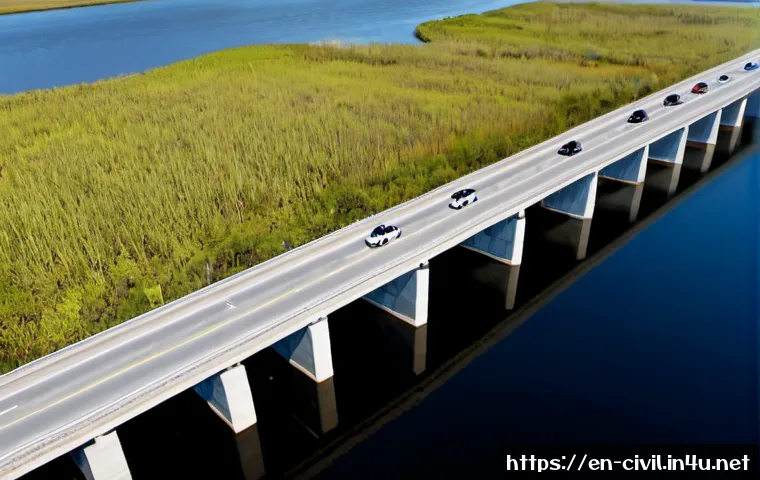
Choosing the right materials isn’t just about cost—it’s about matching performance to environmental conditions and load demands. I once switched from traditional concrete to high-performance fiber-reinforced concrete for a bridge deck, which improved durability against freeze-thaw cycles and reduced maintenance costs.
It’s worth investing time to weigh options like steel grades, composites, or recycled materials, considering both upfront costs and lifecycle benefits.
Load Calculations and Safety Factors
Accurate load calculations are the backbone of safe structures. I always verify dead loads, live loads, wind loads, and seismic forces meticulously. Using conservative safety factors where uncertainties exist has saved projects from structural failures.
Over the years, I’ve found that collaboration with structural specialists during this phase enhances design robustness, especially for complex or large-scale infrastructure.
Incorporating Flexibility for Future Modifications
Civil projects often evolve after initial construction. Designing with adaptability in mind—such as modular components or accessible utility corridors—can reduce future retrofit expenses.
From experience, clients appreciate when designs anticipate growth or changes, making expansions smoother and less disruptive.
Enhancing Utility and Infrastructure Integration
Coordinating with Utility Providers Early
One of the trickiest parts of civil design is ensuring seamless integration of utilities like water, electricity, gas, and telecommunications. I’ve learned that early coordination with utility companies helps avoid conflicts or relocations during construction.
Mapping existing underground lines and planning for access points reduces surprises on site and prevents costly delays.
Designing for Efficient Traffic Flow and Accessibility
Whether it’s roadways, pedestrian paths, or parking areas, the layout needs to support smooth movement and safety. I tend to simulate traffic scenarios digitally to identify bottlenecks or potential hazards.
Incorporating ADA-compliant features and emergency access routes is essential, not just for regulatory compliance but also for long-term usability.
Planning Sustainable Stormwater and Waste Management
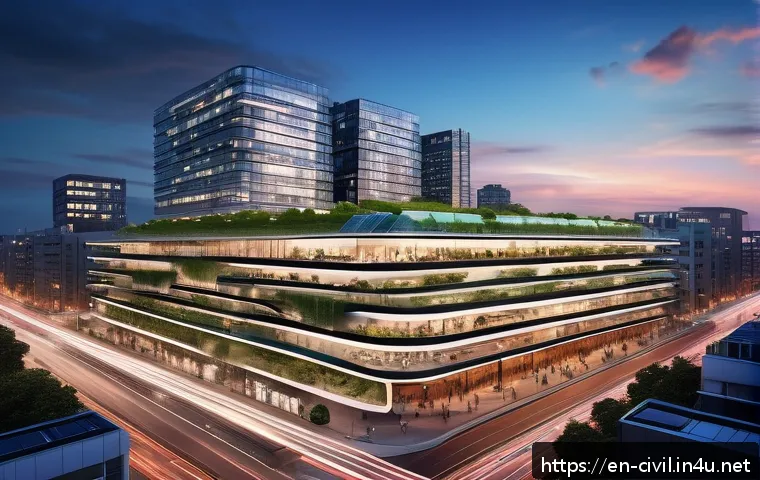
Stormwater management systems protect infrastructure and the environment. I often recommend green infrastructure solutions like bioswales, permeable pavements, or rain gardens, which mitigate runoff naturally.
Proper waste disposal planning during construction also minimizes environmental impact and keeps the site organized, contributing to overall project success.
Leveraging Technology for Precision and Collaboration
Utilizing BIM and 3D Modeling Tools
Building Information Modeling (BIM) has revolutionized how I approach design coordination. These tools provide a detailed 3D representation of all components, helping identify clashes between structures, utilities, and terrain early.
It’s like having a virtual walkthrough that highlights issues before ground is broken, saving significant rework costs and time.
Implementing Drones and GIS for Site Surveys
I’ve found drones invaluable for capturing real-time site data, especially in hard-to-reach or hazardous areas. Coupling drone imagery with Geographic Information Systems (GIS) allows me to analyze spatial data accurately, improving the quality of design decisions.
This approach also enhances stakeholder communication by visually demonstrating site conditions and progress.
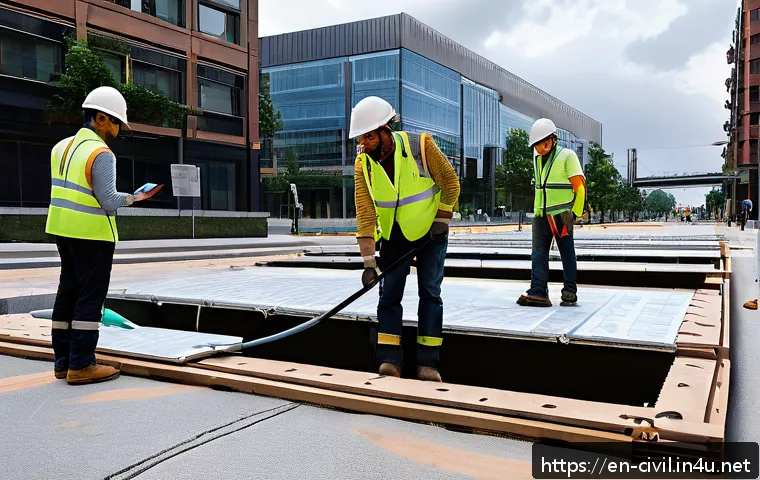
Adopting Cloud-Based Collaboration Platforms
Complex projects involve multiple teams and stakeholders. Moving away from email chains to cloud-based platforms keeps everyone aligned with the latest design versions, comments, and schedules.
This transparency reduces misunderstandings and accelerates decision-making, which I’ve noticed significantly improves project flow and morale.
Budget Management and Risk Mitigation Strategies
Breaking Down Cost Estimates in Detail
Accurate cost estimation starts with a granular breakdown of materials, labor, equipment, and contingencies. I always build in buffers for unforeseen conditions, based on past projects where unexpected soil issues or weather caused overruns.
Regularly revisiting estimates during design refinements helps keep budgets realistic and stakeholders informed.
Identifying and Prioritizing Project Risks
Risk management isn’t just a checklist; it’s a dynamic process. I categorize risks by likelihood and impact, focusing on those that threaten schedule and costs the most.
For example, regulatory approvals or supply chain delays often top my list. Developing mitigation plans—like alternative suppliers or phased permitting—minimizes disruption.
Implementing Value Engineering Without Compromising Quality
Value engineering is about optimizing performance while controlling costs. I’ve successfully reworked designs by substituting materials or simplifying structural elements that don’t affect safety or functionality.
Involving multidisciplinary teams in this exercise uncovers creative solutions that maintain quality but reduce expenses.
Ensuring Compliance and Quality Assurance
Staying Updated with Codes and Standards
Building codes and environmental regulations evolve constantly. I dedicate time regularly to review updates from organizations like ACI, AASHTO, and local agencies.
This vigilance ensures designs meet all legal requirements and industry best practices, preventing costly redesigns or legal complications later.
Implementing Rigorous Quality Control Procedures
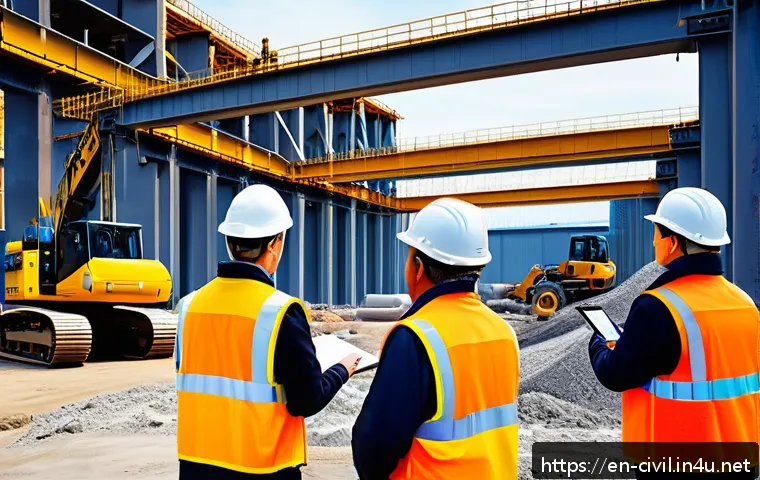
Quality assurance starts from design but extends through construction. I advocate for detailed inspection plans, material testing, and third-party audits.
On-site monitoring and documentation help catch deviations early. My hands-on involvement in QC processes has often prevented minor issues from escalating into major defects.
Preparing Thorough Documentation and Reporting
Complete and clear documentation supports transparency and accountability. I create comprehensive design reports, calculations, and revision logs that serve as references for contractors and regulators.
When disputes arise, these records become invaluable. Plus, they streamline future maintenance and modifications.
Summary Table of Key Civil Engineering Design Elements
| Design Aspect | Key Considerations | Common Pitfalls | Best Practices |
|---|---|---|---|
| Site Analysis | Soil properties, topography, environmental constraints | Ignoring soil variability, poor drainage planning | Field verification, early environmental assessment |
| Structural Design | Material selection, load factors, adaptability | Underestimating loads, inflexible designs | Conservative safety margins, modular components |
| Utility Integration | Coordination with providers, traffic flow, stormwater | Utility conflicts, inadequate access routes | Early coordination, ADA compliance, green infrastructure |
| Technology Use | BIM, drones, cloud collaboration | Lack of data integration, poor communication | 3D clash detection, real-time updates |
| Budget & Risk | Detailed estimates, risk prioritization, value engineering | Underestimated contingencies, ignoring risks | Regular estimate reviews, risk mitigation plans |
| Compliance & QA | Codes, quality control, documentation | Outdated standards, inadequate inspections | Ongoing code review, thorough reporting |
Conclusion
Understanding the complexities of site conditions and integrating careful design strategies are essential for successful civil engineering projects. By thoroughly evaluating soil data, optimizing structural choices, and embracing modern technology, we can enhance safety, efficiency, and sustainability. Early collaboration and risk management pave the way for smoother execution and long-term project success. Keeping these principles in mind helps avoid costly setbacks and ensures resilient infrastructure.
Useful Information to Remember
1. Always verify geotechnical data with on-site observations to catch discrepancies early and avoid foundation issues.
2. Incorporate natural topography and drainage patterns into design plans to minimize erosion and stormwater problems.
3. Engage environmental and regulatory experts early to ensure compliance and prevent costly project delays.
4. Use advanced tools like BIM, drones, and cloud platforms to improve design accuracy and team collaboration.
5. Regularly update cost estimates and prioritize risks to keep budgets realistic and manage uncertainties effectively.
Key Takeaways
Successful civil engineering design hinges on a comprehensive understanding of site conditions, including soil characteristics and environmental factors. Structural efficiency requires careful material selection and flexible planning to accommodate future changes. Early utility coordination and sustainable infrastructure design enhance functionality and reduce conflicts. Leveraging modern technology streamlines workflows and improves precision. Finally, diligent budget oversight and adherence to codes ensure projects are completed safely, on time, and within budget.
Frequently Asked Questions (FAQ) 📖
Q: uestionsQ1: What are the most critical design factors to prevent cost overruns in civil engineering projects?
A: From my experience, the biggest cost traps often come from underestimating site conditions and ignoring regulatory requirements early on. It’s crucial to conduct thorough site assessments and engage with local authorities right at the start.
Also, factoring in realistic timelines for approvals and material procurement can save you from nasty surprises. I’ve found that having a detailed checklist that covers soil testing, environmental impact, and compliance checks helps keep the budget intact and the project on schedule.
Q: How can emerging technologies improve the efficiency of civil engineering design processes?
A: I’ve seen firsthand how tools like Building Information Modeling (BIM) and drone surveys revolutionize project planning. BIM allows for a 3D visualization of the design, which helps catch potential conflicts before construction begins.
Drones provide accurate site data quickly, reducing manual survey errors. Integrating these technologies not only speeds up decision-making but also improves collaboration among teams, which ultimately cuts down delays and unexpected costs.
Q: What are common pitfalls for new civil engineers when managing design complexities?
A: One thing I often notice is that newcomers tend to overlook the importance of cross-disciplinary communication. Civil engineering designs don’t happen in isolation—they involve architects, contractors, and environmental experts.
Missing out on early collaboration can lead to design clashes and rework. Also, not keeping up with the latest codes and standards can cause compliance headaches.
My advice is to actively seek input from all stakeholders and regularly update your knowledge to avoid these costly setbacks.