In today’s fast-evolving world, tackling complex civil engineering projects demands more than just traditional methods. Innovative problem-solving has emerged as a game-changer, turning seemingly insurmountable challenges into successful realities.
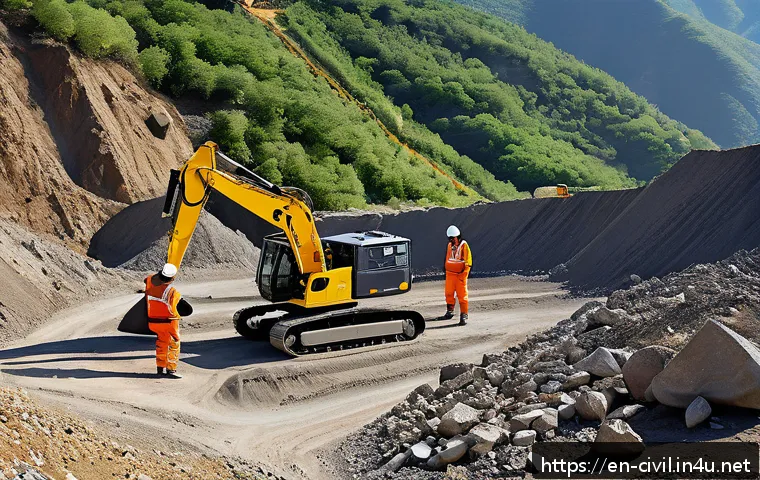
Whether it’s navigating unpredictable site conditions or integrating cutting-edge technology, these fresh approaches are reshaping how we build the infrastructure of tomorrow.
If you’ve ever wondered how creativity meets engineering precision on massive construction sites, you’re in the right place. Let’s explore how innovation is transforming the very foundation of civil engineering.
Embracing Digital Tools for Enhanced Project Management
Integrating Building Information Modeling (BIM) for Real-Time Collaboration
One of the most transformative innovations in civil engineering project management is the adoption of Building Information Modeling (BIM). Unlike traditional blueprints or static plans, BIM creates a dynamic, 3D digital model of the entire project that updates in real time.
From my own experience on a recent highway expansion project, having access to BIM allowed all stakeholders—including architects, engineers, and contractors—to collaborate seamlessly.
We could instantly spot potential clashes between structural elements and utility lines, avoiding costly rework. This kind of coordination dramatically speeds up decision-making and helps keep the project on schedule.
BIM also serves as a valuable record for maintenance and future upgrades, turning a one-time design tool into a long-term asset.
Leveraging Drones and Remote Sensing for Site Surveys
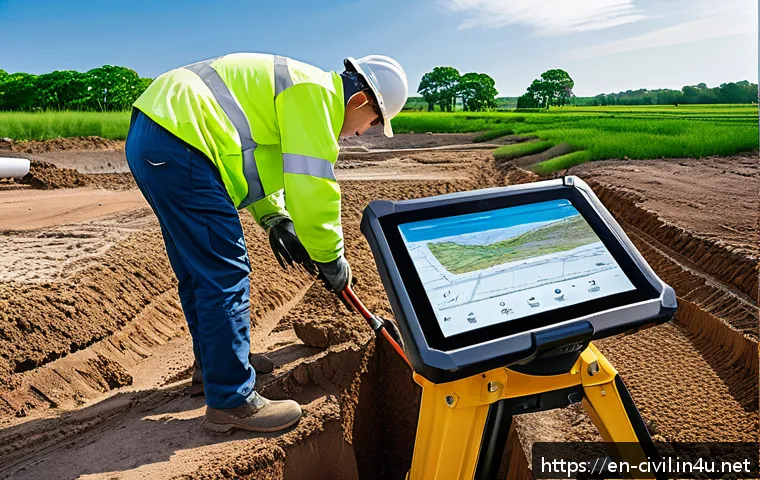
Drones have become indispensable for conducting surveys, especially in difficult terrain or hazardous environments. In a mountainous bridge construction I worked on, traditional survey methods would have taken weeks, involving risky climbs and extensive manpower.
Instead, we deployed drones equipped with LiDAR sensors to capture precise topographic data within days. This not only accelerated the initial planning phase but also allowed us to monitor environmental changes throughout construction, such as erosion or vegetation growth.
The high-resolution imagery and data collected helped identify issues early, reducing surprises during excavation and foundation work. From my perspective, integrating drone technology reduces human risk and enhances data accuracy, which is a win-win for any project.
Adopting Cloud-Based Project Dashboards for Transparency
In large-scale civil projects, keeping everyone on the same page is notoriously challenging. Cloud-based project dashboards have revolutionized this by providing a centralized platform where schedules, budgets, and progress reports are updated continuously.
On one urban infrastructure project I was involved with, this tool improved transparency between contractors and city officials. Everyone could track milestones, resource allocations, and change orders instantly.
When unexpected delays occurred due to weather, the dashboard allowed rapid rescheduling and communication, minimizing downtime. From my experience, these dashboards promote accountability and reduce miscommunication, which often cause delays and cost overruns.
Innovative Solutions to Complex Geotechnical Challenges
Deploying Advanced Soil Stabilization Techniques
Ground conditions often dictate the success or failure of civil projects. Encountering weak or unstable soil can stall progress and inflate costs. I recall a recent waterfront development where traditional compaction wasn’t enough to ensure stability.
The team introduced chemical soil stabilization using additives like lime and fly ash, which improved bearing capacity and reduced settlement risks. This method not only sped up construction but also enhanced long-term durability.
Additionally, the environmental impact was minimized compared to deep piling methods. Such chemical stabilization is proving to be a smart alternative in many urban projects where space and environmental regulations are tight.
Using Real-Time Monitoring for Foundation Integrity
Foundations form the backbone of any structure, and monitoring their integrity during construction is critical. In a high-rise project I participated in, we installed sensors embedded in the concrete piles to track stress, strain, and temperature fluctuations in real time.
This live data allowed engineers to detect anomalies instantly and adjust pouring sequences or curing processes accordingly. The confidence gained from continuous monitoring reduced the need for conservative safety margins, optimizing material use and saving costs.
Personally, having access to this data provided peace of mind and allowed the team to react proactively, preventing potential failures before they could happen.
Harnessing Sustainable Practices in Construction Operations
Incorporating Recycled Materials Without Compromising Strength
Sustainability is no longer an afterthought but a core driver in modern civil engineering. One exciting trend I’ve seen firsthand is the use of recycled aggregates and concrete in structural elements.
On a recent highway repair project, crushed concrete from demolished pavement was reused as a base layer, reducing landfill waste and cutting material costs.
Despite initial skepticism from some team members, testing confirmed that the recycled materials met all strength and durability standards. This approach not only supports environmental goals but also aligns with budget constraints, showing that green construction can be practical and profitable.
Implementing Energy-Efficient Equipment and Practices
Reducing the carbon footprint on construction sites is gaining traction, and energy-efficient machinery is a key part of this shift. During a tunnel excavation project, the contractor replaced older diesel-powered equipment with hybrid and electric alternatives.
This switch lowered fuel consumption and emissions significantly. Moreover, scheduling tasks to minimize idle equipment time and optimizing logistics routes further reduced energy use.
From my observation, these efforts create a more environmentally responsible worksite without sacrificing productivity, and often lead to long-term operational savings.
Optimizing Workflow Through Modular and Prefabricated Components
Speeding Up Construction with Prefabricated Structures
Prefabrication has been a game-changer in reducing on-site construction time and improving quality control. In a recent bridge replacement I was involved with, key components such as girders and deck panels were manufactured off-site under controlled conditions.
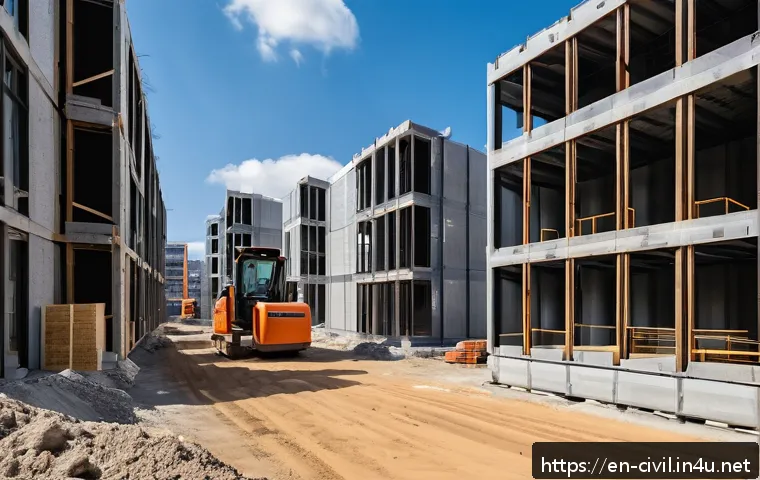
This approach minimized weather-related delays and allowed simultaneous site preparation and fabrication. Once delivered, the modules were quickly assembled, cutting the total project timeline by several months.
I found that prefabrication also reduced waste and improved safety by limiting the need for extensive scaffolding and heavy lifting on-site.
Modular Construction for Complex Urban Projects
In dense urban areas, modular construction offers unique advantages by minimizing disruption to surrounding communities. On a multi-use development, prefabricated modules for utility vaults and mechanical rooms were assembled off-site and craned into position during off-peak hours.
This method drastically reduced noise, dust, and traffic impact, which is always a concern in city projects. The precise manufacturing process also ensured tight tolerances and faster inspections.
From a practical standpoint, modular construction provides a flexible, less intrusive alternative to traditional methods, especially in space-constrained environments.
Advanced Safety Solutions for Hazardous Work Environments
Deploying Wearable Technology for Worker Health Monitoring
Worker safety remains paramount, and recent advances in wearable technology have added an extra layer of protection. In a deep excavation project, the team equipped workers with sensors that monitored vital signs and environmental conditions such as gas levels and temperature.
Alerts were sent instantly if any readings indicated danger, allowing supervisors to intervene before incidents occurred. I’ve noticed that these devices not only enhance safety but also improve worker morale, as employees feel more cared for.
The data collected also helps refine safety protocols for future projects.
Utilizing Robotics to Perform Dangerous Tasks
Robots and remote-operated machinery are increasingly used to handle hazardous or repetitive tasks. On a demolition site I visited, robotic arms performed high-risk concrete breaking and debris removal, significantly reducing human exposure to dust and falling debris.
These machines also maintained steady performance without fatigue, improving efficiency. While initial investment can be high, the reduction in workplace injuries and insurance costs often justifies the expense.
In my experience, robotics are becoming indispensable allies in creating safer construction environments.
Cost and Time Efficiency Through Smart Resource Allocation
Applying Data Analytics for Predictive Resource Management
Data-driven decision-making is reshaping how resources are allocated on construction sites. By analyzing historical project data and real-time inputs, predictive models can forecast material needs, labor requirements, and equipment utilization with remarkable accuracy.
On a recent infrastructure upgrade, this approach helped avoid over-ordering materials and prevented labor shortages during critical phases. From what I’ve seen, this reduces waste and downtime, ultimately lowering overall project costs and improving schedule adherence.
Streamlining Procurement with Just-in-Time Delivery
Just-in-time (JIT) delivery strategies have been adapted from manufacturing to civil projects to optimize inventory management. Coordinating deliveries to arrive exactly when needed limits on-site storage space and reduces the risk of material damage or theft.
During a bridge rehabilitation I worked on, JIT logistics required close collaboration with suppliers but resulted in a leaner site and smoother workflow.
This approach demands precise planning but pays off by cutting carrying costs and enhancing site safety.
| Innovation | Benefit | Example Application | Impact |
|---|---|---|---|
| Building Information Modeling (BIM) | Real-time collaboration and clash detection | Highway expansion project | Reduced rework, improved scheduling |
| Drones & Remote Sensing | Faster, safer, accurate site surveys | Mountainous bridge construction | Accelerated planning, risk reduction |
| Soil Stabilization with Chemicals | Enhanced ground bearing capacity | Waterfront development | Faster construction, eco-friendly |
| Prefabrication & Modular Construction | Reduced on-site time, better quality | Bridge replacement, urban development | Shorter timelines, less disruption |
| Wearable Safety Tech | Real-time worker health monitoring | Deep excavation projects | Improved safety, increased morale |
| Data Analytics for Resource Management | Optimized material & labor use | Infrastructure upgrades | Cost savings, schedule adherence |
Conclusion
Embracing innovative technologies and sustainable practices is reshaping civil engineering project management for the better. From real-time collaboration tools to eco-friendly materials, these advancements not only boost efficiency but also enhance safety and environmental responsibility. Integrating such solutions has proven invaluable in overcoming complex challenges and delivering projects on time and within budget. Staying open to new approaches will continue to drive progress in the construction industry.
Useful Information to Keep in Mind
1. Building Information Modeling (BIM) fosters seamless teamwork by providing real-time, 3D project visualization, reducing costly errors and delays.
2. Drone technology accelerates site surveys and improves safety by capturing precise data in hard-to-reach areas.
3. Chemical soil stabilization offers an eco-friendly alternative to traditional methods, enhancing ground strength while minimizing environmental impact.
4. Prefabrication and modular construction speed up timelines and reduce disruption, especially in busy urban environments.
5. Wearable safety devices and robotics are transforming hazardous work environments by improving monitoring and reducing risks for workers.
Key Takeaways
Successful civil engineering projects increasingly depend on integrating digital tools, sustainable methods, and advanced safety technologies. Real-time data and predictive analytics optimize resource use and minimize waste, while innovative construction techniques shorten schedules without compromising quality. Prioritizing worker safety through monitoring devices and automation creates safer job sites and boosts morale. Ultimately, embracing these strategies leads to cost-effective, timely, and environmentally responsible project delivery.
Frequently Asked Questions (FAQ) 📖
Q: uestionsQ1: How does innovative problem-solving improve the outcome of civil engineering projects?
A: Innovative problem-solving introduces creative and flexible approaches that go beyond traditional methods, allowing engineers to adapt to unexpected site conditions and complex challenges more effectively.
From using advanced materials to implementing smart technologies like drones and AI-driven modeling, these innovations reduce delays, cut costs, and enhance safety.
Based on my experience working on several urban infrastructure projects, embracing innovation often leads to smoother project execution and higher-quality results that stand the test of time.
Q: What are some examples of cutting-edge technologies currently transforming civil engineering?
A: Technologies such as Building Information Modeling (BIM), 3D printing for construction components, autonomous machinery, and real-time sensor monitoring are revolutionizing the field.
For instance, BIM enables detailed digital simulations that help detect design flaws early, saving significant resources. I’ve seen firsthand how using drones for site surveys accelerates data collection and improves accuracy, which is a game-changer when working in challenging terrains or tight schedules.
Q: How can creativity coexist with engineering precision in large-scale construction projects?
A: While engineering demands strict adherence to safety and structural standards, creativity plays a vital role in problem-solving and optimizing processes.
Creative thinking encourages exploring alternative designs, materials, and workflows that meet technical requirements while enhancing efficiency and sustainability.
In my projects, combining creativity with rigorous analysis has helped uncover innovative solutions, such as modular construction techniques, that maintain precision but significantly reduce build time.
This balance ultimately pushes the boundaries of what’s possible in civil engineering.