
Environmental impact assessments help civil engineering projects identify likely effects before construction begins and consider ways to reduce harm. They commonly address land, water, air quality, noise, habitats, and nearby communities across projects such as highways, dams, bridges, ports, and urban development.
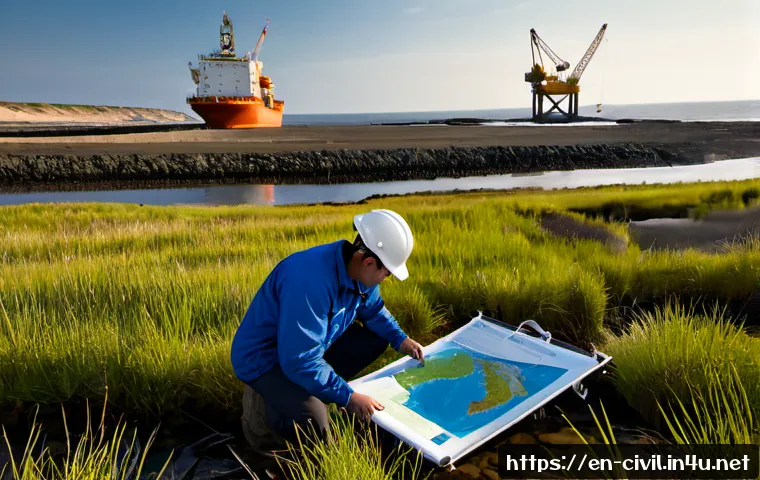
The assessment is not simply a checklist; it connects a project’s design, location, construction activities, and long-term operation with the conditions already present on the site.
It can also compare reasonable alternatives, including a no-action option where applicable. Because review rules differ by location and project type, the required process and level of detail must be confirmed for each case.
The examples below show how major civil engineering assessments are typically approached.
What an Environmental Impact Assessment Examines
An environmental impact assessment examines how a proposed civil engineering project could change its surroundings, both during construction and after the facility is in use. The review commonly considers land conditions, water resources, air quality, noise, ecosystems, and the people living or working nearby. Its purpose is to identify issues early enough for planners to adjust the project rather than treat environmental protection as an afterthought.
Baseline Environmental Conditions and Sensitive Receptors
A sound assessment starts with baseline conditions: what exists before work begins. This may include drainage patterns, existing vegetation, habitat areas, water bodies, local air conditions, and current noise sources. It also identifies sensitive receptors, such as nearby communities, aquatic habitats, wetlands, or areas where erosion could affect downstream water resources. The baseline matters because later predictions depend on it. If site conditions are incomplete or outdated, the impact analysis may need further confirmation.
Direct, Indirect, and Cumulative Effects
Direct effects are closely tied to project activities, such as land clearing, construction noise, or changes to a stream crossing. Indirect effects can arise when a new road, port, or development changes access, land use, or traffic patterns around the site. Cumulative effects look at how the project may combine with other existing or reasonably foreseeable pressures in the same area. Major projects may also require an alternatives analysis, which can include different locations, layouts, construction approaches, or a no-action option where applicable.
Highway and Transportation Corridor Assessments
Highways and transportation corridors often cover large areas and pass through several types of land and communities. Their assessments commonly examine traffic-related emissions, construction and operational noise, drainage changes, erosion risk, and the way a new corridor may divide habitat. A route that appears efficient from an engineering perspective may create different environmental trade-offs depending on nearby water resources, residential areas, or ecological connections.
Traffic Emissions, Noise, Drainage, and Habitat Fragmentation
Traffic can affect local air quality and noise conditions, while new paved surfaces can alter how stormwater flows across a site. Drainage design therefore needs to be considered alongside road alignment and construction staging. Habitat fragmentation is another frequent concern: roads may separate wildlife areas or interrupt movement between them. Erosion control, stormwater management, construction noise reduction, and habitat restoration are common mitigation measures, but their suitability depends on project-specific conditions and approval requirements.
Dam, Bridge, and Water Infrastructure Assessments
Water-related infrastructure requires close attention to the systems connected to it. A dam, bridge, channel improvement, or similar project can influence river behavior, sediment movement, flood conditions, and aquatic habitats. The assessment should consider not only the structure itself but also construction access, work near water, and possible changes upstream or downstream.
River Systems, Flood Risk, Sediment, and Aquatic Habitats
For dam and bridge cases, reviewers commonly examine whether the project could affect water flow, flood risk, sediment patterns, or the condition of aquatic habitats. Construction can also create temporary concerns, including erosion or disturbed material entering water resources. Design and construction measures may be used to manage these risks, but no single method fits every river or site. The relevant monitoring plans, mitigation commitments, and approval conditions must be confirmed for the specific project and jurisdiction.
Port, Airport, and Urban Development Review Cases
Ports, airports, and urban development projects can affect broad areas because they may combine land-use change, transport activity, construction disturbance, and community impacts. Reviews commonly consider air quality, noise, changes to land surfaces, water management, and effects on neighboring uses. The scale of the review often reflects the project type, site context, and applicable local requirements.

Land-Use Change, Air Quality, and Community Impacts
A port or airport expansion may introduce new activity patterns, while an urban development can replace open land with buildings, roads, and other hard surfaces. These changes may affect stormwater, local air conditions, and the day-to-day environment of nearby communities. Public consultation is often part of environmental review processes, depending on the jurisdiction and project type. It can help identify local concerns that should be considered alongside technical studies, although the consultation process itself varies by location.
| Project type | Common assessment focus | Possible mitigation direction |
|---|---|---|
| Highway or corridor | Noise, traffic emissions, drainage, habitat fragmentation | Erosion control, stormwater management, noise reduction, habitat restoration |
| Dam or bridge | River systems, sediment, flood risk, aquatic habitats | Water-resource protection and construction controls suited to site conditions |
| Port, airport, or urban development | Land-use change, air quality, noise, community effects | Site planning, stormwater measures, and construction impact reduction |
Mitigation, Monitoring, and Decision-Making
Assessment findings are most useful when they influence choices before construction starts. The usual sequence is to avoid impacts where possible, minimize those that cannot be avoided, restore affected areas where appropriate, and monitor outcomes over time. Alternatives analysis can be especially valuable at this stage because changing an alignment, footprint, or construction approach may reduce impacts more effectively than adding controls later.
Avoidance, Minimization, Restoration, and Long-Term Monitoring
Avoidance may mean keeping work away from sensitive areas. Minimization can involve limiting disturbance, controlling erosion, managing stormwater, or reducing construction noise. Restoration may address affected habitat or disturbed land after work is complete. Monitoring helps determine whether mitigation measures are performing as intended, but the required scope, timing, and conditions are project-specific. Formal assessment requirements and final approval decisions vary by location, so project teams should verify the applicable process early.
Closing Thoughts
Major civil engineering cases show that environmental assessment is closely connected to practical design decisions. Highways raise different questions from dams or urban projects, but each requires a clear understanding of site conditions and affected communities. Early analysis creates more room to compare alternatives and incorporate mitigation into the project. The exact legal process, thresholds, and approval conditions should always be checked with the relevant local requirements.
Useful Things to Know
1. Baseline conditions provide the reference point for predicting change. 2. Alternatives may include a no-action option where applicable. 3. Common mitigation measures include erosion control, habitat restoration, stormwater management, and construction noise reduction. 4. Public consultation may be part of the review process depending on the project and jurisdiction. 5. Monitoring needs are determined case by case.
Key Points at a Glance
Environmental impact assessments help civil engineering teams identify likely effects on land, water, air, ecosystems, and communities before decisions are finalized. The most effective approach combines site-specific analysis, reasonable alternatives, practical mitigation, and any required monitoring. Requirements are not universal, so the applicable local review process must be confirmed.
Frequently Asked Questions
Q1. What environmental impacts are assessed in civil engineering projects?
A1. Assessments commonly examine potential effects on land, water resources, air quality, noise, ecosystems, and nearby communities. The topics studied depend on the project type, location, and applicable review requirements.
Q2. Why do highway projects often require extensive environmental review?
A2. Highways can extend across large areas and may affect traffic emissions, noise, drainage, erosion, habitat connections, and nearby communities. Alternatives analysis may also be needed to compare route or design options, including a no-action option where applicable.
Q3. How can civil engineering projects reduce impacts on wetlands and wildlife?
A3. Projects may seek to avoid sensitive areas first, then minimize unavoidable disturbance through measures such as erosion control, stormwater management, construction controls, and habitat restoration. The appropriate commitments and monitoring arrangements depend on the site and approval conditions.