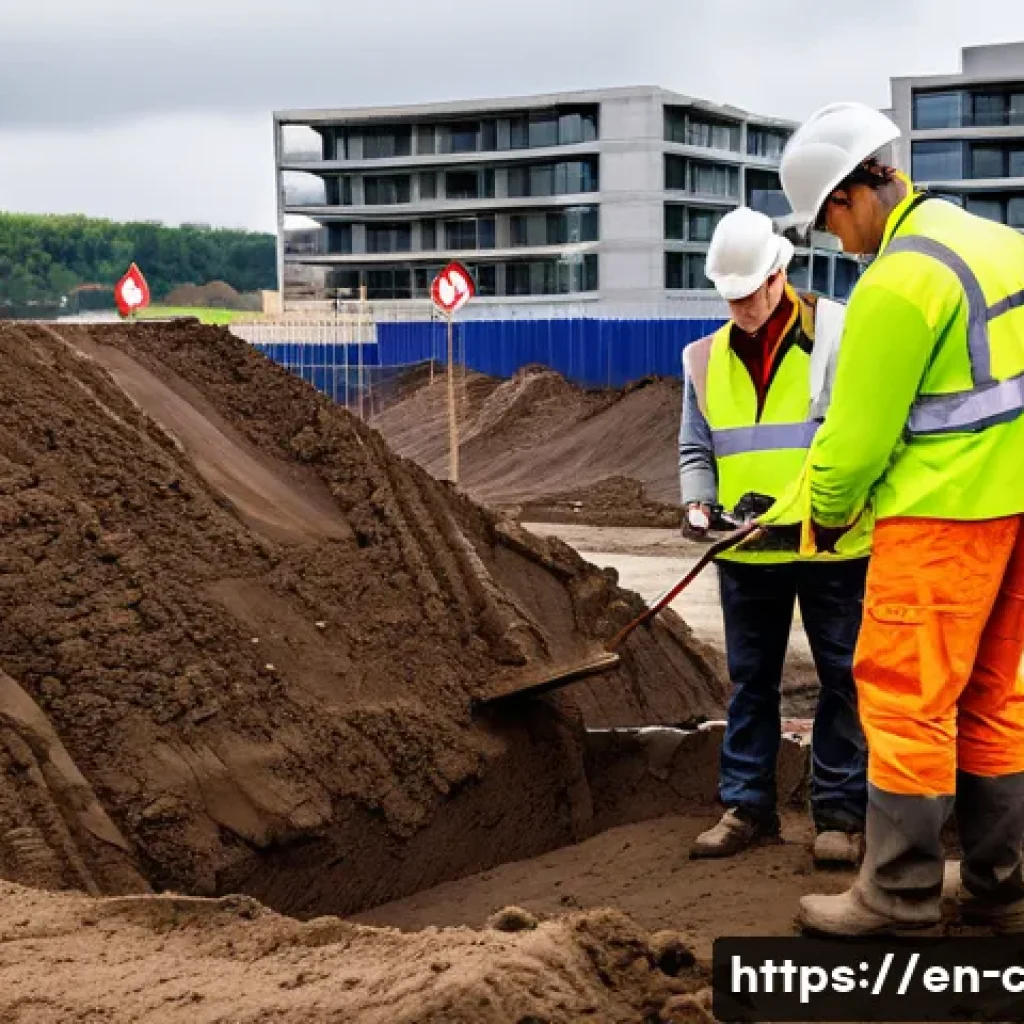
Understanding the gap between civil engineering theory and real-world practice is crucial for anyone stepping into the field. While textbooks lay down fundamental principles, actual projects often demand quick thinking and adaptation to unexpected challenges.
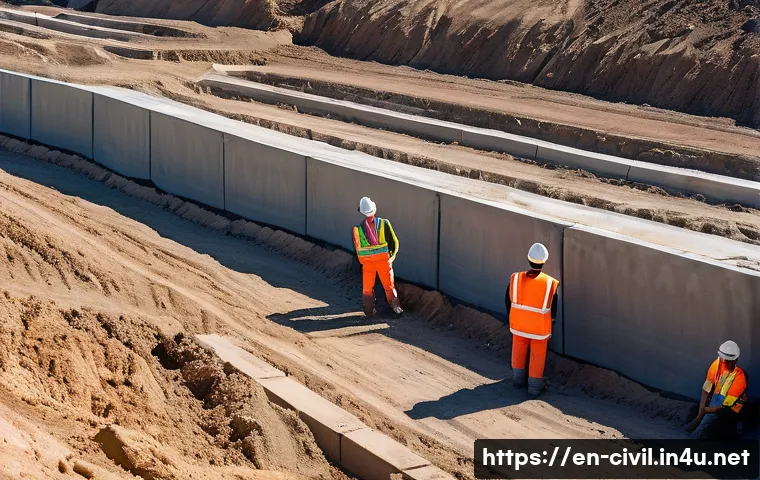
From site conditions to material behavior, the practical side adds layers of complexity that theory alone can’t cover. Having navigated both classroom learning and on-site experiences, I’ve seen firsthand how these two worlds intersect and sometimes clash.
If you’ve ever wondered how engineers bridge this divide, you’re in the right place. Let’s dive in and explore this fascinating contrast in detail!
Adapting to Unpredictable Site Conditions
Reading the Ground Beyond the Reports
When you step onto a construction site, you quickly realize that soil tests and geotechnical reports only tell part of the story. I remember a project where the soil appeared stable on paper, but once excavation began, unexpected pockets of soft clay emerged.
This wasn’t something any textbook could have prepared me for in full detail. Real-world sites demand that engineers keep their eyes and minds open, constantly reassessing conditions as work progresses.
The ability to interpret subtle changes in soil behavior or water seepage can make or break the project timeline and safety.
Weather and Environmental Surprises
Weather rarely cooperates with project schedules. Even the best plans can be derailed by sudden rainstorms or unseasonably cold spells. On one occasion, a stretch of heavy rain turned a previously firm site into a mud pit, delaying foundation work by weeks.
Theoretical models might predict average weather patterns, but they don’t capture the chaos of nature’s whims. Experienced engineers learn to build contingencies into schedules and material handling, anticipating these disruptions without losing momentum.
Balancing Design Intent with Practical Limits
Sometimes, the perfect design on paper meets practical limits on site—whether due to equipment availability, local labor skills, or budget constraints.
For example, a complex retaining wall design might require specialized machinery not readily accessible in a remote area. In such cases, engineers often have to rethink or simplify methods without compromising safety or performance.
This balancing act requires creativity and a deep understanding of both theory and field realities.
Material Behavior Beyond Textbook Definitions
Variability in Material Quality
Materials sourced for construction rarely mirror the idealized properties outlined in textbooks. I’ve seen batches of concrete that didn’t meet expected strength due to supplier inconsistencies or storage issues.
These variations can ripple through the project, affecting structural integrity and timelines. Experienced engineers develop a keen eye for quality checks, often insisting on additional testing or alternative sourcing to maintain standards.
Real-Time Monitoring and Adjustment
While lab tests provide baseline properties, the behavior of materials on site can change with temperature, moisture, and handling. For instance, concrete poured on a hot day may set faster than anticipated, requiring adjustments in mixing or curing practices.
Using sensors and real-time monitoring tools has become invaluable in modern projects, enabling engineers to react swiftly to material performance changes and avoid costly mistakes.
Unexpected Chemical and Physical Interactions
Sometimes, materials interact in ways that theory doesn’t fully anticipate. A memorable case involved soil contamination that altered the expected pH level, impacting the curing process of certain concrete additives.
Such surprises highlight the importance of on-site testing and flexibility in material selection and usage, which textbooks rarely emphasize in depth.
Decision-Making Under Pressure
Balancing Speed and Accuracy
Construction projects often run on tight deadlines, pushing engineers to make quick decisions without the luxury of exhaustive analysis. I’ve been in situations where a delay in choosing a foundation approach could have stalled the entire project, yet rushing without adequate thought risked structural issues.
Finding the sweet spot between rapid judgment and careful calculation is a skill honed only through experience.
Managing Conflicting Stakeholder Expectations
Engineers frequently juggle demands from contractors, clients, regulators, and the community. Each party has its own priorities, sometimes conflicting—cost versus quality, speed versus safety.
Navigating these tensions requires not only technical knowledge but also strong communication and negotiation skills. I’ve learned that transparent explanations and collaborative problem-solving go a long way in aligning everyone’s goals.
Learning from On-the-Spot Failures
Mistakes or unforeseen complications are inevitable, and how an engineer responds can define the project’s success. I recall a scenario where a retaining wall showed early signs of instability.
Instead of hiding the problem, the team quickly alerted stakeholders, reassessed the design, and implemented corrective measures. This proactive approach prevented a potential disaster and reinforced trust, underscoring that real-world engineering is as much about resilience as it is about precision.
Bridging Communication Gaps Between Teams
Translating Technical Jargon for On-Site Teams
Engineers often use technical language that doesn’t always resonate with construction crews or subcontractors. I’ve found that breaking down complex concepts into straightforward, actionable instructions greatly improves efficiency and reduces errors.
This translation role is crucial; it ensures everyone understands not just what to do, but why it matters.
Collaborative Problem-Solving in Real Time
On-site challenges often require immediate teamwork between engineers, architects, and contractors. I’ve been part of countless impromptu meetings around a muddy trench or noisy machinery where quick brainstorming led to creative solutions—solutions that textbooks rarely prepare you for.
This dynamic collaboration builds mutual respect and accelerates problem resolution.
Documentation vs. Reality
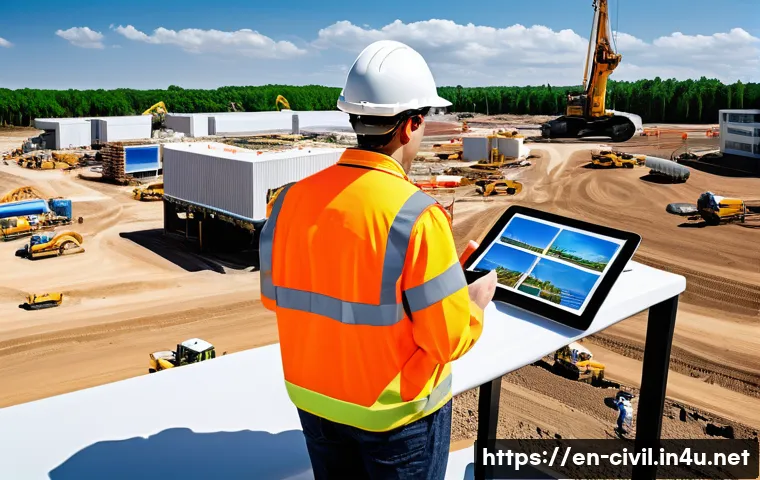
While thorough documentation is vital, the reality on site sometimes forces deviations. Reconciling these changes with official records demands meticulous updates and clear communication.
This process is critical for legal compliance and future maintenance, yet it often falls short if teams don’t prioritize it. From personal experience, keeping documentation current pays off in the long run, especially during audits or warranty claims.
Integrating Technology Without Losing Practical Wisdom
Leveraging Software Tools for Design and Management
Modern civil engineering benefits tremendously from advanced software for modeling, project management, and simulation. However, I’ve noticed that overreliance on digital tools without practical insight can lead to blind spots.
For example, a perfectly optimized design in software may not be feasible due to local site constraints or material availability. Combining tech with hands-on knowledge ensures solutions are both innovative and executable.
The Role of Drones and Sensors in Fieldwork
Drones have revolutionized site surveying, providing quick and accurate topographical data that once took weeks to gather. Similarly, sensors embedded in structures monitor stress and environmental conditions in real time.
Using these technologies has allowed me to detect issues early and adjust plans proactively, saving time and money. Yet, the human element remains indispensable for interpreting data and making judgment calls.
Training and Upskilling for the Digital Age
Keeping pace with rapidly evolving technology means continuous learning is a must. Engineers who embrace new tools and combine them with field experience tend to excel.
I’ve attended workshops and online courses that taught me software shortcuts and data analysis techniques, which I then applied directly on projects. This blend of theory, practice, and tech fluency is the future of civil engineering.
Safety Considerations Beyond Theoretical Standards
Adapting Safety Protocols to Dynamic Site Conditions
Safety guidelines provide a baseline, but real sites are fluid environments where unexpected hazards can arise. For instance, a sudden equipment malfunction or an unstable slope might require immediate changes to safety measures.
I’ve been involved in safety briefings that were updated daily based on shifting site risks, reinforcing that vigilance and adaptability are key.
Human Factors and Safety Culture
Safety isn’t just about rules; it’s deeply tied to the people on site. Cultivating a culture where everyone feels responsible for safety takes effort.
From personal experience, encouraging open communication and empowering workers to speak up about hazards significantly reduces incidents. This cultural aspect often goes unaddressed in theoretical frameworks but is critical in practice.
Incident Response and Learning
Despite best efforts, accidents can happen. How a team responds matters immensely. I recall a minor fall incident where the prompt medical response and thorough investigation led to improved protocols that prevented recurrence.
Learning from incidents, documenting lessons, and sharing them openly is a cornerstone of practical engineering safety.
Comparing Theory and Practice: Key Differences at a Glance
| Aspect | Theoretical Approach | Practical Reality |
|---|---|---|
| Soil Analysis | Static lab tests, idealized conditions | Variable site conditions, unexpected soil layers |
| Material Properties | Standardized lab values | Quality variations, environmental effects |
| Design Implementation | Optimized plans on paper | Adaptations due to equipment, labor, budget |
| Project Scheduling | Predictable timelines | Delays from weather, supply chain issues |
| Safety Management | Fixed protocols | Dynamic hazard assessment, human factors |
| Communication | Formal documentation | Real-time collaboration, jargon translation |
| Technology Use | Simulation and modeling | Data interpretation and practical adjustments |
Conclusion
Adapting engineering practices to real-world conditions requires more than textbook knowledge—it demands flexibility, keen observation, and practical experience. Each construction project presents unique challenges that test both technical skills and human judgment. By embracing these complexities and learning from hands-on situations, engineers can deliver safer, more efficient outcomes that truly meet site realities.
Useful Information to Keep in Mind
1. Always expect variability in soil and material conditions beyond initial reports and prepare to adjust plans accordingly.
2. Weather and environmental factors are unpredictable; building contingency time and resources into schedules helps keep projects on track.
3. Clear communication with all stakeholders, translating technical details into actionable steps, is key to smooth collaboration and problem-solving.
4. Leveraging modern technology like drones and sensors enhances monitoring but should complement—not replace—practical field expertise.
5. Safety culture thrives when everyone on site feels empowered to identify hazards and participate in ongoing risk management.
Key Takeaways for Practical Engineering Success
Understanding that real-world site conditions rarely match theoretical models is fundamental. Engineers must balance speed with accuracy when making decisions, adapt designs to fit available resources, and maintain open communication across teams. Embracing technology enhances capabilities but should be paired with hands-on knowledge. Finally, fostering a proactive safety mindset and documenting changes meticulously ensures both project integrity and long-term reliability.
Frequently Asked Questions (FAQ) 📖
Q: Why is there often a gap between civil engineering theory and real-world practice?
A: The main reason is that theory provides idealized models and assumptions that don’t always hold true on actual construction sites. For example, soil conditions might vary unexpectedly, materials might not behave exactly as predicted, and unforeseen site constraints can arise.
These practical factors require engineers to adapt quickly, making decisions based on experience and real-time data rather than relying solely on textbook formulas.
Q: How can new civil engineers better prepare to handle the challenges of real-world projects?
A: Beyond mastering theoretical knowledge, gaining hands-on experience through internships, site visits, and working alongside seasoned professionals is invaluable.
This exposure helps build problem-solving skills and teaches how to handle uncertainties. Also, developing strong communication skills and learning to use modern technology, like project management software and simulation tools, can bridge the gap between theory and practice effectively.
Q: What are some examples of situations where civil engineering theory doesn’t fully apply on-site?
A: One common example is unexpected soil contamination or variability, which can alter foundation design requirements drastically. Another is weather-related delays or material availability issues that force redesign or scheduling changes.
Additionally, safety considerations or regulatory changes during construction might require engineers to adjust plans on the fly, demonstrating how flexible and practical knowledge is essential beyond textbook learning.