In the world of civil engineering, software tools have become essential for designing, analyzing, and managing complex projects efficiently. From structural modeling to project scheduling, these applications streamline workflows and enhance accuracy.

With advancements in technology, engineers now rely heavily on specialized programs that integrate data and provide real-time insights. Whether you’re working on bridges, roads, or water systems, mastering these tools is a game-changer.
Let’s dive deeper and explore the key software shaping the future of civil engineering—I’ll guide you through the details ahead!
Streamlining Structural Analysis and Design
Real-Time Load Simulation and Impact Assessment
One of the most transformative shifts in civil engineering software is the capability to perform real-time load simulations. Unlike traditional methods where engineers had to rely on static calculations or simplified models, modern tools allow for dynamic testing under varying load conditions.
From wind forces to seismic activities, these programs provide instant feedback on how structures respond. Personally, when I first experimented with such a system, I was amazed at how quickly I could adjust parameters and immediately see the stress distribution change across a bridge or building frame.
This ability not only speeds up the design process but also enhances safety by revealing vulnerabilities early on.
Parametric Modeling for Custom Solutions
Gone are the days when creating a structural model meant painstaking manual drafting. Today’s parametric modeling tools empower engineers to generate complex geometries by simply tweaking parameters instead of redrawing every element.
I’ve noticed this approach particularly useful when working on unique architectural designs that don’t follow conventional shapes. By adjusting dimensions or materials on the fly, the software recalculates structural integrity instantly.
This flexibility means less time wasted on revisions and more focus on innovation, which is crucial when client demands push boundaries.
Collaborative Platforms for Integrated Workflows
What truly stands out in modern civil engineering software is how it supports collaboration across disciplines. Integrated cloud-based platforms allow architects, structural engineers, and project managers to work on the same model simultaneously, reducing miscommunication and errors.
From my experience, having access to a shared platform where updates are instantly visible makes coordination far smoother. It eliminates the back-and-forth emails and version confusion that used to bog down projects.
This collaborative environment fosters quicker decision-making and ultimately keeps projects on schedule and budget.
Optimizing Project Scheduling and Resource Management
Adaptive Scheduling with Real-Time Updates
Project timelines in civil engineering often face unpredictable delays due to weather, supply chain issues, or onsite challenges. Advanced scheduling software now includes adaptive features that automatically update plans based on real-time data inputs.
When I applied such a tool during a highway expansion project, it helped me quickly rearrange tasks and resource allocation whenever unforeseen events occurred.
This adaptability proved invaluable for maintaining progress and avoiding costly downtime, something traditional static Gantt charts simply couldn’t handle effectively.
Resource Allocation Through Data-Driven Insights
Managing labor, machinery, and materials efficiently is a constant juggling act in civil projects. Modern software integrates data analytics to recommend optimal resource distribution based on project phases and workload forecasts.
I recall a project where this feature highlighted overutilization of certain equipment early on, prompting me to reassign tasks and prevent burnout. This proactive approach not only maximizes productivity but also extends the lifespan of expensive machinery, contributing to overall cost savings.
Visualization Tools for Progress Tracking
Visual progress tracking has become a game changer for project managers. Interactive dashboards and 3D visualizations give a clear picture of current status against planned milestones.
In practice, I found that sharing these visuals with stakeholders—especially non-technical clients—greatly improved transparency and trust. Instead of dry reports, the visual updates make it easy to grasp complex progress details at a glance, which enhances communication and reduces misunderstandings.
Enhancing Geotechnical and Environmental Analysis
Advanced Soil Behavior Modeling
Understanding subsurface conditions is critical for safe and effective foundation design. Modern geotechnical software incorporates sophisticated soil behavior models that simulate everything from settlement to liquefaction under various conditions.
When I worked on a riverbank stabilization project, these tools allowed me to experiment with different reinforcement techniques virtually, saving time and resources that would otherwise go into trial-and-error in the field.
The accuracy of these simulations gives engineers a huge confidence boost when making design decisions.
Environmental Impact Simulations
Environmental considerations are increasingly at the forefront of civil engineering projects. Software that models runoff, erosion, and pollutant dispersion has become essential in ensuring compliance with regulations and minimizing ecological footprint.
From my experience, integrating these analyses early in the planning phase helps avoid costly redesigns later. It also facilitates communication with regulatory bodies by providing clear, data-backed environmental reports.
Integration of GIS for Site Selection and Planning
Geographic Information Systems (GIS) integration allows engineers to overlay multiple datasets—such as topography, soil types, and infrastructure—on a single map interface.
This holistic view supports better decision-making for site selection and design adjustments. I have found GIS particularly useful when working on large infrastructure projects like highways, where terrain and existing utilities must be carefully considered.
Having this spatial intelligence at your fingertips streamlines the planning process significantly.
Automating Documentation and Compliance Tracking
Dynamic Report Generation
Preparing documentation for permits, inspections, and client updates can be tedious and time-consuming. Many civil engineering platforms now offer dynamic report generation that pulls data directly from models and analysis results.
I’ve used this feature to produce consistent, detailed reports that automatically update whenever the project model changes. It reduces human error and ensures that all stakeholders receive the most current information without manual intervention.
Automated Compliance Checks
Staying compliant with local codes and industry standards is non-negotiable, but manual checking can be error-prone. Software equipped with automated compliance verification highlights areas where designs deviate from regulations.
During a recent municipal project, this feature saved us from submitting an incomplete plan that would have caused delays. It’s like having a digital code reviewer working alongside you, catching potential issues before they escalate.
Version Control and Change Management
Large projects often involve multiple revisions and stakeholder inputs, making version control essential. Modern tools track every change, who made it, and why, maintaining a comprehensive audit trail.
I’ve found this transparency invaluable when disputes arise or when revisiting decisions months later. It promotes accountability and keeps the entire team aligned on project evolution.
Leveraging BIM for Integrated Infrastructure Development
3D Modeling Beyond Architecture
Building Information Modeling (BIM) has revolutionized how civil engineers approach infrastructure. Rather than flat blueprints, BIM provides rich 3D models that include structural, mechanical, and electrical systems.
I remember the first time I used BIM for a transit station design—it was like seeing the entire project in miniature, with every component linked and interactive.
This clarity helps catch clashes early, reducing costly on-site fixes.
Lifecycle Management and Maintenance Planning
BIM’s utility extends well beyond construction. It serves as a living database for infrastructure maintenance throughout its lifecycle. Having worked on a bridge rehabilitation project, I saw how BIM’s data-rich environment allowed maintenance teams to plan inspections, schedule repairs, and track asset conditions more efficiently.
This proactive approach extends asset life and optimizes budget allocation.
Interdisciplinary Coordination and Clash Detection
One of BIM’s greatest strengths is enabling different engineering disciplines to collaborate within a single model. Clash detection tools automatically identify conflicts between structural elements and mechanical systems, saving countless hours in coordination meetings.
From personal experience, this feature prevented a major rework on a hospital project where HVAC ducts conflicted with structural beams—something that would have been missed until construction started.
Comparative Overview of Key Software Features

| Feature | Benefit | Typical Application | My Experience |
|---|---|---|---|
| Real-Time Load Simulation | Instant feedback on structural behavior | Bridge and high-rise design | Accelerated design iterations and improved safety |
| Adaptive Project Scheduling | Dynamic updates based on real-world changes | Large infrastructure projects | Maintained timelines despite unexpected delays |
| Geotechnical Soil Modeling | Accurate prediction of soil-structure interaction | Foundations, retaining walls | Reduced costly field testing and revisions |
| Automated Compliance Checks | Ensures adherence to codes and standards | Municipal and commercial projects | Prevented submission errors and project delays |
| BIM Lifecycle Management | Improves asset maintenance and planning | Bridges, transit stations, utilities | Enhanced long-term infrastructure reliability |
Integrating Data Analytics for Predictive Maintenance
Condition Monitoring through Sensor Data
With the rise of IoT, civil engineering projects are increasingly equipped with sensors that monitor structural health in real time. Analyzing this data helps predict when maintenance or repairs are needed before issues become critical.
I’ve worked on a smart bridge project where vibration sensors alerted us to early signs of fatigue. This foresight allowed for timely interventions, avoiding costly shutdowns and enhancing public safety.
Machine Learning for Failure Prediction
Machine learning algorithms can analyze vast datasets from past projects and ongoing monitoring to forecast potential failures. Incorporating these predictive models into engineering workflows is still emerging but holds great promise.
In one pilot project, using machine learning to analyze traffic patterns and material degradation enabled more accurate lifespan predictions, informing better budgeting and scheduling.
Cost-Benefit Analysis Powered by Analytics
Combining predictive maintenance with financial models allows engineers and managers to make data-driven decisions on when to invest in repairs versus replacements.
I’ve seen this approach shift traditional reactive maintenance into a proactive strategy that optimizes lifecycle costs. Analytics-driven planning ultimately leads to smarter resource allocation and longer-lasting infrastructure.
Harnessing Cloud Computing and Mobile Access
Anywhere Access to Project Data
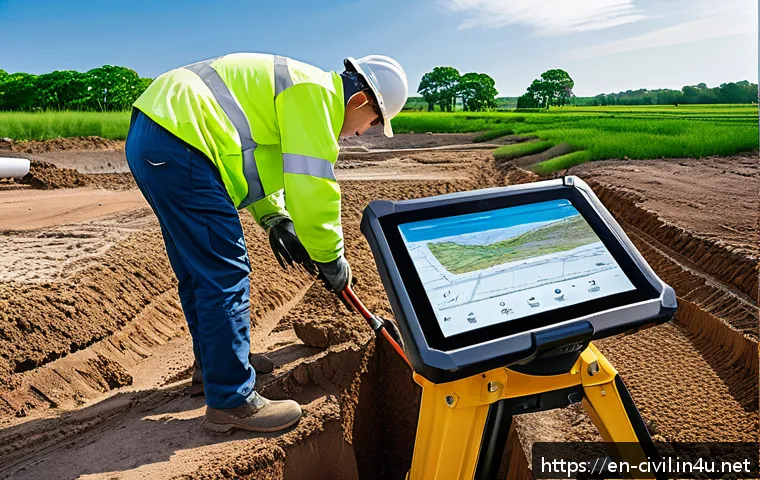
Cloud computing has liberated civil engineers from being tethered to desktops or offices. Now, site engineers can access updated models, drawings, and schedules directly from tablets or smartphones.
I recall a project where quick on-site adjustments were necessary, and having immediate access to the latest project files saved hours of back-and-forth communication.
Scalable Computing Power for Complex Simulations
Some structural analyses require massive computational resources, especially when dealing with large-scale projects or advanced simulations like fluid dynamics.
Cloud platforms offer scalable power without the need for expensive local hardware. This means even smaller firms can perform high-level analyses that were once only possible for large organizations.
Enhanced Collaboration and Backup Security
Cloud platforms also provide automatic backups and version control, reducing risks of data loss. Plus, they enable seamless collaboration across geographically dispersed teams.
From experience, this has been a game-changer during the pandemic, where remote work became the norm and uninterrupted project progress was critical.
Customizing Software Through APIs and Extensions
Tailoring Tools to Specific Project Needs
Many engineering software platforms now offer APIs that allow users to customize functions or integrate with other applications. I’ve personally developed small scripts to automate repetitive calculations, freeing up time for more complex problem-solving.
This customization ensures that software adapts to the unique demands of each project rather than forcing engineers to conform to rigid workflows.
Integrating Third-Party Data and Services
Using APIs, it’s possible to pull in external data like weather forecasts, material pricing, or traffic models directly into engineering software. This integration creates a more holistic environment for decision-making.
On a recent road construction project, linking weather data helped us anticipate and mitigate weather-related delays effectively.
Community-Driven Plugins and Tools
The rise of user communities around popular civil engineering software has led to an ecosystem of plugins and add-ons. These community-created tools often address niche needs or add cutting-edge features.
Participating in these communities not only provides access to new resources but also fosters knowledge exchange that benefits everyone involved.
Future Trends in Civil Engineering Software
Augmented Reality for Onsite Visualization
Augmented reality (AR) is starting to be used for visualizing designs directly on-site, overlaying 3D models onto physical environments. I got to test this technology during a recent infrastructure upgrade, and it was striking how it helped stakeholders visualize the final product and understand complex spatial relationships instantly, improving communication and reducing errors.
AI-Assisted Design and Optimization
Artificial intelligence is gradually moving from analysis support to active design assistance. AI can propose optimized structural configurations based on constraints and objectives, speeding up early-stage design.
Though still developing, I believe this will become an indispensable tool that augments human creativity rather than replacing it.
Blockchain for Transparent Project Management
Emerging uses of blockchain technology in civil engineering promise enhanced transparency and trust in project contracts, payments, and documentation.
While still in experimental stages, this could revolutionize how multi-party projects handle accountability and data integrity, minimizing disputes and delays.
By embracing these evolving technologies and tools, civil engineers can not only improve efficiency and accuracy but also lead the way toward smarter, safer, and more sustainable infrastructure development.
The software landscape is rich and diverse, offering solutions tailored to every stage of the project lifecycle, and mastering these tools is key to staying competitive in the field.
Conclusion
Modern civil engineering software has truly transformed the way projects are designed, managed, and maintained. From real-time simulations to collaborative cloud platforms, these tools enhance efficiency and safety at every stage. Embracing these advancements not only streamlines workflows but also empowers engineers to innovate confidently. Staying updated with these technologies is essential for success in today’s fast-evolving infrastructure landscape.
Useful Information to Keep in Mind
1. Real-time load simulation drastically reduces design iteration times and highlights potential safety issues early.
2. Parametric modeling allows for quick adjustments, enabling customized solutions without redrawing entire models.
3. Cloud-based collaboration platforms improve communication and reduce costly delays caused by version conflicts.
4. Integrating GIS data provides a comprehensive view for better site selection and planning decisions.
5. Predictive maintenance powered by sensor data and machine learning helps prevent failures and optimizes costs.
Key Takeaways
Leveraging advanced software in civil engineering enhances project accuracy, efficiency, and safety. Real-time data and adaptive scheduling keep projects on track despite uncertainties, while automation minimizes human error in documentation and compliance. Collaborative tools and BIM foster interdisciplinary coordination, reducing costly mistakes. Embracing predictive analytics and cloud technologies further future-proofs infrastructure development, making it smarter and more sustainable.
Frequently Asked Questions (FAQ) 📖
Q: What are the most commonly used software tools in civil engineering today?
A: The civil engineering field relies heavily on several key software programs. For structural analysis and design, tools like AutoCAD, Revit, and SAP2000 are industry staples.
When it comes to project management and scheduling, Microsoft Project and Primavera P6 dominate. For geotechnical analysis, programs such as PLAXIS and GeoStudio are popular choices.
These tools help engineers visualize complex designs, run simulations, and manage timelines effectively, making them indispensable in everyday engineering tasks.
Q: How can mastering civil engineering software improve project outcomes?
A: From my experience, mastering these software tools drastically improves both efficiency and accuracy. When you’re fluent in a program like Revit or SAP2000, you can quickly iterate designs, detect potential issues early, and communicate ideas clearly to your team.
This reduces costly errors and delays on site. Plus, integrated software that links modeling with scheduling provides real-time updates, helping project managers make informed decisions faster.
Overall, it streamlines workflows, boosts collaboration, and leads to better, safer structures delivered on time.
Q: Are there any challenges beginners face when learning civil engineering software, and how can they overcome them?
A: Absolutely, the learning curve can feel steep at first—especially because many of these programs are packed with advanced features. I remember when I started, it was overwhelming to navigate all the tools and understand the technical jargon.
The best approach is to start with basic tutorials and focus on one software at a time. Hands-on practice through real project examples helps solidify your skills.
Also, joining online communities or forums where professionals share tips can be a game-changer. Patience and consistent practice really pay off in mastering these powerful tools.