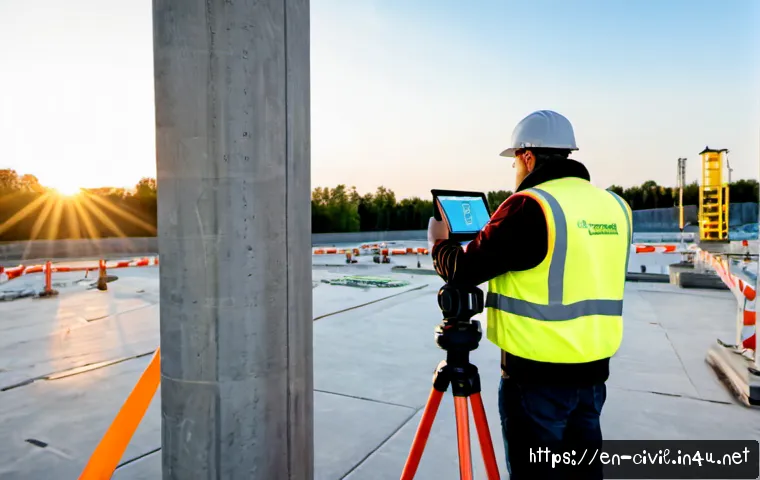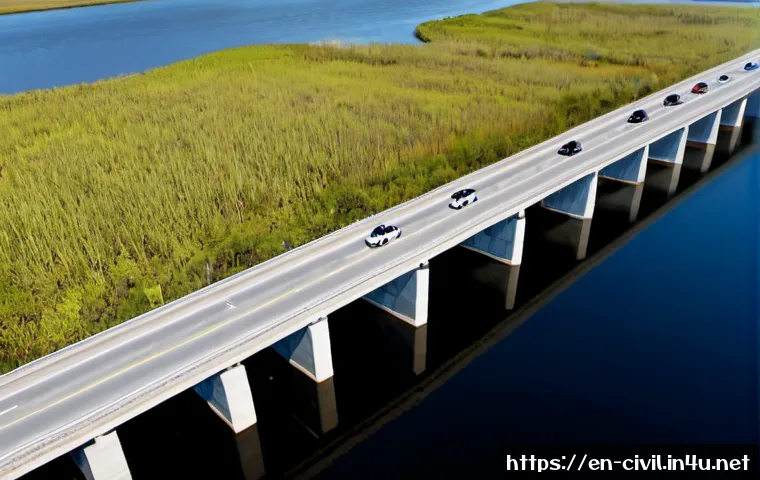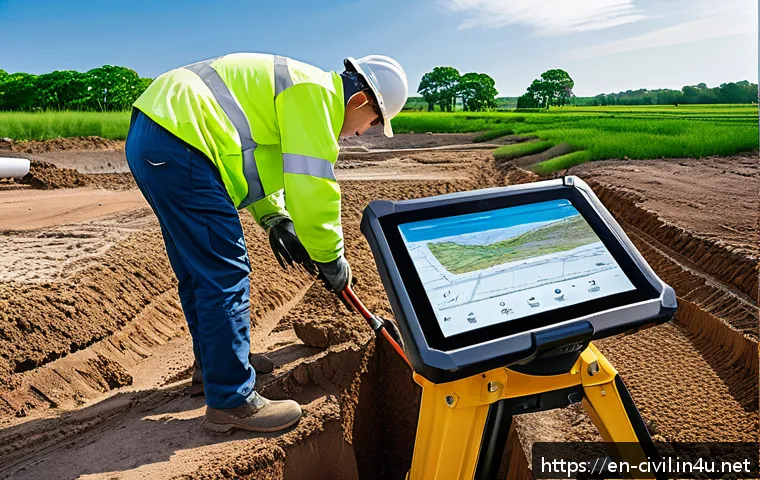
The most useful civil engineering research topic is one that matches a real infrastructure need with data, methods, and resources you can actually access.
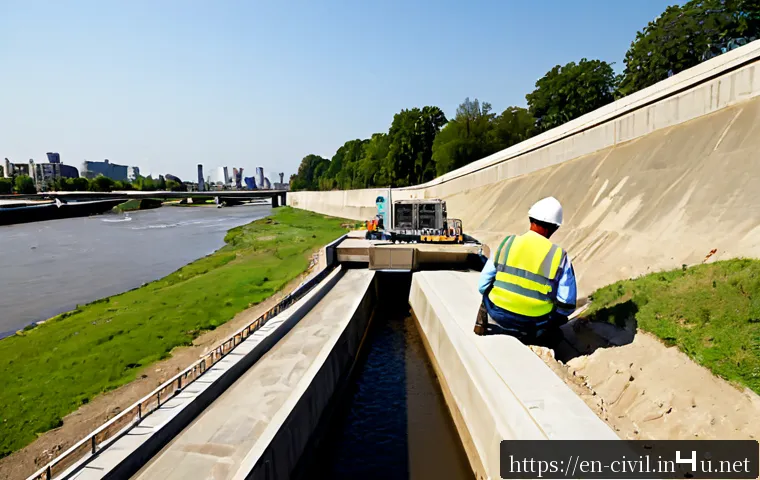
Climate resilience, sustainable construction, smart monitoring, water systems, structural rehabilitation, geotechnics, transportation, and construction productivity are all strong directions when the scope is practical.
Before choosing, compare the likely need for modeling software, laboratory testing, field surveys, and outside engineering support. A narrow question with a clear validation plan is usually more workable than a broad topic with impressive-sounding goals.
For project teams, the same framework helps identify whether a study can support planning, design, asset management, or construction decisions.
At a Glance
- Start with the problem: Choose a topic tied to resilience, safety, sustainability, mobility, water performance, or construction delivery.
- Match the method to access: Public data can support early analysis, while site-specific questions may require surveys, monitoring, or laboratory testing.
- Check the resource burden early: Modeling software, specialist testing, and infrastructure consulting can be useful when they directly improve the research question or validation.
| Research area | Practical application | Typical data and methods | Common tools | Likely external support |
|---|---|---|---|---|
| Climate-resilient infrastructure | Risk reduction, asset resilience, emergency planning | Hazard records, asset information, scenario analysis | GIS, hydraulic or structural modeling tools | Field assessment or resilience consulting when local conditions are critical |
| Sustainable materials | Lower-impact construction and material performance | Material properties, mix designs, laboratory comparison | Data analysis tools, life-cycle assessment software | Materials laboratory testing and technical review |
| Smart infrastructure | Condition monitoring and maintenance planning | Sensor records, inspection data, signal analysis | Data platforms, dashboards, modeling software | Sensor integration or data-management support |
| Water and drainage systems | Flood management, urban drainage, water reliability | Rainfall, flow, land-use, and network data | GIS and hydrologic or hydraulic modeling tools | Survey work, field monitoring, or specialist hydraulic review |
| Geotechnical engineering | Foundations, slopes, ground improvement | Site investigation, soil properties, numerical analysis | Geotechnical modeling software | Laboratory analysis, drilling, and geotechnical engineering services |
The Most Important Civil Engineering Research Directions Today
Civil engineering research is most valuable when it connects technical analysis to a decision that affects infrastructure performance. A topic does not need to cover an entire city, network, or construction sector. It needs a defined system, a usable dataset, and a method that can be checked.
Climate-Resilient Infrastructure and Disaster Risk Reduction
This area examines how roads, bridges, drainage systems, buildings, and utility assets respond to disruptive conditions. Useful research questions may compare adaptation options, identify vulnerable asset types, or develop a prioritization method for inspections. Hazard assumptions and local asset conditions matter, so broad scenario work should not be presented as a site-specific design conclusion. GIS, asset inventories, and engineering models can support the work, while field assessment may be worthwhile when asset condition is central to the question.
Sustainable Materials and Low-Carbon Construction
Research in sustainable construction can focus on material selection, durability, reuse, waste reduction, or construction-stage impacts. The strongest studies define what “sustainable” means in context: lower material demand, longer service life, simpler maintenance, or another measurable project objective. Laboratory testing may be necessary when the claim depends on material behavior. If the study is comparative and uses existing technical data, life-cycle assessment software and structured data analysis may be more relevant than a large laboratory program.
Smart Infrastructure, Sensors, and Digital Monitoring
Smart infrastructure research uses inspection records, sensor data, imagery, digital models, or asset databases to support maintenance decisions. A focused topic might assess how monitoring information changes inspection priorities rather than trying to create a complete “smart city” system. Consider data quality, ownership, continuity, and interpretation before selecting a platform. Sensor hardware or specialist data services are only justified when the research cannot be answered through existing condition data or controlled test records.
Water Resources, Flood Management, and Urban Drainage
Water research commonly addresses runoff, drainage capacity, flood exposure, water distribution, or watershed behavior. It is especially useful for public infrastructure planning because results can inform maintenance, upgrades, and land-use discussions. Catchment boundaries, rainfall inputs, pipe or channel details, and calibration data can strongly affect model reliability. Hydrologic or hydraulic software is helpful when the question requires scenario testing, but software output still requires engineering review.
Compare Research Areas by Practical Value, Data Needs, and Investment
Research-Topic Comparison: Applications, Methods, and Resource Requirements
A practical comparison starts with four questions: What decision could the research support? What data already exists? What must be measured? Who can validate the result? Topics based on public datasets and documented methods can be suitable for preliminary analysis. Topics involving soil behavior, structural capacity, material performance, or drainage behavior often need more direct evidence before they can support project-specific recommendations.
When Free Datasets Are Enough—and When Field Surveys or Laboratory Testing Are Needed
Free or open datasets can be enough for mapping, trend exploration, literature-based comparisons, network screening, and early prioritization. They are less sufficient when a study depends on current site conditions, hidden defects, material properties, subsurface variability, or detailed operational behavior. Use fieldwork or laboratory testing when the key uncertainty cannot be responsibly represented by existing information. Confirm access permissions, sampling requirements, equipment availability, and the time needed to process results before making testing central to the project.
Software, Modeling, and Specialist Services: What to Evaluate Before Spending
Engineering software should be selected for the method, not for the brand name. Review whether the tool can represent the relevant system, import available data, document assumptions, and produce outputs that can be checked. Also consider training time, file compatibility, and whether an academic, institutional, or project license is available. For laboratory services, sustainability consulting, or external engineering support, compare the scope of work, deliverables, data ownership, quality-control process, and any limitations stated in the service terms.
Core Areas Worth Exploring in Greater Depth
Structural Engineering: Resilience, Retrofitting, and Performance-Based Design
Structural research can investigate retrofit strategies, damage assessment, load paths, serviceability, and performance under defined conditions. A manageable scope might focus on one structural system, one retrofit approach, or one performance indicator. Modeling is useful for comparison, but model calibration and boundary conditions should be stated clearly. Do not treat a simulation as a final engineering approval without appropriate checks.
Geotechnical Engineering: Soil Behavior, Foundations, and Ground Improvement
Geotechnical topics include settlement, slope stability, foundation behavior, earth retention, and ground improvement. They are highly relevant to infrastructure projects, but they can become resource-intensive because soil conditions are site dependent. Existing borehole logs and published data may support conceptual research. A question that depends on actual soil parameters may require specialist testing or qualified geotechnical input.
Transportation Engineering: Safety, Traffic Systems, and Mobility Planning
Transportation research may study traffic operations, road safety, public transport access, active travel, freight movement, or network resilience. This area works well for data-driven projects when reliable counts, crash records, travel surveys, or network data are available. Keep the outcome specific: identify a pattern, test a management scenario, or compare alternatives. Local traffic rules, reporting methods, and design guidance should be verified before applying findings to a real corridor.
Construction Engineering: Productivity, Automation, and Project Delivery
Construction engineering research examines how projects are planned, coordinated, monitored, and delivered. Topics can cover scheduling, quality workflows, digital coordination, equipment use, safety processes, or construction automation. Industry relevance is often strong when the research addresses a measurable process bottleneck. Access to project records may be limited, so define confidentiality boundaries and data permissions at the start.
Research Planning Mistakes That Can Increase Time and Cost
Choosing a Topic That Is Too Broad or Dependent on Inaccessible Data
A topic such as “improving urban infrastructure” is a theme, not a research question. Narrow it by asset type, location, hazard, material, user group, or decision stage. Avoid building the entire study around data controlled by an agency, contractor, or private owner unless access has been confirmed.
Underestimating Calibration, Validation, and Site-Specific Constraints

Models need credible inputs and a way to assess whether outputs are reasonable. Testing programs need consistent procedures and enough time for analysis. Field surveys need access, safety planning, and suitable conditions. Validation is not an optional final step; it should shape the topic from the beginning.
Treating Simulation Results as Final Answers Without Engineering Checks
Numerical output can look precise even when assumptions are weak. Check units, boundary conditions, input ranges, sensitivity to key variables, and consistency with observed behavior or established engineering principles. Independent review from a supervisor, laboratory specialist, or consulting engineer can be valuable for high-consequence applications.
Topic Choices by Goal: Academic Study, Public Infrastructure, or Industry Innovation
Best Fit for Undergraduate and Graduate Research Projects
Students often benefit from a narrow comparative study with available data and a clear method. Examples include evaluating drainage scenarios with accessible mapping data, comparing material options using published properties, or developing an asset-priority framework. Graduate-level work may extend into advanced modeling, experimental programs, or monitored field performance if supervision and facilities are available.
Best Fit for Municipalities and Infrastructure Asset Managers
Municipal and asset-management teams may prioritize condition assessment, maintenance planning, flood exposure, drainage performance, transport safety, and resilience screening. Research should produce an understandable decision aid, such as a prioritization framework, map, scenario comparison, or inspection approach. Local procurement, environmental requirements, and design codes may affect what can be implemented.
Best Fit for Construction Firms, Consultants, and Technology Providers
Industry-focused studies often concentrate on constructability, productivity, quality control, scheduling, digital workflows, monitoring, or low-impact delivery methods. The best topic is one that can be evaluated against a real operational need without exposing confidential project information. Engineering software, specialist laboratory services, or infrastructure project support can be compared when they solve a defined workflow problem.
Selection Criteria and Comparison Summary
Before committing, check problem relevance, available data, technical method, validation route, time requirement, and resource burden. Ask whether the work needs commercial engineering software, a laboratory testing provider, field monitoring equipment, or specialist consulting support. Confirm institutional access and local requirements before relying on any paid service or project dataset. If you are comparing tools or services, review the official scope, compatibility, training requirements, and deliverables on the relevant provider page.
Match the Topic to Available Time, Supervision, Budget, and Data Access
A feasible topic fits the calendar as well as the academic or project goal. Select a question that can be completed with the supervision, facilities, permissions, and data you can reasonably obtain. If one missing dataset or test result would stop the study, prepare a narrower alternative.
Compare Software, Laboratory, Fieldwork, and Consulting Requirements
Make a simple resource list before starting. Identify what can be done with existing tools, what requires institutional support, and what needs external services. The purpose is not to minimize spending at all costs; it is to spend only where it improves evidence, validation, or decision usefulness.
Final Checklist Before Committing to a Civil Engineering Research Topic
Can the question be stated in one sentence? Is the infrastructure decision or academic contribution clear? Are the required data sources accessible? Can the method be validated? Are the assumptions documented? Have local codes, environmental obligations, and procurement rules been checked where they apply?
Closing Thoughts
Strong civil engineering research starts with a bounded problem and an honest view of available resources. A useful topic can be modest in scale if it produces a credible method, comparison, or decision framework. Choose software, testing, and specialist support only after the research question shows why they are needed. That approach helps keep the work relevant to both study and real infrastructure practice.
Useful Things to Know
Data access comes before model complexity. Confirm permissions and file availability early.
Local context matters. Design codes, environmental conditions, and procurement practices can change feasibility.
Document assumptions. This makes a study easier to review, repeat, and improve.
Important Notes
This is a general topic-selection guide, not a substitute for project-specific engineering design, laboratory interpretation, or regulatory advice. Software prices, laboratory access fees, consulting rates, project budgets, and applicable requirements vary by institution, location, provider, and scope. Verify current conditions with the relevant organization or qualified professional before making commitments.
Frequently Asked Questions
Q1. What are the best civil engineering research topics for students with limited laboratory access?
A1. Data-based topics are often the most practical, including infrastructure condition prioritization, transportation pattern analysis, drainage mapping, resilience screening, literature-based material comparisons, and construction workflow studies. Choose a topic with accessible datasets and a clear way to check the analysis.
Q2. Which civil engineering research areas are most relevant to infrastructure consulting and construction companies?
A2. Resilience planning, asset management, drainage and flood analysis, structural rehabilitation, geotechnical risk, construction productivity, digital monitoring, and project delivery are commonly relevant directions. The best fit depends on the organization’s assets, project types, data access, and local requirements.
Q3. How much should researchers budget for civil engineering software, field testing, or laboratory analysis?
A3. There is no universal amount because licensing, equipment access, laboratory scope, field conditions, and consulting needs vary widely. Start by defining the minimum evidence needed for the research question, then request current terms or quotations from software providers, laboratories, or specialist engineering services where necessary.