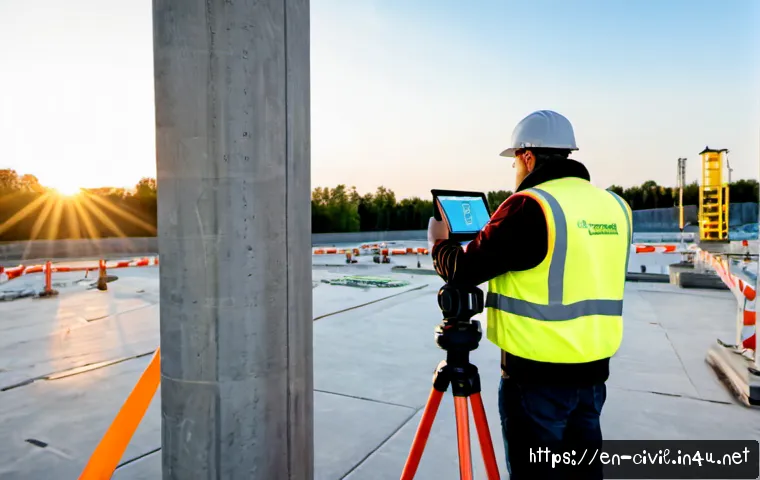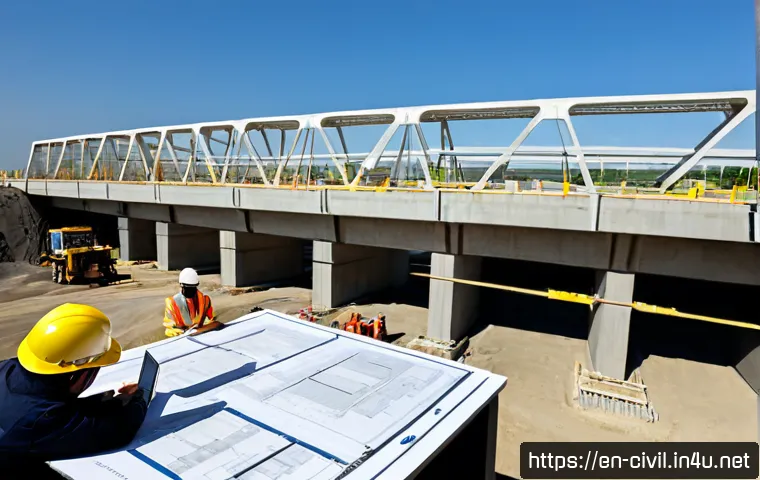
Civil engineering design defines the solution on paper; construction turns that approved solution into physical work in the field. Design and construction are closely connected, but they carry different deliverables, responsibilities, and risks.

Owners often need this distinction before selecting an engineering consultant, comparing contractor bids, or considering a design-build provider. A clear scope can make project estimating and procurement discussions more useful.
Early coordination may also reveal constructability concerns before crews, equipment, and materials are committed. The right contract structure still depends on the project, site, local requirements, and risk allocation.
At a Glance
- Design converts project requirements into drawings, specifications, calculations, and permitting documentation.
- Construction manages procurement, site work, labor, equipment, installation, quality control, and delivery of the physical works.
- Early coordination between designers and contractors can identify constructability issues before field work begins.
| Decision Area | Civil Engineering Design | Construction |
|---|---|---|
| Primary purpose | Define what is to be built and how it should meet project requirements. | Build the approved work in field conditions. |
| Typical output | Drawings, technical specifications, calculations, schedules, and permitting documentation. | Installed work, site records, quality-control activities, and project closeout deliverables. |
| Main commercial question | Does the engineering proposal clearly define scope, coordination, and deliverables? | Does the contractor bid clearly state inclusions, exclusions, schedule assumptions, and change-order terms? |
| Key risk | Incomplete or unclear documents can create bid uncertainty and disputed scope. | Site conditions, materials, weather, approvals, and scope changes can affect cost and duration. |
The Short Answer: Planning the Solution vs. Building It
Design decides the technical path; construction executes it. A civil project needs both functions, but they should not be treated as interchangeable services. One team may provide both under a design-build arrangement, while other projects separate the engineer and contractor.
What the Design Phase Produces
The design phase typically translates owner requirements into technical drawings, specifications, calculations, and documentation needed for permitting or procurement. Construction documents commonly include drawings, technical specifications, schedules, and bid-related information. Their value is not simply presentation: they give bidders and field teams a shared basis for understanding the intended work.
What the Construction Phase Delivers
Construction covers the practical work of procurement, site preparation, labor, equipment, installation, quality control, and delivery. A contractor must work with actual site conditions and available resources, not just the assumptions shown in a drawing set. This is why an apparently simple design decision can have a major effect on field sequencing or material procurement.
Why the Two Roles Overlap but Are Not Interchangeable
Both sides need to understand scope, schedule, cost, and quality requirements. However, the designer focuses on defining the work, while the contractor focuses on carrying it out. Constructability review is where the roles meet: contractor input can help identify details that may be difficult, slow, or costly to install before field work starts.
Design and Construction Compared by Scope, Documents, Risk, and Cost
The most useful comparison is not “which service costs more?” It is whether each party’s scope is clear enough to support reliable decisions.
Responsibilities: Engineer, Owner, Contractor, and Inspector
The owner establishes project needs and chooses a delivery approach. The engineering team develops the technical design within its agreed scope. The contractor performs the physical work and manages field execution. Quality control and inspection help verify that installed work aligns with approved documents and applicable requirements. Responsibilities should be stated clearly because assumptions can become disputed scope later.
Drawings, Specifications, Estimates, Schedules, and Site Records
Drawings show the planned work, while specifications describe technical requirements that may not fit on drawings alone. Schedules help organize sequencing and procurement. Bid-related information helps contractors prepare proposals. During construction, site records and quality-control documentation support communication about what was installed and how issues were addressed.
Budget Implications: Design Fees, Bid Pricing, Contingencies, and Change Orders
Exact engineering fees, contractor margins, and total project costs vary and should be verified for each project. Still, unclear scope can make contractor bid comparison difficult because bidders may include different assumptions. Change-order exposure can increase when site conditions, material availability, permitting requirements, or late scope changes differ from the original basis. A low initial bid is not automatically the most complete or lowest-risk offer.
How a Civil Project Moves from Concept to Completed Work
A typical project moves from an initial idea to technical definition, procurement, field execution, and closeout. The handoffs matter as much as the individual phases.
Feasibility, Survey, Preliminary Design, and Approvals
Early work may involve feasibility questions, survey information, preliminary design, and approval requirements. At this point, the owner should identify what must be delivered, what is still uncertain, and which decisions may affect the later construction approach.
Detailed Design, Bidding, Procurement, and Contract Award
Detailed design creates the documents used for pricing and construction planning. In a design-bid-build structure, designers and contractors may hold separate contracts. Contractor bidding should be reviewed for more than price: compare scope coverage, exclusions, proposed schedule, and assumptions that could affect project estimating.
Field Execution, Quality Checks, Revisions, and Closeout
Once work begins, field conditions may require questions, revisions, or additional coordination. Construction quality control and inspection help confirm that installed work aligns with approved documents and applicable requirements. Closeout should also address records and outstanding scope items rather than treating completion as only a physical milestone.
Common Coordination Problems and How to Avoid Them
Many project disputes begin with an unclear handoff, not a single dramatic error. A disciplined review before contract award can reduce avoidable uncertainty.
Incomplete Scope and Unclear Specifications
If drawings and specifications leave important work open to interpretation, contractors may price it differently or exclude it. Ask whether the proposal identifies inclusions, exclusions, assumptions, and owner-provided information. Those points are often more useful than a broad statement that a bid is “complete.”
Designs That Are Difficult or Costly to Build
A technically defined solution may still be challenging to construct due to access, sequencing, equipment needs, or procurement realities. Early contractor involvement can provide practical feedback before field work begins. It does not remove the need for engineering design, but it can improve coordination between design intent and installation methods.
Unmanaged Site Conditions and Late Design Changes
Site conditions, weather, material availability, permitting requirements, and scope changes can affect cost and duration. These items should be discussed early, documented when they arise, and handled through the applicable contract process. Avoid assuming that a contractor proposal has resolved every unknown site condition unless the proposal specifically addresses it.
Which Delivery Approach Fits Your Project?
There is no universally best delivery method. The appropriate approach depends on procurement rules, project complexity, the desired level of owner control, and how risk is allocated.
Separate Designer and Contractor: Design-Bid-Build
Under design-bid-build, the designer and contractor may have separate contracts. The owner can complete design documentation before requesting contractor bids. This structure can support direct comparison of bids, but it also places importance on document completeness and clear coordination between the separate parties.
Single-Point Responsibility: Design-Build
Under design-build, one contracting entity can provide both design and construction functions. This may simplify the owner’s point of contact, but the owner should still review how scope, design responsibility, pricing assumptions, quality requirements, and changes will be managed.
When to Seek Early Contractor Input or an Independent Cost Review
Early contractor input may be useful when constructability, sequencing, procurement, or site access could shape the solution. An independent cost review may also help when comparing options before contract award. These reviews should be based on the available documents and should not be treated as a guarantee of final project cost.
Selection Criteria and Comparison Summary
Before requesting quotes, compare scope clarity, relevant experience, coordination responsibilities, schedule assumptions, insurance requirements, exclusions, and the change-order process. For engineering consultant selection, ask what documents and coordination tasks are included. For contractor bid comparison, ask whether every bidder priced the same information and whether exclusions are easy to identify. For design-build procurement, confirm who is responsible for design decisions, construction execution, and communication during changes. Review construction management software or proposal-management tools by checking whether they support document control, bid comparison, schedule visibility, and site records. Official service details and contract conditions should be reviewed on the relevant provider’s page before making a selection.
Final Thoughts
Civil design and construction are two parts of the same project, but they solve different problems. Design establishes the technical basis for the work, while construction manages the reality of delivering it in the field. Strong documents and early coordination can make contractor bidding more meaningful and reduce avoidable scope confusion. The best choice is usually the one that makes responsibilities, assumptions, and risk allocation easiest to understand before work begins.
Useful Information
Bid comparison: Put inclusions and exclusions side by side rather than comparing only total prices.
Document control: Make sure the field team is working from approved documents.
Schedule review: Ask what procurement, approvals, site access, or sequencing assumptions support the proposed timeline.
Change management: Understand the process for documenting and pricing scope changes before signing.
Key Considerations
This overview does not determine the right delivery method, contract terms, permitting path, insurance requirement, or technical solution for a specific project. Local licensing, inspection, procurement, and contract requirements must be confirmed for the relevant location. A drawing set, specification, or contractor proposal should be reviewed against actual site conditions and project requirements before it is accepted.
Frequently Asked Questions
Q1. Is civil engineering design more expensive than construction?
A1. It is not possible to answer that reliably without a specific project scope. Engineering design fees, contractor margins, and total construction costs vary. The more useful question is whether the design scope and construction bid clearly identify what is included and what remains uncertain.
Q2. Should I hire an engineer before asking contractors for bids?
A2. Many projects use engineering design documents before contractor bidding because they provide a common basis for pricing. However, the appropriate sequence depends on the project, procurement requirements, site conditions, and chosen delivery method. Early contractor input may be useful where constructability is a concern.
Q3. Is design-build better than hiring a designer and contractor separately?
A3. Neither structure is automatically better. Design-build can place design and construction under one contracting entity, while design-bid-build separates those functions. Compare responsibility, scope clarity, owner control, procurement rules, and change-management terms before deciding.