Digital twins deliver the most value in civil engineering when they support a clear decision, such as coordinating construction work, tracking asset condition, or planning maintenance.

For many smaller or less data-intensive projects, a well-managed BIM and GIS workflow may be sufficient without building a fully connected operational twin.
The right choice depends less on visual realism and more on data quality, integration requirements, and who will maintain the system. Teams evaluating enterprise software, cloud data infrastructure, sensor monitoring, or implementation consulting should begin with one practical use case.
A digital twin is not a guaranteed cost-saving tool; it needs reliable inputs, accountable owners, and an operating process.
At a Glance
- Connected digital twins fit best when a civil asset or project needs current data to support maintenance, operations, safety, scheduling, or coordination decisions.
- BIM and GIS may be enough when the main need is design coordination, location context, asset information, or planning rather than ongoing operational updates.
- Compare platforms by workflow first: data integration, governance, interoperability, cloud requirements, and long-term operating responsibility matter more than 3D appearance.
| Approach | Best Use Case | Data Needs | Internal Skills | Main Cost Drivers |
|---|---|---|---|---|
| BIM-only workflow | Design coordination, constructability review, asset information handover | Current models and structured asset information | BIM coordination and model management | Model creation, updates, coordination process |
| Digital twin platform | Connected project or asset views with operational data and repeatable workflows | BIM, GIS, records, and potentially live or regularly updated data | Data governance, platform administration, operational ownership | Licensing, cloud services, integration, support, analytics |
| Custom integration | Complex portfolios, specialized workflows, or multiple existing systems | Multiple data sources with defined interfaces and responsibilities | Technical architecture, data management, vendor coordination | Integration work, cloud infrastructure, custom development, maintenance |
What a Digital Twin Actually Means in Civil Projects
A digital twin is generally a digital representation of a physical asset, system, or process connected to relevant data over its lifecycle. In civil engineering, that asset may be a road, bridge, tunnel, water network, building, or construction site. The practical question is not whether a project has a 3D model. It is whether the digital environment helps a team make and document a real decision.
The Difference Between 3D Models, BIM, GIS, and Connected Operational Twins
A 3D model primarily shows form and spatial relationships. A BIM model can add geometry and asset information that support design coordination and construction planning. GIS adds location-based context, such as land, utilities, surrounding infrastructure, and broader spatial conditions. A connected operational twin goes further by linking relevant current or regularly updated information to a defined workflow.
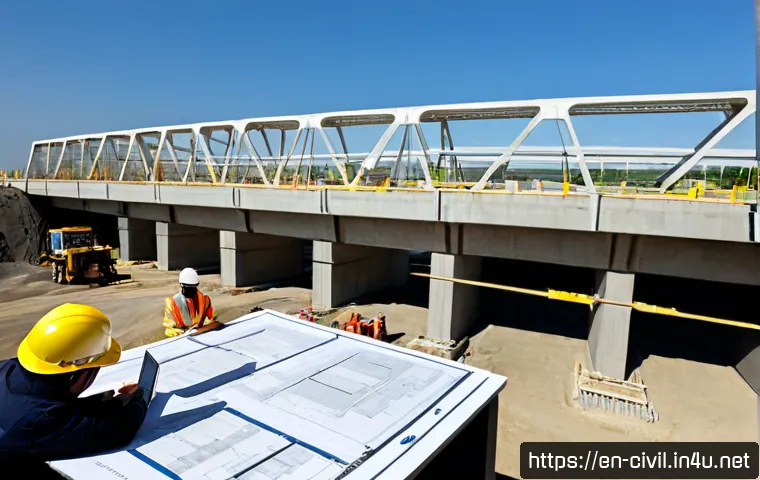
For example, a bridge model may be useful for visualization, but it does not automatically become an operational twin. It needs relevant data, an update process, and a decision path such as inspection planning, condition review, or maintenance prioritization.
The Minimum Components Needed for a Useful Implementation
A useful implementation needs more than software. Teams should define the asset scope, the decision workflow, the data sources, update frequency, access permissions, and model responsibility. If no one owns the updates or uses the output in daily work, even an advanced dashboard can become disconnected from operations.
Where Connected Asset Models Create the Most Value
Connected asset models are most useful where information is fragmented and decisions depend on seeing several sources together. The priority should be a specific operating need, not a broad promise to “digitize” an entire project or portfolio.
Design Coordination and Constructability Planning
BIM information can support design coordination by bringing disciplines, geometry, and asset details into a shared review process. GIS context can help teams understand how a proposed asset relates to land, utilities, and nearby infrastructure. A connected environment becomes more valuable when design changes must be tracked against responsibilities and downstream project decisions.
Construction Progress, Site Logistics, and Schedule Visibility
Construction teams may use connected project data to review site logistics, progress information, and schedule-related visibility. The key condition is that updates are reliable and linked to a workflow that project staff actually use. A polished visualization with irregular inputs can create false confidence rather than better control.
Bridge, Road, Utility, and Water Asset Operations
For long-life infrastructure, a digital twin can bring together asset records, location context, condition information, and maintenance workflows. Sensor data may support condition monitoring when it is relevant, reliable, and connected to a maintenance or operational decision process. Installing sensors without an agreed response process does not create value by itself.
Compare BIM-Only Workflows, Digital Twin Platforms, and Custom Builds
The right approach depends on the maturity of existing data and the scale of the required workflow. Start with the simplest option that can support the decision your team needs to make.
Data Integration, Visualization, Analytics, and Automation Differences
A BIM-only workflow may be appropriate when model coordination and asset information are the primary goals. A digital twin platform may be more appropriate when teams need BIM/GIS integration, controlled access, connected records, and repeatable operational views. A custom integration may suit organizations that must connect several internal systems, cloud data infrastructure, or specialized engineering workflows.
Do not treat visualization quality as the main selection criterion. Ask whether the platform can use available data in a controlled, interoperable way and whether staff can sustain its operating process.
Cost Drivers: Licenses, Cloud Hosting, Sensors, Integration, and Support
Initial cost can vary widely. Important drivers include asset scope, quality of existing BIM and GIS data, integration needs, cloud infrastructure, analytics requirements, sensor monitoring systems, and ongoing support. Vendor pricing, licensing terms, and timelines require a current proposal or product review; they should not be assumed from a general software comparison.
When an External Implementation Partner Is Worth Considering
An implementation consultant can be useful when responsibilities span engineering, GIS, IT, cloud services, asset management, and cybersecurity. External support is especially worth evaluating when the team lacks capacity to define data architecture, connect source systems, or establish governance. The engagement should still leave clear internal ownership rather than creating permanent dependence on an outside provider.
A Practical Implementation Process and Common Failure Points
A manageable pilot is usually more useful than a large model with no operating plan. Build around one question that can be answered with available and maintainable data.

Start With One Measurable Operational Question
Examples include: Which asset records are needed before a maintenance review? Which site information should be visible during coordination? Which current data supports a project decision? Establish a baseline and an adoption plan before claiming that the system will produce savings or performance improvements.
Audit Existing Drawings, Models, GIS Layers, and Asset Records
Review what exists before buying enterprise digital twin software. Check the accuracy, completeness, ownership, and update frequency of drawings, BIM models, GIS layers, survey information, sensor feeds, and asset-management records. Data that cannot be maintained should not be presented as current.
Avoid Disconnected Dashboards, Unreliable Data Feeds, and Unclear Ownership
Common failure points include dashboards that no team uses, unreliable data feeds, unclear permissions, and uncertainty about who updates the model. Set rules for data ownership, access permissions, update frequency, and model responsibility. Cybersecurity and access control should be reviewed alongside interoperability, not added after deployment.
Choosing the Right Approach for Different Civil Engineering Contexts
Students and Early-Career Engineers Building Relevant Skills
Students can build useful foundations by understanding BIM, GIS, asset information, data governance, and the difference between visualization and operational workflows. The most transferable skill is the ability to ask how information moves from field, design, or asset records into a decision process.
Contractors Managing Active Construction Projects
Contractors may prioritize coordination, site logistics, progress visibility, and access to current project information. Before selecting a construction digital twin platform, confirm how it handles model updates, permissions, field inputs, and connections to existing project systems.
Owners and Public Infrastructure Teams Managing Long-Life Assets
Owners managing roads, bridges, water networks, tunnels, or buildings should focus on lifecycle responsibility. A platform should support asset records, GIS context, maintenance workflows, and controlled updates over time. A highly detailed model has limited operational value if the organization cannot sustain its data and governance requirements.
Selection Criteria and Comparison Summary
Before choosing a platform, custom build, or implementation partner, check these decision points:
- Use case: What maintenance, safety, scheduling, coordination, or asset-management decision will this support?
- Data readiness: Are BIM, GIS, survey, sensor, and asset records accurate enough and maintainable?
- Interoperability: Can the solution connect to required models, GIS data, records, and cloud infrastructure?
- Governance: Who owns the data, approves updates, manages permissions, and remains responsible for the model?
- Long-term operating cost: What ongoing licenses, hosting, integration, sensor, support, and staffing needs should be reviewed?
Request a demo or implementation scope when the solution must connect multiple data sources, support active operational decisions, or serve several teams with different access needs. Review official product details and implementation conditions directly with the relevant provider before making a commitment.
Closing Thoughts
Digital twin technology can be useful in civil engineering, but it is not defined by a detailed 3D scene alone. The strongest projects connect relevant data to a real decision and assign responsibility for keeping that information useful. Start with a focused workflow, evaluate available data honestly, and expand only when the operating model is clear. In many cases, disciplined BIM and GIS practices are the right first step.
Useful Things to Know
BIM provides geometry and asset information. GIS provides location and surrounding context. Sensor data provides potential condition information, but only becomes useful when it is reliable and tied to an action. A digital twin brings selected information together over an asset or project lifecycle.
Important Considerations
No general comparison can determine the exact software, staffing, sensor setup, cloud services, budget, or implementation timeline for a specific organization. Confirm current vendor capabilities, licensing terms, integration options, cybersecurity requirements, data quality, and ongoing responsibilities through a detailed review. Measurable savings or operational outcomes should not be assumed without a baseline, use case, adoption plan, and maintenance process.
Frequently Asked Questions
Q1. Is a digital twin worth the cost for a small civil engineering project?
A1. It may be, but only if it supports a clear and recurring decision that cannot be handled effectively with a simpler BIM or GIS workflow. For a small project, compare the required data integration, operating effort, and long-term responsibility against the actual coordination or asset-management need.
Q2. What should a civil engineering team compare before choosing a digital twin platform?
A2. Compare the intended workflow, available BIM and GIS data, interoperability, update process, access permissions, cloud infrastructure, cybersecurity needs, internal skills, and ongoing operating costs. Also confirm the provider’s current integration capabilities and support scope.
Q3. Can BIM data be used to create a digital twin without installing sensors?
A3. Yes. BIM data can contribute geometry and asset information to a connected digital representation. Sensors are not required in every case, but the result still needs relevant updates and a defined decision workflow to function as an operational digital twin rather than a static model.